
Reviewed · PIAZZA ARMERINA VILLA ROMANA TOURS
Guided tour of Villa Romana del Casale with skip the line
The astonishing thing here is not one famous mosaic, but the sheer amount of Roman artwork spread through Villa Romana del Casale. In two hours, you move from thermal baths to hunting scenes, banquet rooms, public reception halls, and private apartments, with mosaics still sharp enough to show faces, clothing, animals, and daily life.
I like the included entrance ticket and the way the tour follows the villa’s story from public spaces to private rooms. I also like the guides’ focus on the pictures themselves: Stefania has explained the stories behind the mosaics with care, while Phillipa has been praised for keeping the group together and answering questions.
The main drawback is that the tour may be conducted in English and Italian at the same time. That can slow the commentary and make details harder to follow, especially if you want a quiet, highly focused English-language tour.
Key points to know before booking
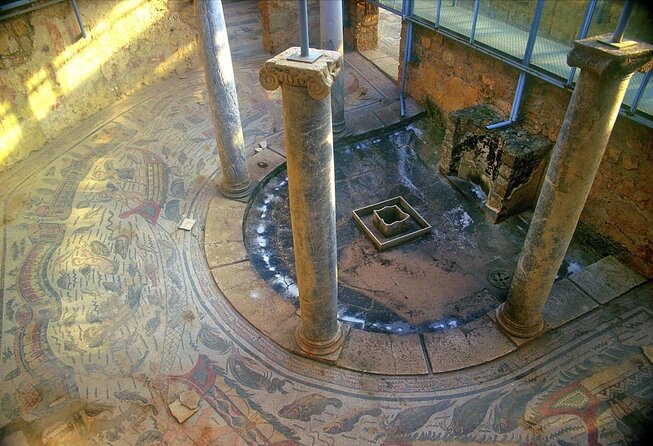
- The Great Hunt ambulatory: A long passage lined with scenes that present the Roman Empire almost like a giant map.
- Thermal baths first: See the calidariums and frigidarium before moving into the villa’s living and reception spaces.
- Two hours is a useful length: Long enough to cover the major rooms without turning the visit into an all-day commitment.
- Guides make the mosaics readable: Stefania and Phillipa have been singled out for clear explanations, patience, humor, and good English.
- Bilingual guiding is possible: English and Italian may be spoken together, so ask about the language arrangement if that matters to you.
- Skip-the-line convenience: The guide provides your entrance ticket at the meeting point, which keeps arrival simple.
Why Villa Romana del Casale is worth your time
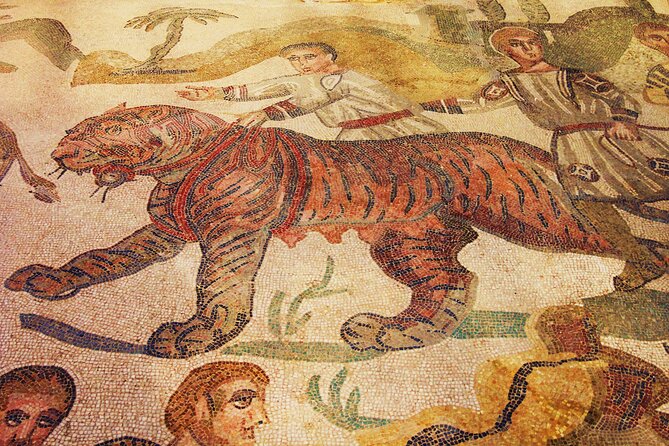
Villa Romana del Casale is one of Sicily’s most remarkable Roman sites because the decoration is not limited to a few surviving fragments. Floors and rooms are covered with mosaics that show sports, hunting, food, travel, animals, servants, and scenes from ordinary life.
You are not simply looking at a ruined wall and trying to imagine the building around it. The mosaic floors give you a strong sense of how the villa once worked, from the owner’s public reception area to the more private rooms used by the household.
The vivid scenes also make the history easier to grasp. You can follow people fishing, hunting, eating, and watching competitions. The pictures have a human scale, even when the villa itself feels enormous.
A guide adds useful context. Without help, it is easy to admire the colors and patterns while missing the point of a scene. A good guide can explain who is shown, what the activity means, and how each room fitted into Roman life.
More Villa Romana del Casale visits:
- From Palermo: Villa Romana and Valley of the Temples Trip
★ 4.6 · 294 reviews - From Catania: Agrigento and Piazza Armerina Full-Day Trip
★ 4.7 · 140 reviews - Valley of the Temples and Villa Romana del Casale Day Trip from Taormina
★ 4.0 · 137 reviews
Meeting the guide at 10 a.m.
The tour begins at 10 a.m. at Guide turistiche mosaici villa romana del casale, at Cda Casale in Piazza Armerina. The meeting point is near public transportation, and the guide gives you the entrance ticket directly when you meet.
That arrangement is helpful because you do not need to work out a separate ticket collection process. You should still arrive with enough time to find the meeting place, especially if you are unfamiliar with Piazza Armerina.
The tour ends back at the meeting point. Transportation to the site is not included, so you need to make your own way there.
The group can include up to 25 people. That is not a private visit, but it is still small enough for a guide to keep the group moving and handle questions. Phillipa, one of the guides praised in the feedback, was noted for keeping everyone together, which matters in a large archaeological complex.
Thermal baths: the tour begins with Roman comfort
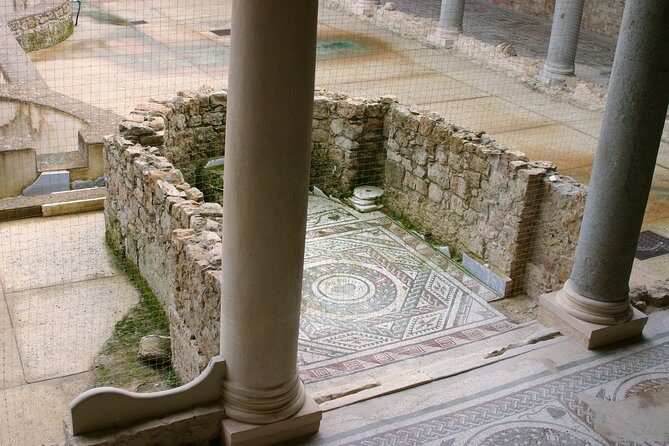
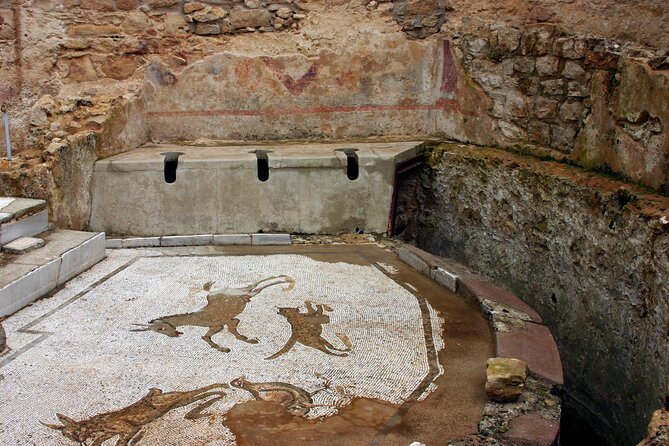
The first stop is the villa’s thermal bath area. This is a smart place to begin because Roman bathing was not a minor household detail. It was part of social life, daily routine, and the display of wealth.
You see the calidariums, the hot rooms where heat enveloped bathers. The tour also brings you to the frigidarium, the cold room, associated with the water of the Gela River.
The surviving rooms help you picture the practical side of Roman comfort. These spaces required engineering, labor, fuel, and water management. They also show that this was not a simple rural home. It was an elaborate residence designed for a powerful owner and a large household.
The mosaics in the baths add another layer. Instead of plain floors, you find decorative scenes underfoot. Your guide can help you connect the room’s function with its artwork, so the baths become more than a collection of beautifully preserved surfaces.
Mosaics that bring Roman life close
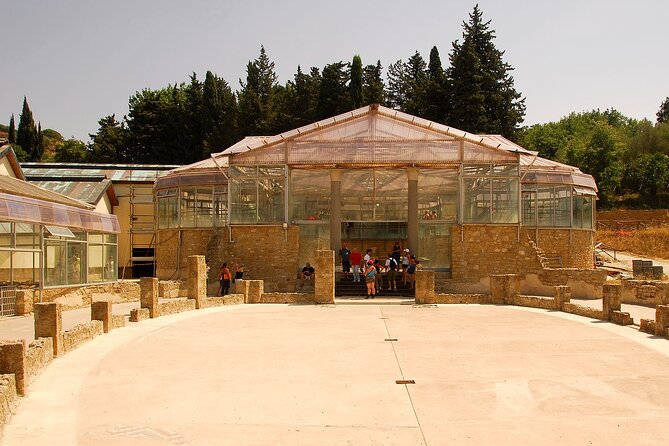
The villa’s mosaics are the main reason to come, and they are the main reason a guide is worthwhile. The scenes are full of movement and small details, from figures taking part in sports to animals used in hunting.
The artwork can make the villa’s past feel surprisingly close. You may find yourself looking at clothing, gestures, food, and household activity rather than only at grand imperial themes.
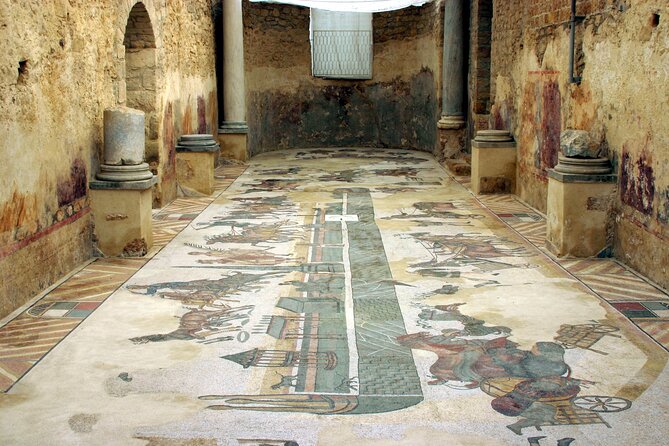
One scene leads toward the world of public entertainment, including quadriga competitions. A quadriga was a chariot pulled by four horses, and the decoration captures the excitement of the races. The pictures are so lively that it is easy to imagine the noise of the crowd and the pressure on the drivers.
A guide can point out details you would likely pass over. The most useful explanations are not long lectures about dates. They show you how to read the mosaic, where to look, and why a particular scene mattered to the people who commissioned it.
This is where Stefania received especially strong praise. Her explanations connected the mosaics with the stories they represented, making the artwork easier to understand without reducing it to a list of facts.
A few more Sicily days worth weighing up
- Taormina: Ancient Theater Skip-the-Line Ticket & Audio Guide
★ 4.5 · 1,701 reviews - Agrigento: Valley of the Temples Skip-the-Line Sunset Tour
★ 4.5 · 1,512 reviews - Agrigento: Valley of the Temples Tour Skip-the-Line Entry
★ 4.4 · 156 reviews - Agrigento: Skip-the-Line Valley of the Temples Night Tour
★ 4.8 · 72 reviews
The guest apartment and scenes of daily life
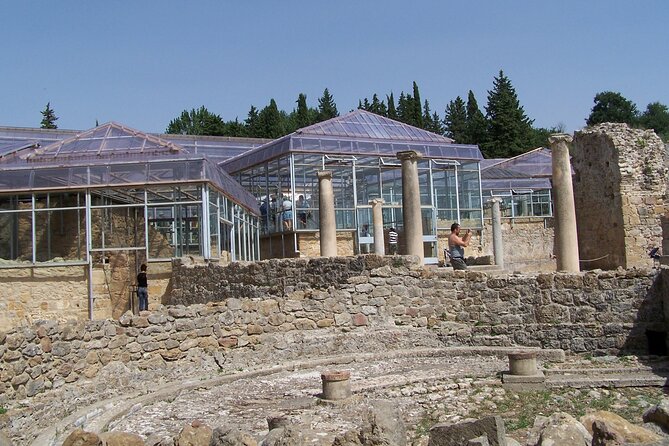
The guest apartment offers a change of mood from the baths and public entertainment. Here, the mosaics show fishing, hunting, banquets, and other pieces of daily life.
These scenes help you picture how visitors might have experienced the villa. The owner was not only maintaining a private home. He was receiving people, entertaining them, and displaying his wealth through architecture, food, artwork, and hospitality.
The guest rooms are also a good reminder that Roman luxury was practical as well as decorative. A mosaic could make a floor easier to maintain, but it also told visitors something about the owner’s interests and status.
I like this part of the route because it makes the villa feel lived in. The baths show comfort. The guest apartment shows social life. The pictures of meals, hunting, and fishing give you a look at the activities that filled elite Roman days.
The guide’s role is important here. The scenes can be visually busy, and a short explanation helps you separate the central action from the decorative details around it.
The public area and the Great Hunt
The public section is where the villa’s scale and ambition become clear. This was the area used by the owner to receive his clientes, people connected to him through Roman social and political relationships.
You then enter the Great Hunt ambulatory, one of the most memorable parts of the visit. This long passage is lined with hunting scenes and images that present the Roman Empire as a vast connected world.
Calling it a giant geographical map is useful, though you should not expect a modern map with neat borders and labels. Instead, the mosaic gives you a picture of places, animals, people, and the movement of goods and power across the empire.
The hunting scenes also reveal how Roman elites liked to present themselves. Hunting was not only about catching animals. It could signal courage, control, wealth, and access to faraway lands.
This passage is likely to be the point where you most appreciate having a guide. A local guide can direct your attention along the route and explain how the images fit together. Without guidance, you might see a long series of hunting pictures. With guidance, you can read the corridor as a statement about empire and status.
The ambulatory also helps you understand the owner’s public image. Someone entering the villa would have walked through this richly decorated space before reaching areas connected with the household. The artwork announced power before a word was spoken.
Private apartments of the domina and dominus
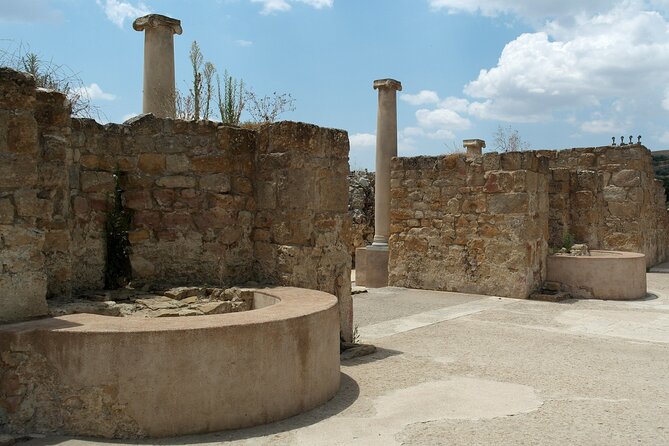
The tour ends in the private apartments of the domina and dominus, the female and male heads of the household. After the public reception rooms and the Great Hunt, these spaces offer a more personal view of the villa.
The shift from public to private is one of the strongest features of the route. You begin with facilities used by the household and visitors, move through rooms filled with social scenes, and finish where the owners lived.
The private apartments also help you consider how Roman homes were organized. The villa was not one giant open space. It had different zones for bathing, receiving people, entertaining, and domestic life.
You should not expect every room to survive in perfect condition. This remains an archaeological site, and some areas may feel more fragmentary than others. Still, the preservation and extent of the mosaics make the visit unusually rewarding.
One highly praised feature of the guiding is the willingness to answer questions. If you are curious about a figure, a room, or the meaning of a scene, use the opportunity. Two hours is enough time for questions, but it is not so long that the visit becomes tiring.
What the guides add to the visit
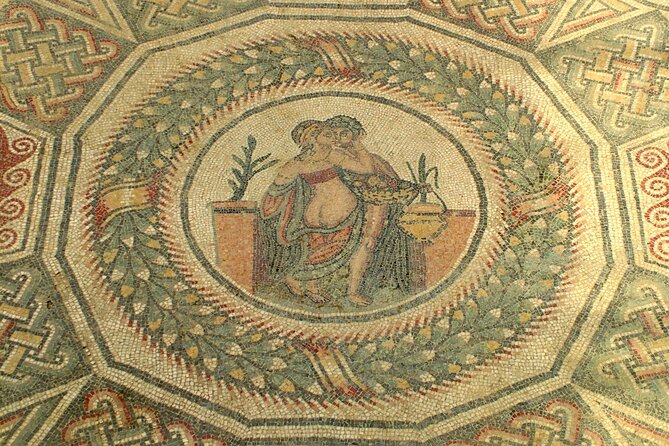
The strongest part of this experience is the human explanation. The artwork is impressive on its own, but a guide can turn a beautiful floor into a readable story.
Stefania has been praised for her clear account of the mosaics and the stories within them. Phillipa has been described as patient, informative, humorous, and good at keeping the group together. Another guide was noted for arriving on time and speaking English well.
That range of comments points to the qualities you should value here: clear English, good pacing, and an ability to explain without rushing. This is not a site where you need constant entertainment. You need someone who can help you notice the right things.
There is one language issue to keep in mind. The tour can be conducted simultaneously in Italian and English. The provider does state this clearly, but bilingual commentary can mean pauses, repeated explanations, or less time for each language.
If you are comfortable with both languages, this may not matter much. If you want detailed English commentary on every room, contact the provider before booking and confirm how the language arrangement will work on your date.
Is $45.38 good value for two hours?
At $45.38 per person, this is not the cheapest way to enter Villa Romana del Casale. The price includes both the entrance ticket and a guided visit lasting about two hours, so you are paying for interpretation as well as admission.
I think the value depends on how you like to visit archaeological sites. If you enjoy reading every sign and researching the villa before arrival, you could prefer a self-guided visit. If you want the major rooms explained in a logical order, the guided format earns its cost.
The skip-the-line feature also has practical value. It reduces the number of steps at arrival, since the guide provides the ticket at the meeting point. The available information does not promise a completely private entrance or a fixed waiting time, so I would treat this mainly as a convenience rather than a guarantee of walking straight in at every moment.
The two-hour length is another plus. You get a focused visit without committing to a much longer program. If Villa Romana del Casale is a major reason for your trip to Piazza Armerina, you may wish to spend extra time at the site before or after the formal tour, but the guided portion gives you a solid framework.
Who should book this tour?
I would choose this tour if you want the villa’s mosaics explained rather than simply photographed. It suits first-time visitors, people interested in Roman domestic life, and anyone who prefers a clear route through a large archaeological site.
It is also a good fit if you have limited time. The meeting is set for 10 a.m., the visit lasts about two hours, and the tour returns to the meeting point. You get the central experience without having to plan a complicated schedule.
Families and mixed-interest groups may also find the format useful. Hunting, racing, animals, bathing, and banquets give the guide plenty of concrete subjects to point out. The site can be much easier to appreciate when someone helps younger visitors look for action in the pictures.
I would think twice if you dislike group tours or need uninterrupted commentary in one language. The group can reach 25 people, and English and Italian may be combined. Animals are not allowed, so this is not a suitable choice if you need to bring a pet.
The listed rating is 3.3 from 11 ratings, which suggests some unevenness rather than a clear guarantee of a perfect visit. The strongest comments focus on the guides and the mosaics, while the clearest criticism concerns the bilingual format. That gives you a sensible way to judge the risk.
Practical details that matter
Confirmation arrives when you book. The tour accepts a mobile ticket, and the entrance ticket is handed to you by the guide at the meeting point.
Most people can participate, and the site is near public transportation. The supplied information does not give details about specific mobility routes or facilities, so you should ask the provider directly if you have access needs.
Free cancellation is available up to 24 hours before the start time. If you cancel later, or make changes within that period, the amount paid is not refunded.
The experience is provided by Empeeria. Since only the guide provides the ticket and begins the visit at the stated meeting point, double-check the location and start time before setting out.
Should you book it?
Book this tour if you want the mosaics to make sense, not just look beautiful. The thermal baths, guest apartment, Great Hunt ambulatory, and private rooms create a strong two-hour route, and the best guides add the context that turns decoration into Roman social history.
The price is fair for admission plus a guided explanation, especially if you are visiting Piazza Armerina for the villa and do not want to organize the site alone. Before booking, confirm the language arrangement if English-only commentary matters to you.
FAQ
How long does the guided tour last?
The tour lasts approximately two hours.
What time does the tour start?
The stated start time is 10 a.m.
Where does the tour meet?
It meets at Guide turistiche mosaici villa romana del casale, Cda Casale, 94015 Piazza Armerina EN, Italy.
Where does the tour end?
The activity ends back at the meeting point.
Is the entrance ticket included?
Yes. The entrance ticket to Villa Romana del Casale is included and is provided directly by the guide at the meeting point.
Can the tour be conducted in English?
Yes, but the tour may be conducted simultaneously in English and Italian.
How many people can join the tour?
The maximum group size is 25 people.
Can I cancel for a full refund?
Yes. You can cancel at least 24 hours before the experience start time for a full refund. Later cancellations and changes are not accepted for a refund.
Just added around Sicily
- Zafferana Etnea:Honey extraction workshop and honey tasting★ 4.7 · 3 reviews
- From Trapani: Favignana and Levanzo Yacht Tour with Stops★ 5.0 · 4 reviews
- Mt Etna: Winter Trekking Tour with Optional Catania Transfer★ 4.7 · 13 reviews
- Wine tour with wine tasting★ 4.7 · 18 reviews
- Sicilian Soul: Winery Tour, Wine & Food Tasting in Catania★ 5.0 · 4 reviews
- Wine tasting in Catania Historic center★ 4.4 · 15 reviews
- Valley Of The Temples By E-Bike With Picnic Included★ 4.7 · 7 reviews
- Valley of the Temples and Villa Romana Multi-Language Tour★ 4.8 · 5 reviews
Piazza Armerina Villa Romana Tours, compared.
Valley of the Temples and Villa Romana del Casale Day Trip from Taormina
Read our review →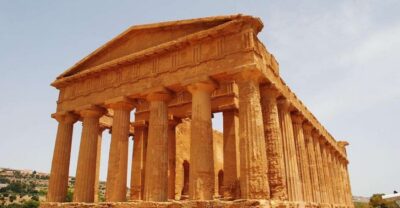
Valley of the Temples & Piazza Armerina with Snack
Read our review →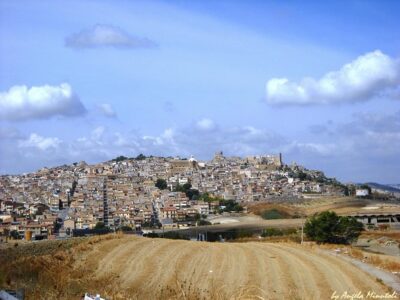
Agrigento Valley of the Temples and Villa Romana del Casale Tour from Palermo
Read our review →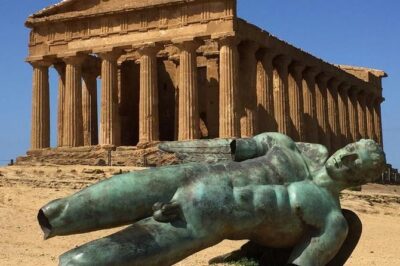
Agrigento and Piazza Armerina: Valley of the Temples and Villa Romana del Casale
Read our review →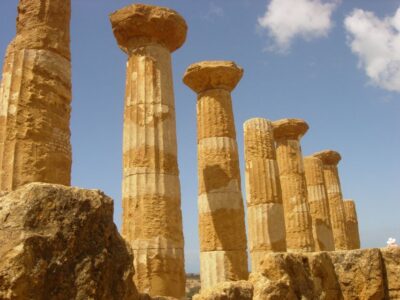
Browse the lists this tour appears in