
Reviewed · SHOW
Visit to the Museum and show of Sicilian puppets in Syracuse
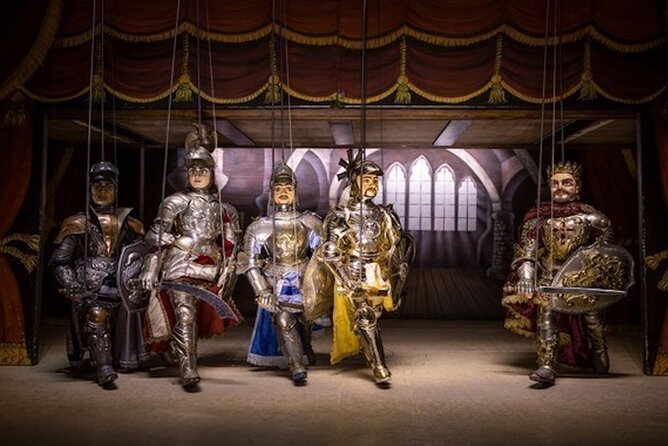
Syracuse’s Opera dei Pupi brings medieval tales to life with painted puppets, clashing swords, heroic knights, and elaborate costumes. The Vaccaro brothers, famous puppeteers in the city, guide you through the museum and let you try handling the puppets yourself. I like the hands-on lesson and the reserved seat for the final show. The costumes and marionettes are the real stars.
The main drawback is language. The performance is only in Italian, and the tour lasts about 1 hour and 10 minutes. You can still follow the broad action through movement and staging, but anyone hoping to understand every line of the chivalric poems should know some Italian.
Key points at a glance
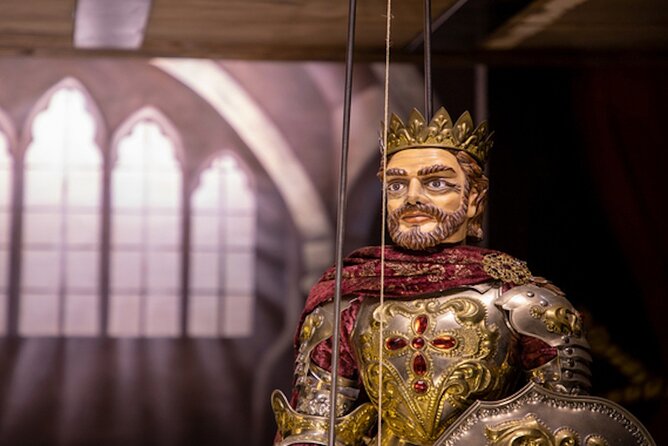
- See traditional Sicilian puppetry up close: The museum displays puppets, marionettes, props, and theater sets connected with this local art.
- Meet the Vaccaro brothers: The Syracuse puppeteers explain how the theater works and introduce you to the craft behind the performance.
- Try becoming a puppeteer: You get the unusual chance to maneuver the puppets and marionettes yourself.
- Watch an Italian-language show: The performance features brave paladins, damsels, sorcerers, monsters, and heroic deeds from Carolingian tales.
- Enjoy a reserved seat: Your admission includes the staged performance with a seat set aside for you.
- Keep the short format in mind: At roughly 70 minutes, this fits neatly into a day of sightseeing in Syracuse.
Why Sicilian puppets matter in Syracuse
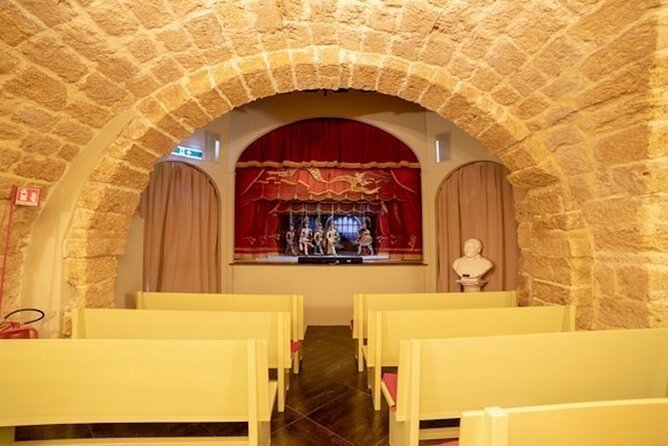
Sicilian puppet theater, known as Opera dei Pupi, is more than a children’s puppet show. It is a form of storytelling built around carved or crafted figures, painted scenery, costumes, music, dramatic movement, and old tales of honor and adventure.
The stories draw on medieval chivalric poems and novels from the Carolingian era. Expect brave knights, ladies in danger, sorcerers, monsters, tests of courage, and love threatened by powerful forces. The plots may feel grand and old-fashioned, but that is part of the pleasure. You are seeing a traditional stage form rather than a modern theater production dressed up as one.
I especially like that the experience explains the craft before asking you to watch the show. You do not simply sit in the audience and wonder how the puppeteers make the figures fight or move. You first see the objects, hear about the tradition, and get a chance to handle the puppets. That gives the performance more meaning.
The Sicilian puppet museum in Syracuse was founded in 2006 to help make this art better known. Its displays connect the puppets to the wider world of Sicilian craftsmanship, folklore, and performance. For you, that means the museum provides useful context without requiring a long museum visit.
More museums and sites in Sicily:
- Guided tour of the Trapani Salt Pans and Salt Museum
★ 4.7 · 423 reviews - Guided tour of the salt pans of Trapani and the Salt Museum
★ 5.0 · 188 reviews - Tile Museum – Majolica Museum – Rooms at the Genius
★ 5.0 · 85 reviews
Meeting the Vaccaro brothers at Via della Giudecca
The experience begins at Opera dei Pupi, at Via della Giudecca 22 in Syracuse. This is the starting point and the ending point, so you do not need to arrange a separate return transfer after the show.
The Vaccaro brothers lead the visit. Their role matters because the tour is not just a display of objects behind glass. They are puppeteers themselves, and the visit centers on how the figures are handled and how the scenes work.
You can expect the museum portion to focus on:
- Puppets and marionettes
- Props used in the theater
- Stage sets and scenery
- The craft and tradition of Sicilian puppet theater
- The connection between the figures and old chivalric stories
The museum is a good first stop because it lets you look closely at the figures before seeing them in motion. Details that might pass quickly during a performance become easier to notice. Costumes, painted surfaces, weapons, and the shapes of the puppets all make more sense once you have seen them at close range.
Arrive on time. One visitor arrived late and missed the museum portion, though the show was still available. That is a useful warning: the experience is short, and missing the opening section can mean losing a large part of what makes the visit different from a normal theater ticket.
The hands-on puppeteer session
The most unusual part of the visit is the chance to maneuver the puppets and marionettes. You are not simply told that puppetry requires skill. You get a brief sense of what it takes to control a figure and make it appear alive.
This is where the experience works well for families and curious adults. Children can see the figures as real objects rather than distant stage decorations. Adults get a quick lesson in the physical side of the art, which can be surprisingly demanding even before a story begins.
The handling session also helps explain why the puppets feel so expressive during the performance. A skilled puppeteer can make a figure turn, gesture, fight, or react with striking force. The effect comes from timing and control, not from electronics or digital effects.
Do not expect a full puppetry workshop lasting several hours. The entire activity is about 70 minutes, and the hands-on element forms one part of a larger visit that also includes the museum and performance. Think of it as a practical introduction that makes the final show easier to appreciate.
From museum objects to a living stage
After the guided museum visit and hands-on section, you take your reserved seat for the puppet show. The theater setting is described as splendid and traditional, with the action presented through puppets, scenery, and stage effects.
The stories come from the world of Carolingian romance. Knights defend their honor, couples face obstacles, and supernatural characters add danger and mystery. You may see battles with monstrous creatures, magic, heroic deeds, and efforts to protect love against impossible odds.
The show is performed in Italian. This is the most important point to consider before booking. If you understand Italian, the verses and dialogue will give the performance more depth. If you do not, you can still follow the broad drama through gestures, movement, costumes, and the clear visual contrast between heroes, villains, ladies, and strange creatures.
I would not choose this experience as your main theater event if you need English narration. I would choose it if you want to see a traditional Sicilian art form in its original language and are comfortable letting the action carry part of the story.
The puppets are designed to be seen from an audience, but the theater setting also makes them feel close and physical. Their costumes and movement give the performance much of its force. The show’s appeal comes from the combination of the figures and the people operating them. The puppeteers are not hidden from the craft itself, even if the story directs your attention to the stage.
A few more Sicily days worth weighing up
- Syracuse: Sicilian Puppet Show with visit behind the scenes
★ 4.8 · 49 reviews - Sicilian puppets in Syracuse: show with behind-the-scenes visit
★ 5.0 · 38 reviews - Syracuse: Museum Guided Tour with Sicilian Puppet show
★ 4.1 · 27 reviews - Dining Experience at a local’s Home in Campofelice di Roccella with Show Cooking
★ 5.0 · 5 reviews
Why the costumes and marionettes make the difference
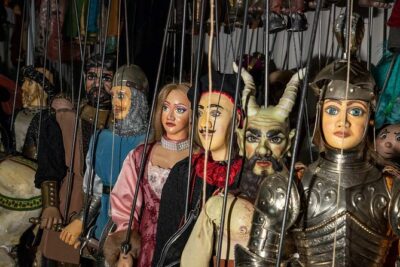
The strongest visual feature is the workmanship of the costumes and puppets. They are not generic toy figures. Each one helps identify a character and sets the tone for the story.
A knight needs to look like a knight. A sorcerer must feel different from a paladin. A monster must create a sense of danger. The costumes, shape, color, and movement do much of this work before any dialogue is understood.
The puppet figures are also expressive in a way that may surprise you. A short review of the experience praised the beautiful costumes, the impressive marionettes, and the way the figures seemed alive. That matches the central appeal here: the show depends on the puppeteers making carved and dressed figures seem to think, react, and fight.
If you enjoy traditional crafts, this may be more rewarding than a standard stage show. You can see how the objects are built, then watch the same type of object become a dramatic character. If you prefer polished modern theater, the style may feel unusual and deliberately old-fashioned.
How much time to allow in a Syracuse day
Plan on about 1 hour and 10 minutes for the activity. The compact timing makes it easy to pair with other sightseeing in Syracuse, especially if you want a cultural stop that does not take up half a day.
The activity begins and ends at the same address, which keeps the plan simple. The location is near public transportation, and the small maximum group size of 15 people should make the guided portion more manageable than a large coach excursion.
A mobile ticket is provided, and confirmation arrives at the time of booking. You should still give yourself enough time to find Via della Giudecca 22 and settle in before the start. Because the museum and performance are linked, late arrival can affect the first part even if you can still enter for the show.
The tour is intended for most visitors, and no special physical requirement is listed. One unusual note says it is not recommended for people who particularly suffer from the sea. Since this is a puppet theater experience in Syracuse, you should clarify that point with the operator if it concerns you before booking.
Is the $18.52 price fair?
At about $18.52 per person, the price is reasonable if you value both the museum visit and the performance. You are paying for a guided introduction, access to the collection when that option is selected, the hands-on puppetry element, and a reserved seat for the show.
A theater ticket alone might be cheaper in some places, but that would not give you the same look at the puppets, props, sets, and working methods. Here, the museum and handling session add useful context to the performance.
The value depends on your interest. If you only want a fast, English-language explanation of Syracuse, this is not the right choice. If you like traditional arts, old stories, small theaters, and unusual local experiences, the price buys more than a short show.
The museum admission is included only if you purchase the specific option that includes the guided museum tour. Check the option carefully when booking. The show with a reserved seat is included, but the museum component should not be assumed unless it is part of the selection you make.
Who will enjoy this most?
I would recommend this for families, culture-minded visitors, and anyone who wants a distinctly Sicilian activity rather than another general sightseeing stop. The chance to handle the puppets gives children something active to do, while the stories and craftsmanship give adults plenty to notice.
It also suits visitors who enjoy theater but do not need every line translated. You can follow a great deal through the costumes, action, character types, and dramatic staging. The more Italian you understand, the more you will get from the poems and dialogue.
This is less suitable for someone who strongly prefers museums with extensive written interpretation or performances in English. The museum visit is part of a short theater experience, not a large collection that will occupy an entire afternoon.
The small group limit of 15 people is another plus for anyone who prefers a quieter cultural visit. You get a more direct introduction to the puppetry than you would from simply taking a seat in a crowded theater.
Booking, cancellation, and practical choices
The experience is often booked about 30 days in advance, so I would not leave it until the last minute if the date matters to you. Confirmation is provided at booking, and the mobile ticket makes entry straightforward.
Free cancellation is available if you cancel at least 24 hours before the scheduled start time. Cancellations or changes made within 24 hours are not accepted for a refund. Use the local Syracuse time when judging the deadline.
The show is available only in Italian. That fact should guide your decision more than the low price or short duration. If you want a visual introduction to Sicilian puppet theater, the language barrier may be manageable. If you want a fully narrated cultural lesson in English, choose another activity.
Should you book the Syracuse puppet museum and show?
Book it if you want a short, local, hands-on cultural experience with real character. The Vaccaro brothers’ introduction, the chance to control the puppets, the museum displays, and the reserved-seat performance make this more engaging than simply watching a puppet show from the back of a theater.
The strongest reasons to go are the craftsmanship and the old-fashioned drama. The costumes and marionettes can carry the show even if you do not understand Italian, and the small setting should keep the experience personal.
Skip it if Italian-language theater will frustrate you, if you need a long museum visit, or if you are likely to arrive late and miss the guided section. For everyone else, this is a well-priced way to see a living piece of Sicilian performance culture in Syracuse.
FAQ
Where does the puppet museum and show begin?
The activity begins at Opera dei Pupi, Via della Giudecca 22, 96100 Siracusa SR, Italy.
Where does the activity end?
It ends back at the meeting point on Via della Giudecca.
How long does the experience last?
The activity lasts approximately 1 hour and 10 minutes.
Is the show performed in English?
No. The show is available only in Italian.
Is the museum tour included?
Admission and a guided museum tour are included if you purchase the specific option that includes the museum. Check the selected option when booking.
Can I cancel for a full refund?
Yes, if you cancel at least 24 hours before the experience start time. Cancellations or changes made less than 24 hours in advance are not accepted for a refund.
Just added around Sicily
- Zafferana Etnea:Honey extraction workshop and honey tasting★ 4.7 · 3 reviews
- From Trapani: Favignana and Levanzo Yacht Tour with Stops★ 5.0 · 4 reviews
- Mt Etna: Winter Trekking Tour with Optional Catania Transfer★ 4.7 · 13 reviews
- Wine tour with wine tasting★ 4.7 · 18 reviews
- Sicilian Soul: Winery Tour, Wine & Food Tasting in Catania★ 5.0 · 4 reviews
- Wine tasting in Catania Historic center★ 4.4 · 15 reviews
- Valley Of The Temples By E-Bike With Picnic Included★ 4.7 · 7 reviews
- Valley of the Temples and Villa Romana Multi-Language Tour★ 4.8 · 5 reviews
Show, compared.
Sicilian puppets in Syracuse: show with behind-the-scenes visit
Read our review →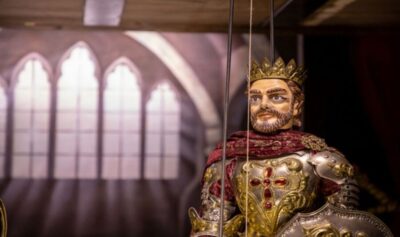
Dining Experience at a local’s Home in Campofelice di Roccella with Show Cooking
Read our review →
Dining Experience at a local’s Home in Bagheria with Show Cooking
Read our review →Browse the lists this tour appears in