
Reviewed · VALLEY OF THE TEMPLES TOURS
Agrigento: Valley of the Temples Ticket & App Audioguide
Agrigento’s Valley of the Temples is one of Sicily’s great outdoor sights: ancient Doric temples set along a long ridge above the modern city and sea. I like the single-day freedom to explore at your own pace, and I like that the ticket includes the Temple of Concordia, Temple of Heracles, aqueducts, and gymnasium area rather than limiting you to one monument.
The $19 price is reasonable if the entrance queue is long, but less compelling when the site is quiet or when reduced-price tickets apply. Also, the app audioguide can be hit or miss, and exchanging the voucher for a paper ticket may still involve a short wait.
Key points to know before you go
- Start at the Temple of Juno ticket office: This is the only place where you can exchange your voucher for entry.
- Expect a long, mostly open-air walk: The ruins stretch across a large archaeological area, with limited shade and some heat in summer.
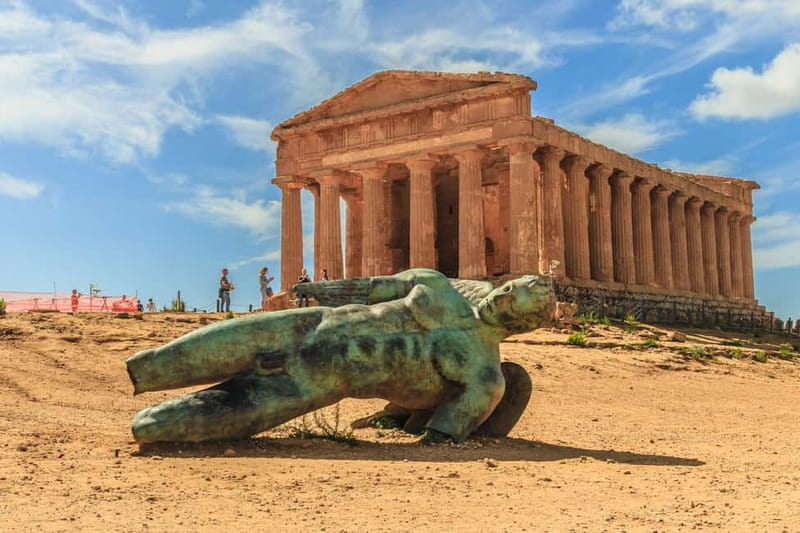
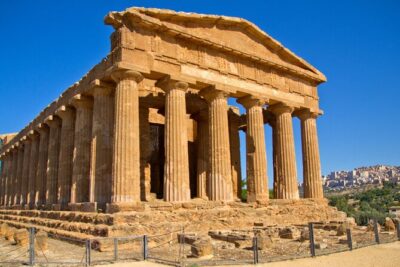
- The Temple of Concordia is the visual star: Its remarkably complete Doric form is the site’s most memorable stop.
- The audioguide is not a live tour: You explore independently, and some visitors found the app less useful than the paid guide available at the entrance.
- Plan your timing carefully: Early morning or late afternoon is more comfortable, while sunset can bring beautiful light and illuminated temples.
- Your ticket is for one entry: Once you leave, you cannot use the same ticket to return.
Why the Valley of the Temples deserves your time
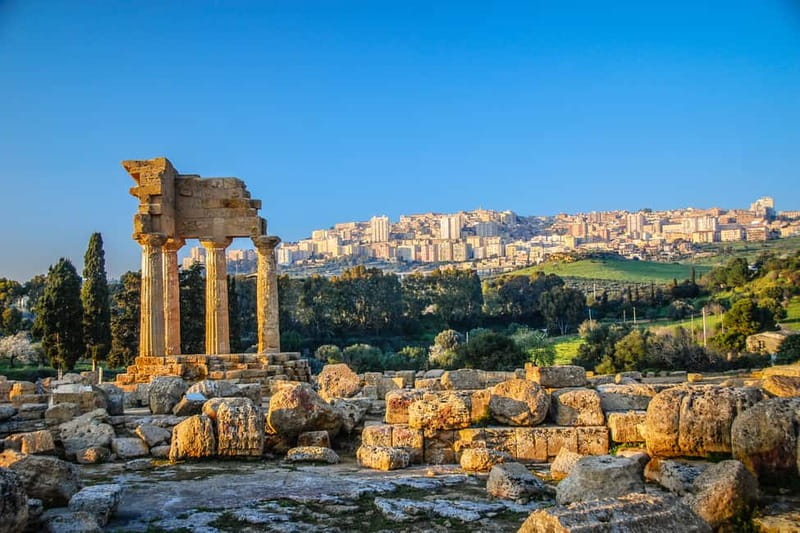
The name can mislead you. This is not a compact cluster of ruins that you can see in half an hour. The archaeological area covers about 1,300 hectares, although the main visitor route is a manageable section of that larger site.
You walk through the remains of Akragas, an ancient Greek colony founded in the 6th century BC. In its day, Akragas was one of the largest Greek cities on the Mediterranean. The temples were tied to public life, religion, education, sport, and power, so the visit offers more than a string of photogenic columns.
I like the way the site makes you work a little for its best views. You pass broken walls, aqueducts, terraces, and scattered stone before the major temples come into sight. That gradual reveal helps you understand the scale of the ancient city.
The setting adds much to the experience. From the ridge, you can look toward Agrigento, the surrounding countryside, and the sea. The scenery is open and bright, with little shade in several sections. Bring water, especially between late spring and early autumn.
More ways to see the Valley of the Temples:
- Agrigento: Valley of the Temples Skip-the-Line Sunset Tour
★ 4.5 · 1,512 reviews - Agrigento: Valley of the Temples E-Scooter Tour
★ 4.6 · 557 reviews - Palermo: Valley of the Temples and Scala dei Turchi Day Trip
★ 4.1 · 380 reviews
Starting at the Temple of Juno entrance
Your practical challenge comes before the ruins. The voucher must be exchanged at the Temple of Giunone ticket office near the Temple of Juno on Via Panoramica Valle dei Templi. This is the only entrance where the voucher can be converted into the actual entry ticket.
That detail matters. Do not assume you can use the QR code at any gate. Go directly to the Temple of Juno office, allow time for a security check, and keep your voucher ready on your phone.
The phrase skip the line needs a little context. The ticket can save time when the regular entrance queue is long, but it may not mean walking straight through the gate. You may still wait to exchange the QR code for a paper ticket. Some people also waited again to collect an audioguide.
When the park is busy, that shorter exchange line can still be useful. During quieter periods, you might find little or no queue at the ticket office, which makes the advantage much smaller. This is one of the main points to weigh before paying the online price.
The site is wheelchair accessible, and a security check is required before entry. If you select a reduced-price ticket, bring valid identification. Your ticket allows only one entry, so finish any visit to the ticket office and facilities before going through the gate.
Temple of Juno and the first stretch of the route
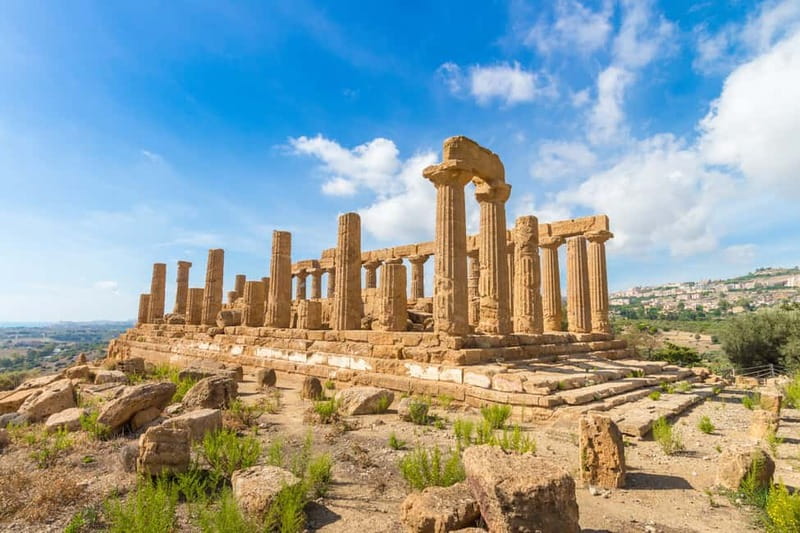
The Temple of Juno is a fitting place to begin. You are already near one of the best-known monuments, and the elevated position gives you an immediate sense of the site’s size.
From here, the route continues through the main archaeological zone. The walk is not described as strenuous, but it is long enough to affect your day, particularly in strong sun. Wear comfortable shoes and carry water. Some drinking fountains have been available, though not all have worked consistently.
The open setting is part of the appeal. Instead of viewing the temples in a crowded urban square, you see them separated by grass, stone, and broad Sicilian views. It feels less like checking off isolated ruins and more like walking through the remains of a whole ancient town.
If you arrive in the afternoon, heat can become the main obstacle. Early morning is a sensible choice for cooler conditions. Late afternoon offers softer light, and an evening visit can be especially attractive when the temples are illuminated.
Temple of Concordia, the site’s finest monument
The Temple of Concordia is the main reason many people remember this visit. Its Doric columns and broad, balanced form remain unusually complete, giving you a clearer idea of what a Greek temple looked like than most ruins can manage.
You do not need an elaborate tour to appreciate it, but some explanation helps. The audioguide is meant to provide that context while you walk, though the quality of the app experience has varied. Some people found it helpful enough for a self-guided visit, while others considered it weak and preferred the separate €5 audio option available on site.
That makes the audioguide a key value question. If you enjoy reading signs and moving independently, the admission ticket may be enough. If you want detailed explanations for every building, you should be prepared for the app to feel limited. There is no live guide included with this activity.
I like the freedom of not being tied to a group schedule here. You can stop for photographs, study the columns, or simply sit and take in the view. The tradeoff is that you must supply your own structure and patience. Signage has been described as useful in places but not always extensive.
A few more Agrigento days worth weighing up
- Agrigento: Valley of the Temples Entry Ticket & Audio Guide
★ 4.1 · 268 reviews - Agrigento – Valley of the Temples – audio guide
★ 3.9 · 43 reviews - Agrigento: Valley of the Temples Entry Ticket & Audio Guide
★ 3.0 · 40 reviews - Taormina: Ancient Theater Skip-the-Line Ticket & Audio Guide
★ 4.5 · 1,701 reviews
Temple of Heracles and the older ruins
The Temple of Heracles, also called the Temple of Heracles or Eracle, gives you a more broken and rugged contrast to Concordia. Its surviving columns and fallen stones show how much time and damage separate the ancient city from the well-preserved temple nearby.
This is where the scale of the site becomes clearer. You are not looking at one restored building. You are moving through layers of construction, collapse, and later use. The remains can seem confusing without a map, so use the site plan and keep checking your position.
The route also includes the Temple of Zeus. Its ruins are less visually complete, but the monument helps explain the ambition of Akragas. Large fragments and fallen architectural pieces suggest a building designed to project power on a grand scale.
Do not expect every stop to produce a perfect postcard image. Some sections are a collection of foundations and blocks. Their value lies in connecting the temples to the wider city, not in polished presentation at every turn.
Aqueducts, terraces, and the ancient public center
The terraced levels show how the area once functioned as a center of public life for the Greco-Roman city. You see more than religious buildings. Aqueducts and other remains point to the practical systems needed to support a large population.
I find these quieter details useful because they prevent the visit from becoming a simple temple checklist. The columns attract attention, but the water systems, terraces, and city planning reveal how people lived around them.
The open route also gives you good chances to pause without blocking a narrow indoor passage. Still, shade is limited, and there are stretches where you may feel exposed to the sun. A morning or evening visit is much easier than the hottest part of the day.
Families should plan their energy. The route is manageable, but younger children may tire before the final monuments. A café halfway down the valley can provide a useful break, according to the practical experience of people who have made the walk with children.
The gymnasium and what remains beyond the temples
The gymnasium is an important part of the visit because it broadens your picture of Greek city life. This was a place linked to athletics, education, and recreation, not just religious ceremony.
The remains may not have the instant impact of the Temple of Concordia, but they give the itinerary a more rounded shape. You see evidence of the civic and educational world that surrounded the temples.
The site includes many kinds of remains, and that variety rewards a slower visit. If you rush from one famous temple to the next, you may miss the smaller clues that explain how Akragas worked. Give yourself time to read the signs, check the map, and look beyond the largest columns.
Is the app audioguide worth using?
The included digital audioguide sounds convenient, and it can be useful if you want basic orientation while walking. You can explore without waiting for a live guide, and the self-guided format lets you choose how much time to spend at each monument.
But I would not buy this ticket solely for the audioguide. The app has not worked equally well for everyone. One practical problem involved only one person in a group being able to scan the QR code, which led to an extra purchase of the audio service at the ticket office.
The separate on-site audio option has also been judged more useful by some people. That does not mean the included app will fail for you, only that you should treat it as a bonus rather than the main reason to book.
You can have a good visit without audio if you use the maps and information panels. For a deeper explanation of ancient Greek architecture and Akragas, a live guide would be stronger, but none is included here.
Pemcards and the I Tesori d’Italia exhibition
The ticket includes access to the I Tesori d’Italia exhibition through December 31, 2025. This gives you an indoor cultural stop to add to the open-air ruins, although the main reason to come remains the archaeological site itself.
You also receive the option to turn a digital visit photo into a real postcard through Pemcards. It is a charming idea, particularly if you enjoy sending physical souvenirs rather than keeping every photograph on your phone.
The practical weakness is finding the Pemcards stand. It has not always been easy to locate, and staff may not be able to point you to it immediately. If this feature matters to you, ask about it as soon as you arrive rather than waiting until the end.
Choosing the best time of day
Time of day can shape this visit more than the audioguide. Midday offers bright views but little relief from the sun. Several parts of the park have limited shade, and a long walk in the afternoon heat can make the later temples feel like work.
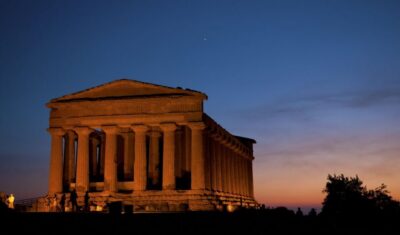
Early morning is the safest choice for cooler conditions and a calmer start. Late afternoon is also attractive, particularly if you can stay through sunset. The light changes across the stone, and the illuminated temples after dark can be striking.
A 6 pm visit has been especially rewarding for people who wanted to see the ruins in daylight, then watch the shift toward evening. Check the available starting times and sunset conditions for your date before choosing.
Do not treat the one-day validity as a demand to stay all day. It simply gives you flexibility on the chosen date. Your actual visit may take a few hours, depending on your pace, stops, photographs, and interest in the exhibition.
Getting there and planning your route
Transportation is not included. You need to arrange your own way to the Valley of the Temples and reach the Temple of Juno ticket office for the voucher exchange.
If you arrive by train in Agrigento, a taxi to the site has been priced by visitors at roughly €10 to €15. If you drive, parking is available near the entrances, and the site can work well as a day trip from Agrigento’s older section or from farther away in Sicily.
The entrance arrangement makes route planning important. Since you must begin at the Temple of Juno office, do not choose a different gate simply because it appears closer on a map.
Some people use a shuttle or taxi service to reduce the walking, with a reported shuttle price of about €3 each way. The supplied activity does not include transportation, so confirm the current service and price locally. The main walk is not especially strenuous, but it can be tiring in heat or for anyone with limited mobility.
What the $19 price really buys you
At $19 per person, you are paying for the entry ticket, the digital audioguide, access to the exhibition through the stated date, and the convenience of booking ahead. Free cancellation up to 24 hours before the activity and the option to reserve now and pay later add flexibility.
The value depends heavily on crowd levels. If the entrance is busy, saving time can justify the extra cost. If there is no queue, a standard ticket bought on site may be cheaper and just as useful, especially if you do not care about the app.
Some reduced-price categories may also change the calculation. Bring identification if you qualify, and check the current official admission options before booking. A child or accessible admission may not require the same paid ticket, so do not automatically buy one for every member of your group.
I would choose this option when I want a confirmed ticket before arriving, expect a busy day, or value flexible cancellation. I would think twice during a quiet season, when the regular entrance is easy and the standard admission is notably less expensive.
Who should book this experience?
This works best for independent visitors who want to set their own pace and do not need a live guide. It also suits photographers, history fans, and anyone who prefers to pause often rather than keep up with a group.
It is a good fit for a first visit to Sicily because the site delivers several major experiences in one stop: Greek temples, Roman-era remains, open views, and a long walk through an ancient city. It also works for a return visit, especially at sunset, when the site feels different from a daytime tour.
You may want another option if you need detailed personal explanation at every monument, dislike app-based audio, or are looking for a fully organized excursion with transportation. The ticket does not include a vehicle, a live guide, or a guaranteed walk straight through the entrance.
Should you book the Valley of the Temples ticket?
Book it if you want the freedom of a self-guided visit and expect lines at the entrance. The temples are genuinely impressive, the setting is beautiful, and the route gives you much more than a single photo stop.
Before paying, compare the $19 cost with the current standard and reduced-price admission. If the site is quiet and you are comfortable buying at the gate, the online ticket may not save much. If you visit in peak season, arrive near sunset, or want the convenience of a prepaid reservation, it becomes easier to justify.
Bring water, wear shoes made for walking, and start at the Temple of Juno office. For the best balance of cooler weather and memorable light, choose early morning or late afternoon.
FAQ
Where do I exchange the voucher?
Exchange your voucher at the Temple of Giunone ticket office near the Temple of Juno on Via Panoramica Valle dei Templi. This is the only entrance where the voucher can be exchanged.
Is a live guide included?
No. The activity includes a digital audioguide, but not a live guide.
How long is the ticket valid?
The ticket is valid for one day, based on the selected availability. It allows a single entry into the Valley of the Temples.
Is transportation included?
No. Transportation to and from the archaeological site is not included.
Is the site wheelchair accessible?
Yes, the activity is listed as wheelchair accessible. A security check is required before entry.
What should I bring for a reduced-price ticket?
Bring a valid ID if you selected a reduced-price ticket.
Just added around Agrigento
- Valley Of The Temples By E-Bike With Picnic Included★ 4.7 · 7 reviews
- Valley of the Temples: Kolymbethra Garden Entry Ticket★ 3.5 · 43 reviews
- Agrigento Valley of the Temples Archaeological Area★ 4.0 · 33 reviews
- Private tour from Palermo to Agrigento and Piazza Armerina★ 4.0 · 4 reviews
- Private transport from Agrigento / Licata to Piazza Armerina / Caltagirone★ 5.0 · 5 reviews
- Private transportation to the Valley of the Temples + Agrigento★ 5.0 · 8 reviews
- Full Day Pass to Cala Manbrù Beach Club★ 4.5 · 8 reviews
- SUP Paddleboard Tour : From Cala Manbrù to Torre Salsa Reserve★ 5.0 · 7 reviews
Valley of the Temples Tours, compared.
Valley of the Temples Skip-the-Line Sunset Tour
Read our review →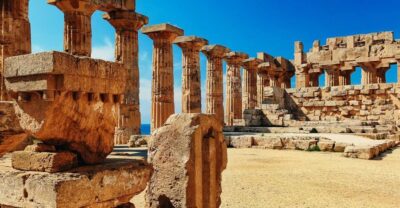
Agrigento and the Valley of the Temples Day Tour
Read our review →

Valley of the Temples and Scala dei Turchi Day Trip
Read our review →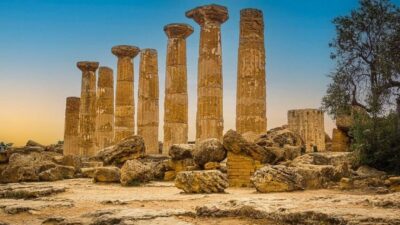
Valley of the Temples and Turkish Steps with Snack
Read our review →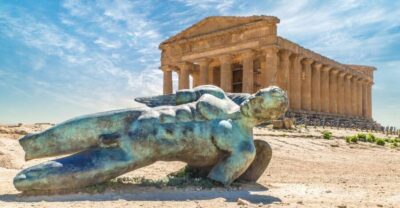
Valle dei Templi Fast-Track Ticket & Smart Guide
Read our review →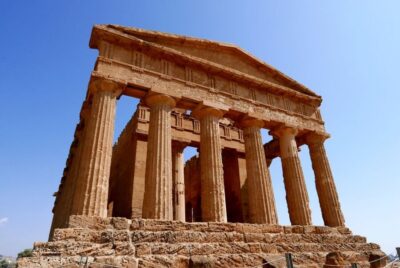
Valley of the Temples Entry Ticket & Audio Guide
Read our review →Browse the lists this tour appears in