
Reviewed · FARMS
Slowlife Family Farm: From Garden to Table
At Slowlife Family Farm, lunch begins long before anyone sits down. You walk through an organic garden, gather vegetables and wild edible plants, learn how wheat becomes pasta, and eat food prepared from the ground up. The farm also holds ancient Greek and Roman remains beside a river canyon.
I like the garden-to-table work because you are not simply watching a cooking demonstration. I also like the mix of food, archaeology, and nature, especially the chance to see the old water mill and rare crops such as the Giant Onion of Giarratana. The main consideration is access: uneven outdoor ground and walking make this a poor fit for anyone with mobility impairments.
Key points at a glance
- A working 16-year off-grid farm: Learn how a family applies slow-food ideas to gardening, cooking, and daily life.
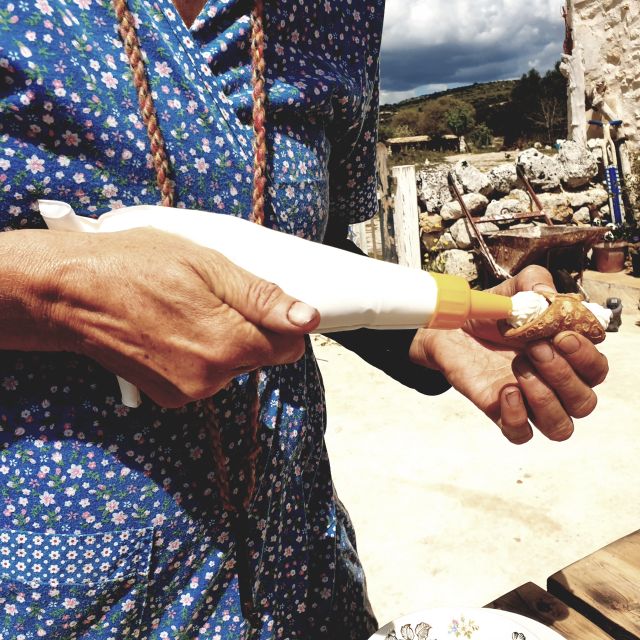
- Wheat becomes pasta: Use modern tools to follow the process from milling flour to making pasta.
- Ancient site on the property: See altars linked to Greek and Roman use of the farm over 2,500 years ago.
- Rare Sicilian vegetables: Look for protected local varieties, including the giant Giarratana onion when it is in season.
- Food and drink are part of the lesson: Gather ingredients, prepare lunch, and taste local olive oil and wine.
- Small group, flexible timing: The group is limited to 10 people, with English and Italian guiding.
A farm where lunch starts in the soil
Slowlife Family Farm sits near Syracuse in a river canyon, not in the middle of the city. That setting changes the tone of the outing. You are not being hurried from one indoor station to another. Instead, the four-hour visit connects food with the soil, water, history, and people who care for the place.
The farm has followed an off-grid, slow-food way of life for 16 years. Its owners protect local vegetable varieties and support nearby wheat, olive oil, and wine producers. This matters if you want more than a standard pasta lesson. The ingredients are tied to Sicily and to the work of a particular family farm.
Jess and Carlo host the visit, and their enthusiasm for the project is part of what gives the day its personal feel. You can expect an introduction to the farm’s methods, a walk through its organic garden, and plenty of explanation about why local varieties are worth saving.
The pace is likely to suit you if you prefer conversation and hands-on work to a polished show. It may feel less suitable if you want a tightly scripted tour with constant activity. The farm is a living place, not a restaurant kitchen built only for demonstrations.
More farm and pistachio visits near Syracuse:
- Catania: Pistachio Ravioli, Pasta Home Cooking Class w/ Wine
★ 4.7 · 204 reviews - Alcamo Farm Animals and Aromatic Garden
★ 4.0 · 45 reviews - Catania: Pozzo di Gaspare Farm Guided Tour with Tastings
★ 5.0 · 34 reviews
The organic garden and Sicily’s rare vegetables
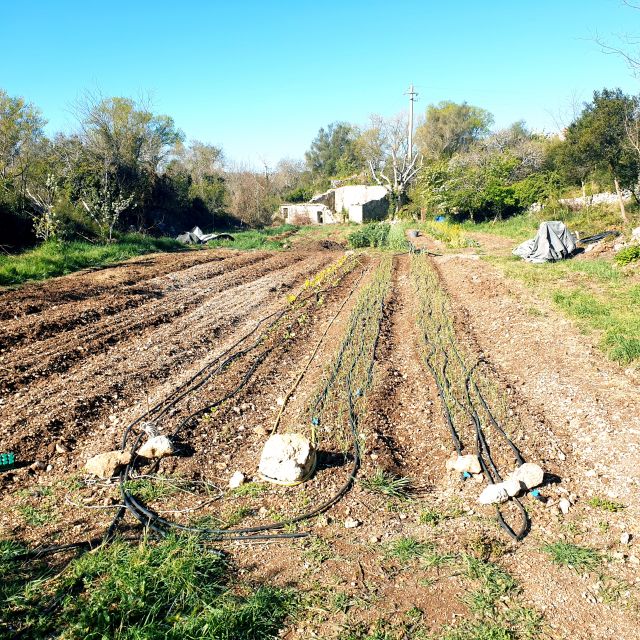
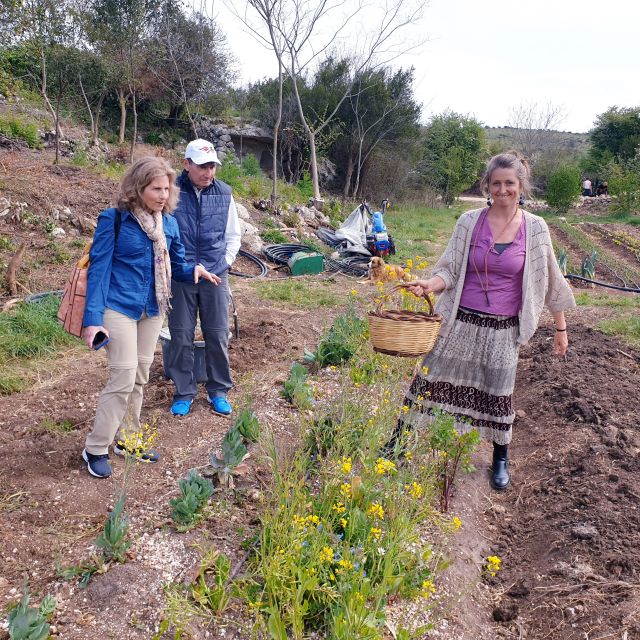
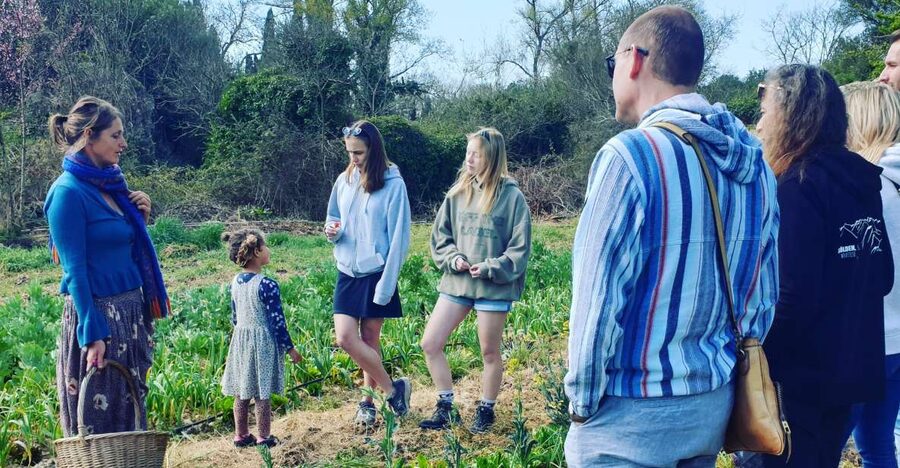
The garden is the heart of the visit. You learn how the farm grows its produce and how it researches vegetables protected by the Slow Food movement. These are not just decorative plants for a tour. They are part of an effort to keep older Sicilian varieties in use.
One special example is the Giant Onion of Giarratana. This local onion can grow to more than two kilograms and is traditionally baked over an open fire. The onion may not be available during every visit, so do not book expecting to taste it specifically. If it is in season, however, it gives you a memorable example of how a single local crop can carry both culinary and cultural value.
You also gather vegetables from the garden for the meal. The exact selection depends on the season, which is one of the strengths of the format. You are eating what the farm can provide at that time, rather than being promised the same menu year-round.
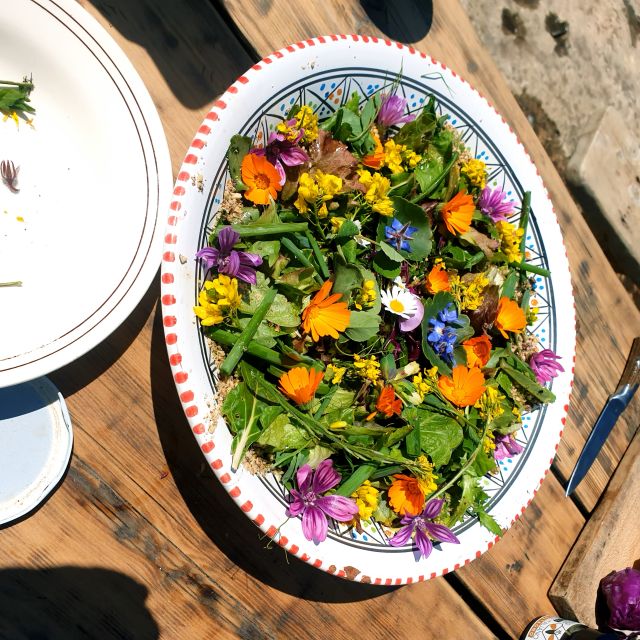
A nature guide helps you recognize edible wild plants. This is useful because gathering wild ingredients requires care, not guesswork. You get an introduction to the plants used in the Sicilian lunch, while the guide helps separate safe edible species from plants that should be left alone.
I would bring water, a sun hat, and comfortable shoes. The garden and outdoor areas are central to the visit, and this is not the place for delicate footwear or a midday stroll without sun protection.
From milling wheat to making pasta
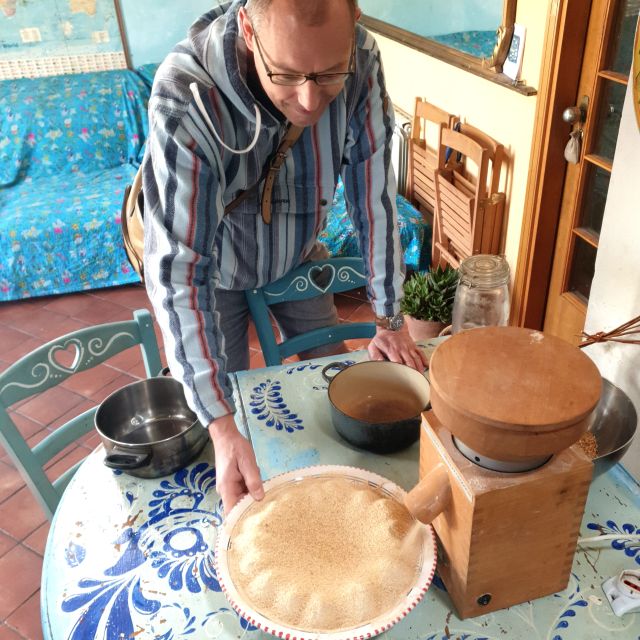
The cooking class follows the ingredients from their starting point. You use the farm’s modern tools to learn how wheat is milled and then turn the resulting flour into pasta. That sequence gives the lesson more substance than a quick demonstration of rolling dough.
You can expect to take part in the preparation rather than simply watch someone cook. The process shows how much work sits behind a familiar bowl of pasta. Milling, mixing, shaping, and cooking become connected steps instead of separate ideas.
The class is also a good match for families and curious cooks because it explains technique through action. You do not need to be an expert. The emphasis is on participating and understanding the process.
The meal is prepared together using the vegetables and wild plants gathered during the visit. This creates a clear link between the garden walk and the table. You know where the ingredients came from and have helped prepare them.
The provided details do not promise a fixed pasta shape, recipe, or menu. That is worth keeping in mind when comparing this outing with a formal cooking school. The strength here is the complete farm process, from wheat and vegetables to a shared Sicilian lunch, rather than a guaranteed list of dishes.
Ancient altars beside the river canyon
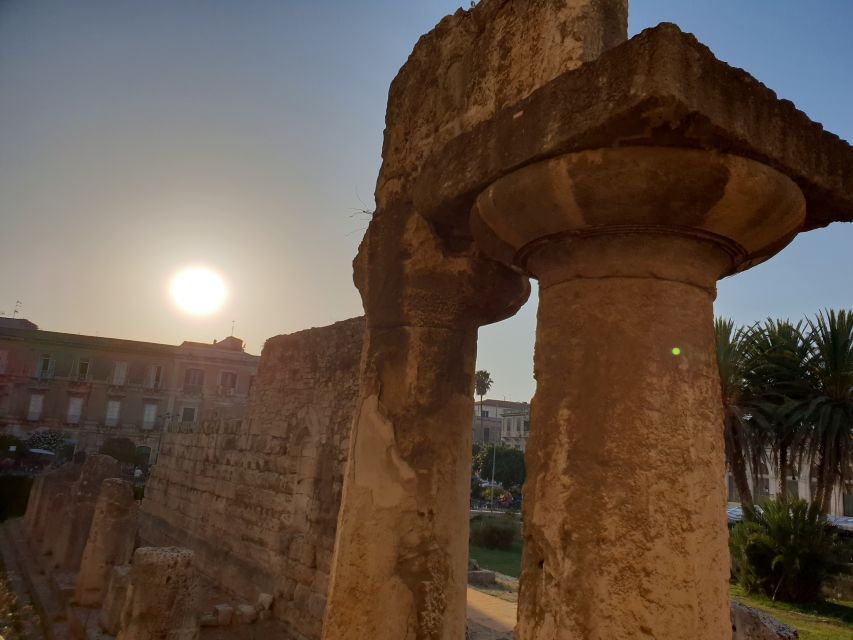
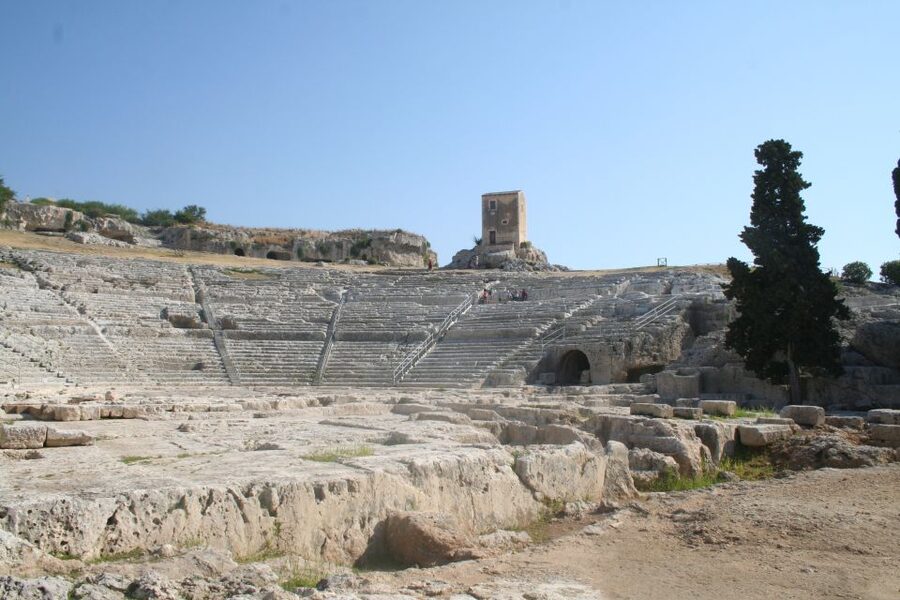
Food is only one part of the farm. The property has been a sacred site for more than 2,500 years, and archaeologists found altars connected with Greek and Roman use. A licensed historical guide leads the archaeological walk, giving the meal preparation a much older setting.
You will tour the archaeological remains located on the farm itself. The exact length and condition of the route are not specified, so expect an outdoor visit rather than a museum-style presentation. The historical stop is valuable because it shows how the land has been used across very different periods.
The farm is also beside a striking river and an ancient bathing lagoon. Swimming and jumping into the water are mentioned as possible parts of the setting, but the information does not guarantee that every participant will swim or that conditions will permit it. Treat this as a scenic feature and possible activity, not the main promise of the booking.
A walk to the old water mill adds another layer. The mill is under restoration, so you should expect a work in progress rather than a finished attraction. That unfinished state may appeal to you if you like seeing local projects as they develop, but it will disappoint anyone expecting a fully restored historic building.
Majestic trees provide shade along the farm, which is welcome in Sicily. Still, the outdoor nature of the visit means uneven paths, heat, and walking are part of the day. The tour is specifically not suitable for people with mobility impairments.
A few more Syracuse days worth weighing up
- Visit to the olive grove, oil tasting and lunch at the farm
★ 5.0 · 31 reviews - Catania: Guided Tour of Etna with Farm Visit & Food Tasting
★ 4.6 · 30 reviews - Food Experience at our Farm in Noto Hills
★ 5.0 · 17 reviews - Etna private tour in 4×4 & Sicilian food farm experience
★ 5.0 · 7 reviews
Olive oil, wine, and the pantry
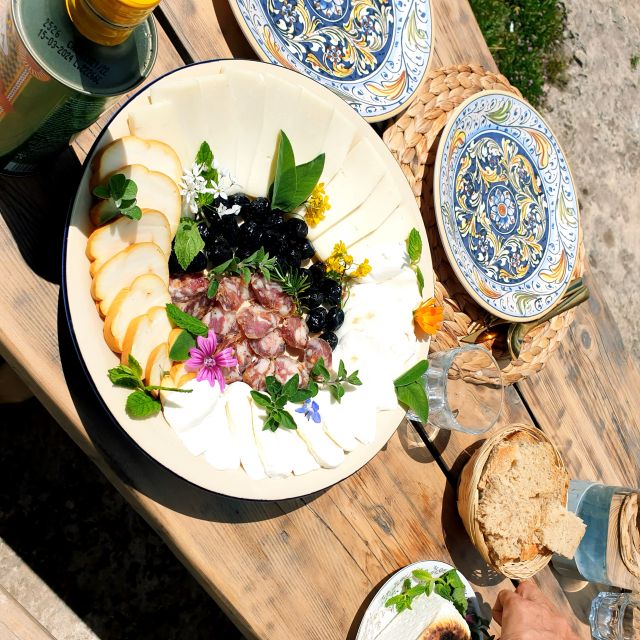
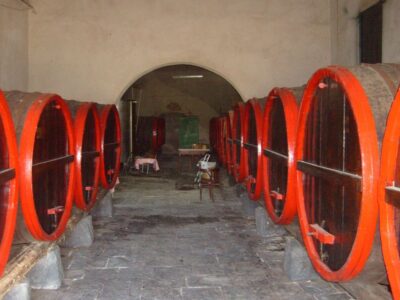
The visit includes olive oil and local wine tastings, along with a stop at the farm’s historical food and wine pantry. These tastings round out the cooking lesson by showing how two basic Sicilian products fit into the local food culture.
The olive oil tasting is not just a drink stop. It gives you a chance to pay attention to flavor and quality before using oil at the table. The same goes for the wine tasting, which supports nearby producers rather than treating wine as an unrelated add-on.
No specific wines, olive varieties, vintages, or tasting quantities are provided. You should therefore see this as a local sampling, not a specialist wine seminar. If your main interest is wine, a dedicated winery visit will offer more depth. If you want food, place, and drink in one compact outing, this tasting adds real value.
The pantry visit also helps connect preservation with daily cooking. Sicily’s food traditions depend on keeping good ingredients available across the year, and the pantry gives that idea a physical setting. The exact items on display can vary, so it is best to approach this as an introduction rather than a promised collection.
What the $164.26 price buys you
At $164.26 per person, this is not a cheap meal or a basic market-to-kitchen class. You are paying for a four-hour small-group visit with a licensed historical guide, a qualified nature guide, garden access, the wheat-to-pasta class, a shared lunch, and local olive oil and wine tastings.
The group limit of 10 is important. A smaller group gives you a better chance to ask questions, handle ingredients, and hear the guides outdoors. It also suits the personal character of a family farm. The price becomes easier to justify if you value the archaeological and nature elements as much as the food.
Transport is not included. You must arrange a taxi or other transport, although an alternate meeting point may be arranged based on your accommodation. That extra cost can affect the total budget, especially if you are staying outside Syracuse.
No entrance tickets are included in the cost. The information does not specify which separate ticket might apply, so confirm this directly before booking if the archaeological portion is important to you.
For flexibility, you can reserve now and pay later, and cancellation is free up to 24 hours before the activity. These terms are useful when your Sicily plans are still moving, but the calendar is not kept up to date. Contact the farm before booking to confirm the date, time, and meeting point.
Timing, meeting point, and practical planning
The listed duration is four hours, but starting times can be customized. Meet the local guide at Via Malta, 7, 96100 Siracusa unless another point is arranged. The outing ends back at the meeting point.
The farm asks you to contact the local partner before booking because the calendar may not reflect current availability. This is not a minor detail. Confirming in advance can prevent a wasted trip and lets you ask about the starting time, transport, and meeting location.
English and Italian are available. If you need another language, the supplied information does not promise one. The small-group format makes it easier to follow the cooking and garden work, but you should still choose the language in which you can comfortably understand safety advice about wild plants.
Wear comfortable shoes and bring water and a sun hat. The activity includes outdoor walking, a garden, archaeological areas, and a river setting. It is not described as accessible for people with mobility impairments.
Who will get the most from this farm visit?
I would recommend this to you if you enjoy food with a clear sense of place. It works especially well for people who want to meet a family project, learn about older crops, and understand how pasta begins with grain rather than a packet on a shelf.
Families can find plenty to do, from garden gathering to pasta preparation and archaeological discovery. The hands-on format also gives children a reason to pay attention, though the outdoor walking and uneven setting may not suit every child.
This is a strong choice for repeat visitors to Sicily who have already seen major city sights and want a slower day near Syracuse. It also suits anyone who likes small groups and does not mind that the farm’s projects, such as the water mill restoration, are still in progress.
I would think twice if you want a formal cooking-school structure, a fixed menu, or a fully restored archaeological site. I would also avoid booking without confirmation, since the calendar is not updated and start times can change.
Should you book Slowlife Family Farm?
Book it if you want a food day that reaches beyond the kitchen. The combination of rare vegetables, milling wheat, pasta making, olive oil and wine tasting, Greek and Roman remains, and a river-side farm is unusual for one four-hour outing.
The strongest reason to go is the sense of participation. You help gather ingredients and prepare lunch, so the meal has a clear beginning in the garden. The archaeological tour and the farm’s off-grid way of life add meaning without turning the day into a standard sightseeing circuit.
Skip it if transport complications, outdoor walking, or an uncertain seasonal menu will frustrate you. For everyone else, confirm the details with Jess and Carlo before booking, wear sturdy shoes, and allow the farm to set the pace.
FAQ
Where does the activity start?
The usual meeting point is Via Malta, 7, 96100 Siracusa. An alternate meeting point may be arranged based on your accommodation.
Where does the activity end?
The activity ends back at the meeting point.
How long does the experience last?
The listed duration is four hours.
Can the starting time be changed?
Start times and dates can be customized. Contact the local partner in advance to request a different starting time.
What languages are available?
The tour is offered in English and Italian.
How many people are in the group?
The group is limited to 10 participants.
Is transportation included?
No. Taxi service or pick-up and drop-off transportation is not included.
What should I bring?
Bring comfortable shoes, a sun hat, and water.
Is the activity suitable for people with mobility impairments?
No. The activity is not suitable for people with mobility impairments.
Can I cancel for a full refund?
Yes. You can cancel up to 24 hours in advance for a full refund. You can also reserve now and pay later.
Just added around Syracuse
- Etna and Taormina tour from Syracuse with private driver★ 4.5 · 9 reviews
- Vendicari – Sicily’s best coast nature reserve ( Birdwatching & Archeology )★ 5.0 · 8 reviews
- Tour of Montalbano★ 4.5 · 7 reviews
- Etna tour from Syracuse with private driver★ 5.0 · 4 reviews
- Noto, Portopalo and Marzamemi tour from Syracuse with private driver★ 4.5 · 10 reviews
- Siracusa Walking Tour with Audio and Written Guide by a Local★ 5.0 · 59 reviews
- Syracuse Private Shore Excursion: Archaeological Park and Ortigia★ 5.0 · 5 reviews
- Syracuse Scavenger Hunt & Highlights Self Guided Audio Tour★ 4.5 · 4 reviews
Farms, compared.
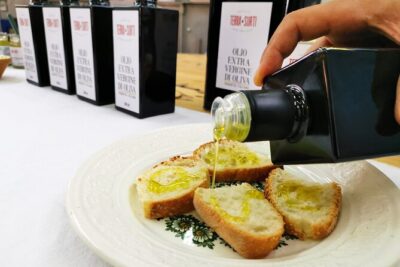
Visit to the olive grove, oil tasting and lunch at the farm
Read our review →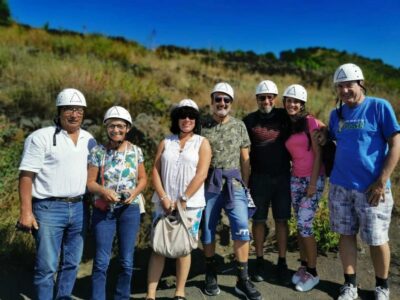
Guided Tour of Etna with Farm Visit & Food Tasting
Read our review →

Private Etna tour and pistachio lunch in a pistachio farm
Read our review →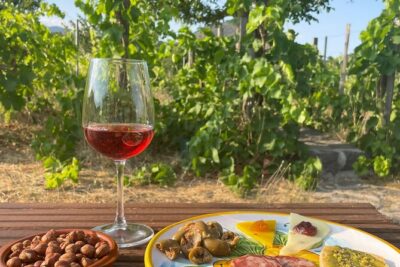
Etna private tour in 4×4 & Sicilian food farm experience
Read our review →Browse the lists this tour appears in