
Reviewed · MOUNT ETNA TOURS
Mt. Etna Trek: Explore the Highest Permitted Peaks – Tickets Inc.
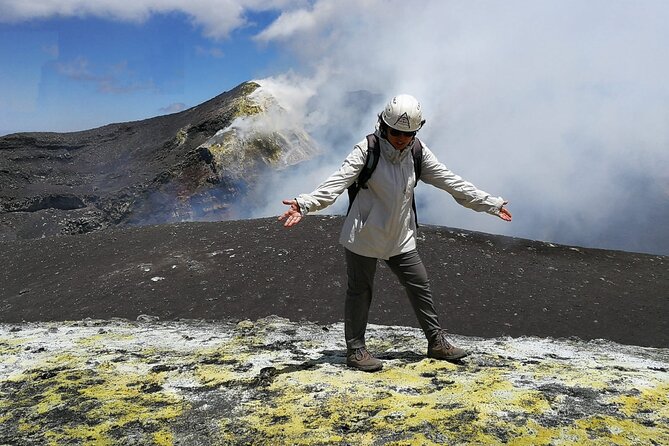
Mount Etna is not a tidy mountain walk. It is a high-altitude journey across black volcanic ground, loose ash, old crater rims, and broad views over eastern Sicily. The goal is the highest permitted altitude, not necessarily the summit, since volcanic activity and safety rules can change the route.
I like the small group of no more than 15 people, which gives you a better chance to hear the guide and keep a steady pace. I also like that cable car tickets, a helmet, walking sticks, and insurance are already included. The main catch is that the upper route can change at short notice, and the moderate hike may become much harder if a 4×4 transfer is removed.
Key points before you book
- Reach the upper slopes by cable car: Tickets are included, so you do not need to arrange the cableway separately.
- A 4×4 ride may be part of the highest route: The 3,300-meter option can combine the cable car with an off-road bus, depending on safety and operating conditions.
- Walk back from high altitude: The guided descent leads on foot to about 2,500 meters, where the cableway takes you back down.
- Expect a real mountain walk: You should be a regular walker with moderate physical fitness, not someone looking for a simple scenic outing.
- Etna’s route is changeable: Volcanic activity, weather, and safety rules can affect how high you go and how transport is used.
- The practical extras are covered: Trekking sticks, a protective helmet, tickets, and insurance are included, but lunch is not.
Reaching Etna’s highest permitted craters
This four-hour outing begins at 10:00 a.m. at Piazzale Rifugio Sapienza in Nicolosi. That meeting point is the main base for the experience, and it is also where you return at the end.
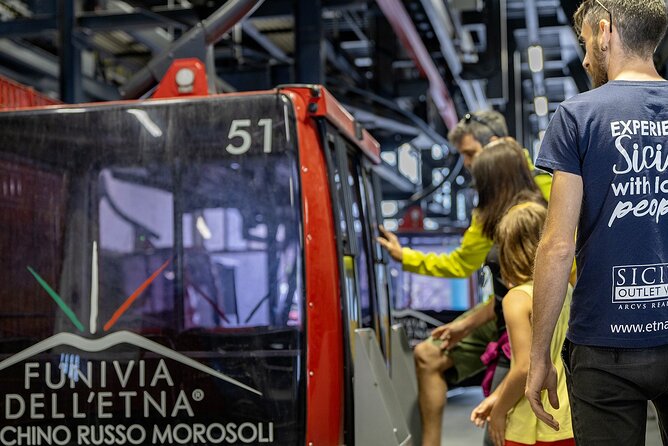
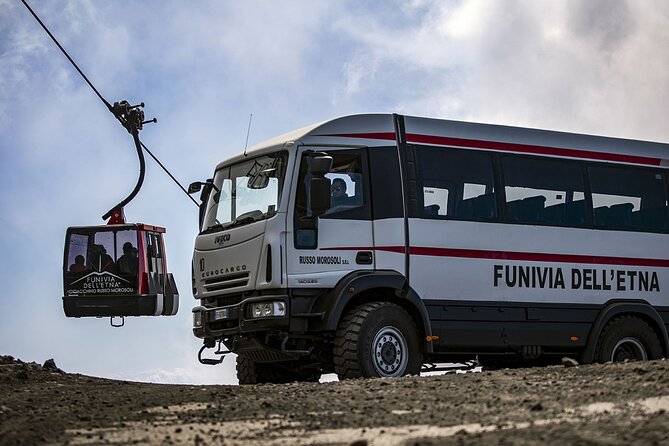
From here, you head upward by cable car. The ride is more than a way to save your legs. It gives you a fast change in altitude and opens views across Etna’s dark slopes. As the lower facilities fall away, the mountain feels less like a tourist stop and more like an active volcanic area.
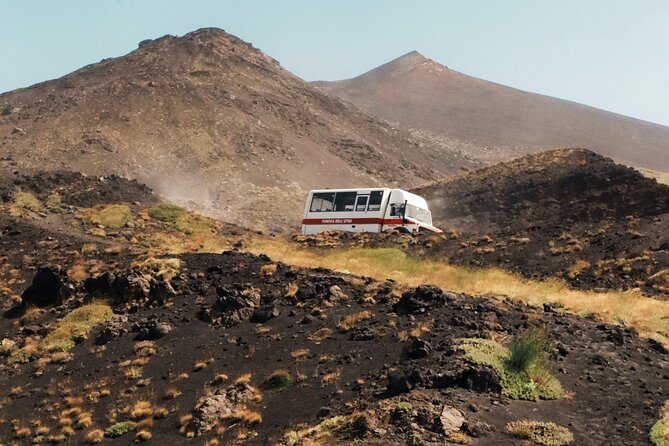
For the highest version of the route, the cable car may be followed by a 4×4 bus ride toward roughly 3,300 meters. This off-road section carries you across rough volcanic ground and brings you close to the starting point of the walk. It is a useful part of the experience because it lets you save strength for the high-altitude trek itself.
Do not treat the 3,300-meter figure as a guaranteed summit visit. The tour goes to the highest altitude permitted on the day. Etna is active, and the authorities or local operators may restrict access. The exact mix of cable car, 4×4 transport, and walking can change for safety reasons.
That is an important point when comparing this outing with a standard cable car visit. You are paying for a guided route into the upper volcanic zone, but you are also accepting a little uncertainty. On Etna, a changed route is often the sensible choice.
More Trekking Tours in Sicily:
- Mount Etna: Guided Volcano Summit Hiking Tour with Cable Car
★ 4.7 · 3,784 reviews - Etna Volcano: South Side Guided Summit Hike
★ 4.7 · 1,545 reviews - Catania: Mount Etna Trekking Trip off the Tourist Path
★ 4.9 · 1,351 reviews
The walk across Mount Etna’s upper slopes
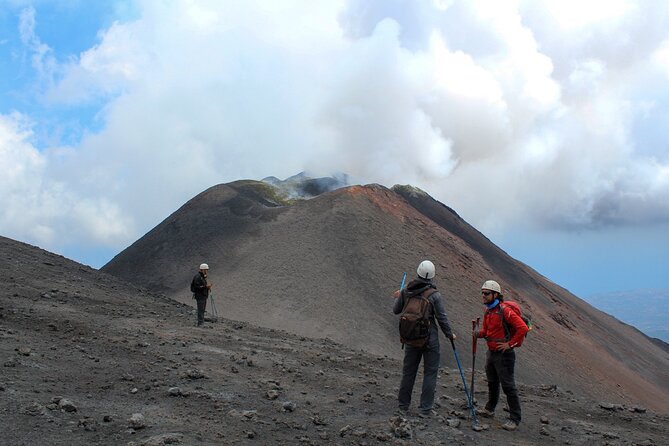
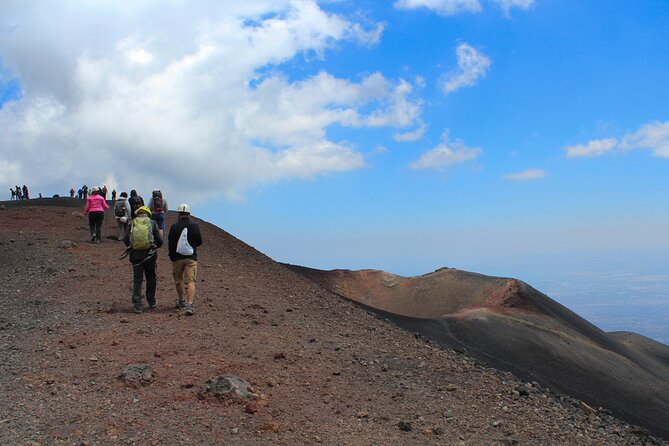
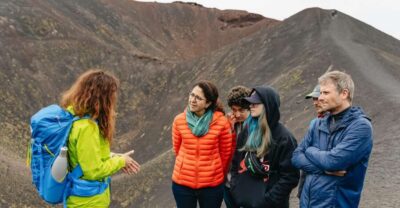
Once the hike begins, the terrain is the main attraction. Expect volcanic ground rather than a smooth trail. Walking sticks are provided to help with balance, especially on loose ash or uneven sections, and a helmet is included for protection.
The guide sets the pace and explains the volcanic surroundings as you move. The English-language format is useful if you want instruction and safety information in English without joining a large coach group. One guide praised by name in the tour feedback is Edo, who was singled out for his enthusiasm and strong understanding of Etna.
You need a reasonable level of fitness here. The tour describes the difficulty as moderate and recommends that you be a regular walker. The altitude adds another challenge. Even a route that looks manageable on paper can feel tiring higher up, particularly when the ground is soft or broken.
The descent is on foot to about 2,500 meters. This is one of the parts I like most about the plan. You are not simply carried up, taking a few photographs, and riding straight back down. Walking downhill gives you time to notice changes in the volcanic ground and to see how quickly the mountain’s upper zone shifts as you lose altitude.
At around 2,500 meters, you use the cableway to return to the meeting point. The experience is listed at about four hours, but mountain conditions and transport changes can affect the timing. Keep the rest of your day reasonably flexible.
Valle del Bove and Etna’s powerful scale
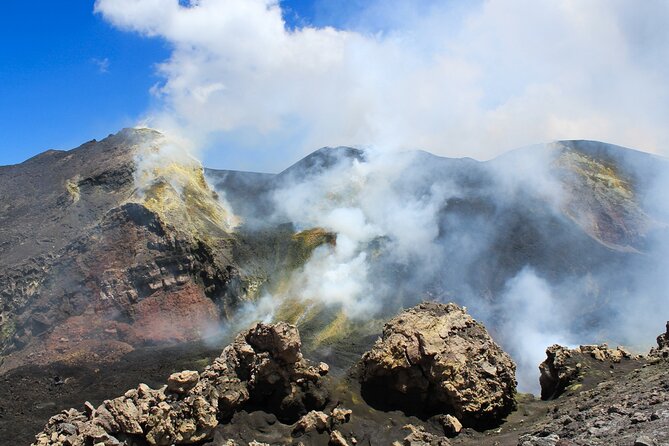
Valle del Bove is one of the named points on the route. This broad volcanic depression helps you understand Etna as a working volcano rather than just a high peak.
From a high route, the valley gives the mountain scale. It is a place where the shape of Etna becomes easier to read, with wide volcanic forms instead of the narrow views you get near the base. Your guide can provide the context for what you are seeing, but the value is also visual: this is the kind of setting that is difficult to appreciate from a bus window.
The stop may feel less like a formal attraction and more like part of the mountain walk. That is a plus if you prefer scenery and geology over a long list of organized stops. It is less ideal if you want a fixed sequence with guaranteed viewing time at every point.
Because Etna’s upper access depends on safety conditions, you should think of Valle del Bove as part of the intended route rather than a promise that every section will look exactly the same on your date. The guide and local rules determine the safest way to experience it.
Silvestri Craters for a lower-altitude finish
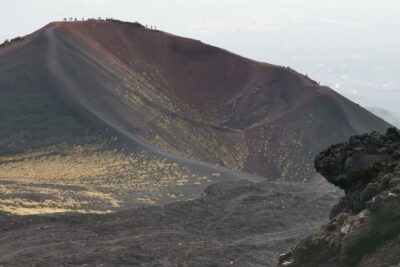
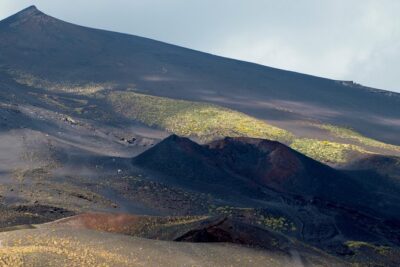
The Craters Silvestri are another named stop associated with Mount Etna. Compared with the high route, this area offers an easier way to see volcanic cones and rough black terrain without staying at the highest altitude for long.
It provides a useful contrast to the upper slopes. At altitude, the mountain feels exposed and strenuous. Around the Silvestri Craters, the volcanic shapes are easier to inspect at a more accessible level. If your day is affected by upper-mountain restrictions, this sort of lower volcanic area may become especially valuable.
Still, do not mistake the Silvestri Craters for the main goal of the trek. The core of the experience is the guided ascent toward the highest permitted craters. Silvestri is best understood as part of the wider Etna visit, not a replacement for the upper walk.
Booked from the same base, and a completely different kind of day:
- Catania: Mount Etna Morning or Sunset Day Trip with Tasting
★ 4.8 · 4,028 reviews - Palermo: NO Mafia Walking Tour
★ 4.8 · 2,431 reviews - Palermo: Hop-on Hop-off Bus Tour 24-hour Ticket
★ 3.9 · 2,410 reviews - From Trapani: Cruise to Favignana and Levanzo with lunch
★ 4.2 · 2,286 reviews
Why the small group matters
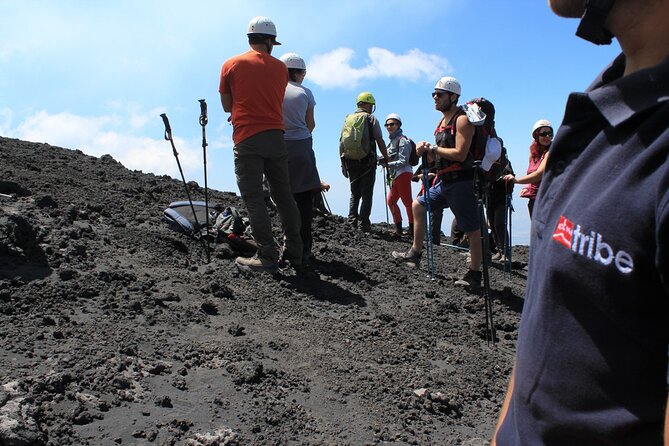
A maximum of 15 participants is a good middle ground. You get the structure of a guided excursion without the feel of a large procession. In mountain terrain, this matters. You can hear instructions more clearly, ask questions, and keep closer to the guide.
A small group also helps with the practical side of the route. The guide can monitor the pace and help explain how to use the walking sticks on loose ground. It does not turn the walk into a private tour, but it should feel more manageable than a large group spread across a difficult slope.
The guide is especially important on Etna because the route is not just about following a path. You need someone who can explain changes, watch conditions, and make clear decisions when an upper section is restricted. Edo received particularly warm praise for his enthusiasm and knowledge of the mountain.
There is also a caution here. One serious complaint described a route change, a disputed 4×4 arrangement, poor walking sticks, a late start, and an unpleasant exchange with a guide identified as Pietro La Rosa. The operator’s response said the route had been reduced for volcanic safety and that the change had been explained before the tour, while also apologizing for the misunderstanding.
You should take two practical lessons from that incident. First, confirm the route and transport plan shortly before departure. Second, ask clearly at the meeting point whether the 4×4 section is operating that day. A safety change is understandable, but clear communication and respectful treatment still matter.
What the $126.16 price covers
At $126.16 per person, this is not the cheapest way to see Etna. It can still be fair value if you want a guided upper-mountain walk rather than a basic cable car ticket.
The price includes cable car tickets, trekking sticks, a helmet, insurance, and the guided trek. If you arranged those parts separately, the costs and planning would be split across several decisions. Here, the main benefit is convenience and coordination.
The 4×4 transport is more complicated. The tour describes a cable car and 4×4 combination for the 3,300-meter option, but route operations can change because of safety conditions. You should not book this solely on the assumption that a particular bus ride is guaranteed.
Lunch is not included. Bring your own food if you expect to need it, and plan around the four-hour schedule. The supplied information does not specify meal stops, so do not count on a formal lunch break.
For a first Etna visit, I see the price as reasonable if you value an expert-led route, included access tickets, and safety equipment. If you only want a quick view from the mountain base or a short walk around the Silvestri Craters, this outing may be more than you need.
Fitness, clothing, and useful planning
You should be comfortable walking for several hours and handling uneven volcanic ground. The official difficulty is moderate, and the recommended level is moderate physical fitness. That does not mean you need technical climbing skills, but it does mean you should be prepared for a genuine uphill and downhill walk.
Wear sturdy footwear suited to loose or uneven ground. The supplied walking sticks are helpful, but they do not replace proper shoes or a steady pace. Take the helmet seriously as safety equipment, not as an optional photo prop.
High mountain weather can shift, and the tour requires good weather to operate. The exact clothing advice is not specified, so use sensible mountain judgment and prepare for cooler or rougher conditions than you might expect at sea level in Sicily.
The mobile ticket makes arrival simpler. The meeting point is Piazzale Rifugio Sapienza, 95030 Nicolosi CT, and the activity ends back there. The location is near public transportation, according to the supplied details, though the information does not specify a particular bus route or timetable.
Book ahead if your Sicily schedule is fixed. This outing is booked an average of 36 days in advance, which suggests that popular dates can fill well before the day itself.
Timing, changes, and cancellation rules
The planned start is 10:00 a.m., and the listed duration is about four hours. Mountain excursions rarely offer the same precision as a museum visit, so avoid scheduling an important appointment immediately afterward.
The tour can be canceled because of poor weather or because the minimum number of participants is not met. In either case, you are offered another date or experience, or a full refund.
You can cancel for a full refund up to 24 hours before the start time. Cancellations or changes made inside that 24-hour window are not refunded or accepted. The cut-off follows local time in Sicily.
The most important operational issue remains the route. A cable car may run while the 4×4 service is restricted, or the upper walking section may be shortened. Ask for the current plan before setting off, especially if reaching 3,300 meters is the main reason you booked.
Who will enjoy this Etna trek most
I would choose this experience if you want more than a viewpoint and you are happy to walk across volcanic ground. It suits regular walkers who want a guide, included cable car access, and a small group.
It is also a good choice if you want the mountain explained as you go. The combination of upper craters, Valle del Bove, and the Silvestri Craters gives the day a wider range than a single short stop.
I would think twice if you dislike uncertain conditions or need a tightly timed schedule. The route can change, the altitude can make the walk harder, and the 4×4 section may not operate as planned.
Families and less active participants should judge the moderate rating carefully. The data does not set a minimum age or provide a detailed accessibility statement, so you should confirm those points before booking if they affect your group.
Should you book it?
Book this trek if your priority is to reach Etna’s highest permitted walking areas with a guide and practical equipment already arranged. The small group, included cable car tickets, and descent on foot make it more substantial than a simple ride up the mountain.
Go in with realistic expectations. You are not guaranteed a fixed 3,300-meter route or a particular transport sequence, and one past complaint points to the need for better communication about changes. Confirm the day’s plan, bring lunch, allow extra time, and be ready for a moderate mountain walk.
For an active Etna day, the $126.16 cost is defensible. For a quick scenic outing, choose something shorter. This tour earns its value from access, guidance, and the chance to walk through Etna’s upper volcanic world, not from a promise of a perfectly fixed itinerary.
FAQ
Where does the Mt. Etna trek begin?
It begins at Piazzale Rifugio Sapienza, 95030 Nicolosi CT, Italy.
What time does the tour start?
The scheduled start time is 10:00 a.m.
How long does the experience last?
The tour lasts approximately four hours.
Where does the tour end?
It ends back at the meeting point at Piazzale Rifugio Sapienza.
Is the cable car ticket included?
Yes. Cable car tickets are included in the tour price.
Is a 4×4 bus ride included?
The 3,300-meter option can use a combination of cable car and 4×4 bus. Operation can change because of safety conditions.
How high does the trek go?
The guide takes you to the highest altitude permitted on the day. The tour description refers to a 3,300-meter option, but access depends on current conditions.
Is the trek difficult?
It is rated moderate. You should be a regular walker and have a moderate level of physical fitness.
Is lunch included?
No. Lunch is not included.
What equipment is provided?
The tour provides trekking sticks and a protective helmet. Tickets and insurance are also included.
Is the tour available in English?
Yes. The experience is offered in English.
How many people can join the group?
The maximum group size is 15 people.
Can I cancel for a full refund?
Yes. You can cancel at least 24 hours before the start time for a full refund. Changes or cancellations made less than 24 hours before the start are not accepted or refunded.
Just added around Sicily
- Zafferana Etnea:Honey extraction workshop and honey tasting★ 4.7 · 3 reviews
- From Trapani: Favignana and Levanzo Yacht Tour with Stops★ 5.0 · 4 reviews
- Mt Etna: Winter Trekking Tour with Optional Catania Transfer★ 4.7 · 13 reviews
- Wine tour with wine tasting★ 4.7 · 18 reviews
- Wine tasting in Catania Historic center★ 4.4 · 15 reviews
- Sicilian Soul: Winery Tour, Wine & Food Tasting in Catania★ 5.0 · 4 reviews
- Valley Of The Temples By E-Bike With Picnic Included★ 4.7 · 7 reviews
- Valley of the Temples and Villa Romana Multi-Language Tour★ 4.8 · 5 reviews
Mount Etna Tours, compared.
Mount Etna Morning or Sunset Day Trip with Tasting
Read our review →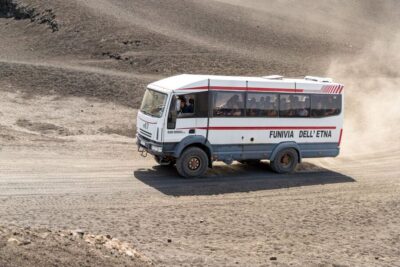
Guided Volcano Summit Hiking Tour with Cable Car
Read our review →
Sunset Jeep Tour of Mount Etna and Lava Flow Caves
Read our review →
Etna and Alcantara Gorges Full-Day Tour with Lunch
Read our review →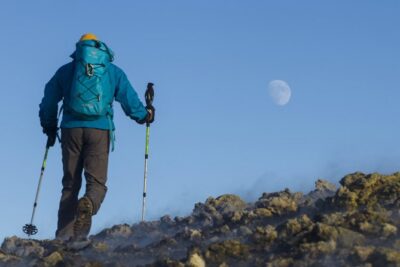
Mount Etna Trekking Trip off the Tourist Path
Read our review →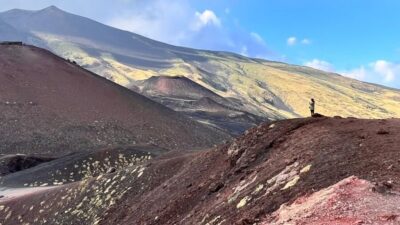
Browse the lists this tour appears in