Reviewed · SICILY TOURS
Underground Catania
Catania’s most revealing sights are often below street level. This tour takes you into Roman baths beneath the Duomo, a lava cave with an underground river, and a grotto linked to Saint Agatha. You see how eruptions, earthquakes, and rebuilding shaped the city.
I like the way the stops connect geology with daily life, rather than treating the underground sites as isolated ruins. I also like the guides, especially Oreste and Matilde, whose archaeology background helps turn dark chambers and broken walls into a clear story.
The main drawback is value. At $96.79 per person, this is not a cheap city walk, and the private-tour description should be clarified before booking because one seven-person booking was combined with other parties. The pace may also feel slow if you walk quickly.
Key Points About Underground Catania
- Roman baths beneath Piazza Duomo: See the surviving section of the large Terme Achilliane complex, built in the third or fourth century AD.
- A river under a restaurant: Enter a cave where a branch of the Amenano still flows beneath Catania’s historic center.
- A church inside living rock: Visit San Gaetano alle Grotte, a lava cave reused as a Greek cistern, Roman catacomb, and Christian site.
- Strong local guides: Oreste and Matilde are praised for archaeology, local stories, and patient answers.
- Cooler than the streets: The underground stops offer welcome relief on hot afternoons.
- A small-group format: The stated maximum is eight people, though you should confirm whether your booking is exclusive.
Why Catania Makes More Sense Underground
Catania is a city built and rebuilt on unstable ground. Mount Etna supplied the lava, while earthquakes and eruptions repeatedly changed the streets above it. Beneath the modern city, you can still see older layers that were buried, reused, or cut through by later construction.
That is the key to this experience. You are not simply visiting a cave, a bath, and a crypt. You are following the story of a city forced to adapt. Ancient water systems, Roman buildings, Christian worship, and volcanic rock all appear within a short walk of one another.
I especially like that the tour does not require a long trip out to Mount Etna. You still learn how lava affected Catania, but the evidence is right under your feet. If you have limited time, or if a climb up the volcano does not appeal, this gives you a useful local view of Sicily’s volcanic past.
The experience lasts about two to three hours. It begins at Piazza del Duomo, one of Catania’s easiest meeting points, and finishes at Piazza Stesicoro. Since the route links several central locations, you get both underground visits and a short look at the city between them.
A few more Sicily days worth weighing up
- Etna Morning Trip
★ 4.5 · 1,241 reviews - Syracuse: Boat Trip of Ortigia Island and Sea Caves
★ 4.7 · 937 reviews - Tour of the island of Ortigia and exploration of sea caves with baths.
★ 5.0 · 668 reviews
Terme Achilliane: Roman Baths Beneath the Duomo
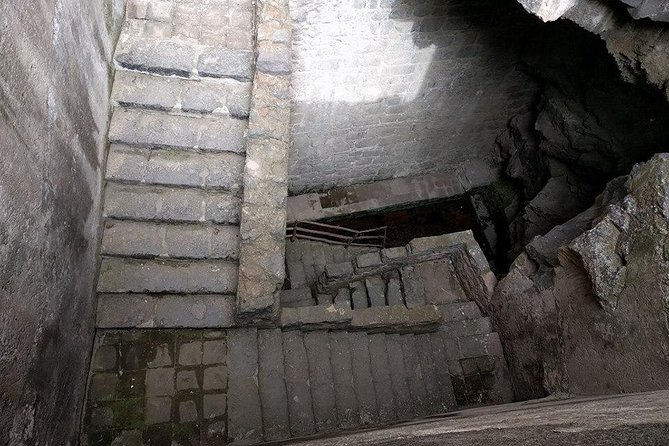
The first stop is the Terme Achilliane, a large thermal complex dating from the third or fourth century AD. The original bath plant extended into the area beneath Piazza Duomo, but only part of it remains accessible today.
You enter the surviving section below the cathedral. The scale matters here. This was not a single small bathing room, but a wider complex made up of many spaces. Your guide helps you picture how the rooms once worked and how the structure fitted into Roman Catania.
This is a good opening stop because it sets the pattern for the rest of the tour. The city above is not separate from the ruins below. The cathedral, square, and streets occupy ground that has been built over older structures for centuries.
Plan on about 20 minutes here. That is enough time for a clear explanation and a look around, but not enough for every architectural detail. If Roman engineering is your main interest, you may want to ask questions early and use the guide’s time well.
The admission cost is included. More important than the ticket itself is the access. The underground rooms are not the sort of place you would reliably find or understand on your own while walking around the square.
Sant’Agata Cathedral: The City Above the Ruins
The stop at the Basilica Cattedrale di Sant’Agata lasts about 20 minutes and places the underground sites in a wider setting. This is the heart of Catania, where religious life, public space, local identity, and the city’s long rebuilding story meet.
The cathedral has passed through several phases. Your guide explains the move from the Norman-era ecclesia munita to the Baroque cathedral you see today, including the destruction and reconstruction that followed disasters in the city.
I like this part because it prevents the tour from becoming a string of disconnected cellar visits. You see the grand public face of Catania and then learn what survives below it. The relationship between the cathedral and the Roman baths gives the whole Piazza Duomo more depth.
There is no separate admission charge listed for this stop. You should still expect the visit to focus on the cathedral’s place in Catania’s history rather than a long, detailed art-history lecture. The underground sites are the main event.
The city’s elephant symbol, the Liotru, is also part of the setting around the square. The tour frames the cathedral area as both sacred and civic, a useful way to understand why this part of Catania carries so much meaning for local residents.
A Putia dell’Ostello and the Amenano River
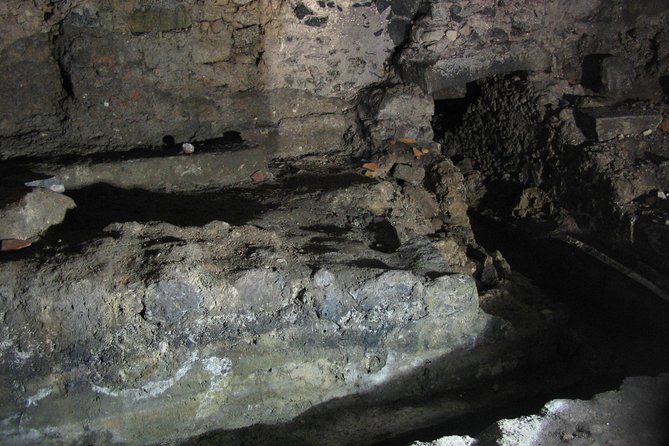
Next comes A Putia dell’Ostello, where you enter a striking sliding cave beneath the city. A branch of the Amenano River still runs through it.
The Amenano once flowed above ground and fed the Lake of Nicito. Over time, volcanic eruptions, earthquakes, wars, and rebuilding changed the course of the water and the shape of the city. Here, the river becomes a physical reminder that Catania has a natural system below its streets, even when modern buildings hide it.
This stop lasts around 10 minutes, so it is brief. The short visit may leave you wanting more, but that is partly the point. You get a concentrated look at the waterway before moving on to a site with a longer archaeological and religious story.
The setting is unusual because the underground river is visited through a place connected with everyday modern Catania. That contrast makes the stop memorable. You are looking at old basalt and moving water in a space that is not presented as a conventional museum hall.
Wear shoes you can walk in comfortably. The tour involves moving between central stops and entering underground spaces, and the surfaces may feel less polished than those in a standard historic building. The supplied information does not specify special footwear, so sensible walking shoes are the safest choice.
Booked from the same base, and a completely different kind of day:
- Catania: Mount Etna Morning or Sunset Day Trip with Tasting
★ 4.8 · 4,028 reviews - Mount Etna: Guided Volcano Summit Hiking Tour with Cable Car
★ 4.7 · 3,784 reviews - Palermo: NO Mafia Walking Tour
★ 4.8 · 2,431 reviews - Palermo: Hop-on Hop-off Bus Tour 24-hour Ticket
★ 3.9 · 2,410 reviews
San Gaetano alle Grotte: A Church Cut Into Lava
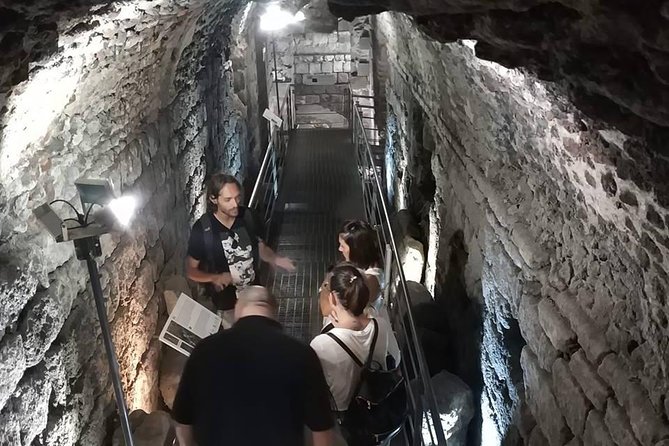
The final listed stop is Chiesa di San Gaetano alle Grotte, one of the most unusual places on the route. The church occupies an ancient lava-flow cave that was reused over time.
In Greek times, the cave served as a cistern. The Romans later used it as a catacomb tomb. Christian tradition connects the site with the first burial of Saint Agatha, and a small church was built here as early as 262.
You can still see traces of old frescoes and decorations carved directly into the living rock. That detail gives this stop a strong physical presence. Instead of seeing stone blocks assembled into a building, you see a sacred space shaped within volcanic material.
The site also shows how one place can take on different meanings across centuries. Water storage, burial, worship, and local devotion all occupy the same cave. Your guide’s explanation is especially useful here because the room alone cannot tell you every stage of its use.
Allow about 20 minutes. This is one of the stops where I would slow down, look carefully at the rock surfaces, and ask about the surviving decoration. The lighting and underground setting can make small details easy to miss.
What the Guides Add to the Experience
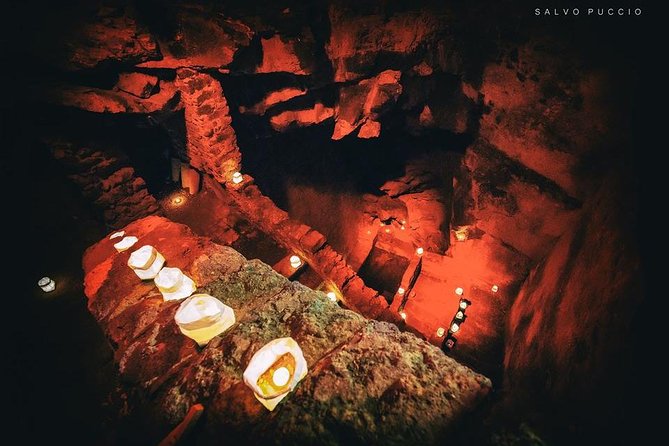
The guide can make or break a tour like this. Underground sites rarely come with a simple visual story. You need someone to explain what is Roman, what is volcanic, what was reused, and how the events fit together.
Oreste is described as an archaeology specialist with a strong command of Catania and Sicily. Matilde, also called Mathilde in some bookings, is praised for her passion, local perspective, and ability to answer questions in depth. Both names appear repeatedly in the tour material, so you may be assigned one of them or another member of the guide team.
The strongest feature is the way the guides connect small details to larger events. They explain the seventeenth-century eruption and earthquake, the effects of Mount Etna, and the rebuilding that produced modern Catania. That context helps you understand why the city looks the way it does today.
You should feel free to ask questions. The guides are described as patient, personable, and willing to adjust the pace or spend longer at a point of interest. One account found the walking speed a little slow, so this may suit you best if you prefer explanation over a brisk checklist.
The tour is offered in English. Confirmation is provided at booking, and service animals are allowed. Most people can take part, but the information does not give a detailed description of stairs, floor surfaces, or access inside every cave, so ask ahead if mobility is a concern.
Group Size, Timing, and the Private-Tour Question
The stated maximum is eight people. That is a useful limit for underground rooms because a large crowd would make it harder to hear, see details, or stay together between stops.
The experience is described as private and exclusively for your group. However, one booking involving seven people from three different parties reported that the group was combined. If exclusivity matters to you, confirm the arrangement before paying. The difference matters at this price.
A smaller group also gives you a better chance to ask about Catania’s churches, lava layers, water channels, or local customs. The guides have been praised for adjusting to questions and, in one case, changing the tour time to suit the group.
The route starts at Piazza del Duomo, 7, and ends at Piazza Stesicoro. Both points are in central Catania and close to public transportation. You should allow the full two to three hours rather than treating this as a quick one-hour stop between other plans.
The underground rooms also provide a break from Sicily’s heat. That does not make the tour a rest stop, since you still walk between sites, but the cooler interiors can be welcome during a hot afternoon.
Is $96.79 a Fair Price?
At $96.79 per person, Underground Catania is expensive compared with a basic city walk. Its value depends on what you want from a guide.
You are paying for access to several unusual places, an archaeology-focused explanation, and a route that connects Roman baths, volcanic caves, a river, the cathedral, and a church. You are also paying for a small group, at least in principle, with a maximum of eight people.
I would consider the cost fair if you care strongly about history, archaeology, geology, or places you would not locate alone. The tour brings together several kinds of underground evidence in one outing, saving you the work of finding and interpreting each site separately.
The value is weaker if you mainly want a quick overview of Catania or prefer to explore at your own speed. The pace can feel deliberate, and the private-group wording needs checking. A shared group at the full price would make the experience less attractive.
The free cancellation policy helps reduce the risk. You can cancel for a full refund up to 24 hours before the start time. Changes or cancellations inside that 24-hour window are not accepted for a refund.
Who Should Book Underground Catania?
I would recommend this tour to you if you enjoy places with several layers of use. The Roman baths, Amenano River, and San Gaetano grotto each tell a different story, but together they explain how Catania grew over older foundations.
It also suits you if you want local history without spending a full day on Mount Etna. The tour does not replace a volcano excursion, but it shows how volcanic ground shaped the city itself.
Families with older children may enjoy the mix of caves, water, ruins, and stories of Saint Agatha. The short stops keep the experience moving, though young children who dislike dark or uneven spaces may not enjoy every underground section.
You should think twice if you want a rapid walking tour, a major art collection, or a fully accessible route with detailed mobility information. The tour involves several underground environments, and the pace may feel too slow for a strong walker.
Should You Book It?
Book Underground Catania if you want to understand the city from below, not just photograph its cathedral squares. The best parts are the Roman bath complex, the flowing Amenano branch, and San Gaetano alle Grotte, where volcanic rock, burial, water, and worship meet.
Before booking, confirm whether your reservation is truly exclusive and ask about the walking pace if you prefer a faster tour. If the group arrangement suits you, the guides Oreste and Matilde bring the archaeology and local stories together in a way that makes the $96.79 price easier to justify.
FAQ
Where does Underground Catania begin and end?
The tour begins at Piazza del Duomo, 7, in Catania, and ends at Piazza Stesicoro. Both locations are near public transportation.
How long does the tour last?
The experience lasts approximately two to three hours.
How many people can join the tour?
The stated maximum is eight people. The experience is described as private, but you should confirm that your booking will be exclusive to your group.
Is the tour offered in English?
Yes. The tour is offered in English.
What places are visited?
The route includes the Terme Achilliane beneath Piazza Duomo, the Basilica Cattedrale di Sant’Agata, A Putia dell’Ostello with a branch of the Amenano River, and Chiesa di San Gaetano alle Grotte.
Can I cancel for a refund?
Yes. You can cancel at least 24 hours before the experience begins for a full refund. Cancellations or changes made less than 24 hours before the start time are not accepted for a refund.
Just added around Sicily
- Zafferana Etnea:Honey extraction workshop and honey tasting★ 4.7 · 3 reviews
- From Trapani: Favignana and Levanzo Yacht Tour with Stops★ 5.0 · 4 reviews
- Mt Etna: Winter Trekking Tour with Optional Catania Transfer★ 4.7 · 13 reviews
- Wine tour with wine tasting★ 4.7 · 18 reviews
- Sicilian Soul: Winery Tour, Wine & Food Tasting in Catania★ 5.0 · 4 reviews
- Wine tasting in Catania Historic center★ 4.4 · 15 reviews
- Valley Of The Temples By E-Bike With Picnic Included★ 4.7 · 7 reviews
- Valley of the Temples and Villa Romana Multi-Language Tour★ 4.8 · 5 reviews
Sicily Tours, compared.
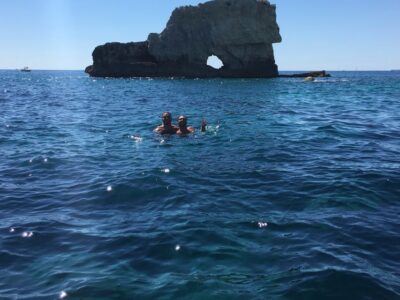
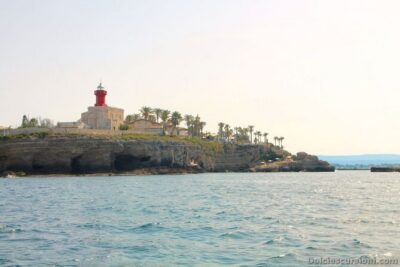
Tour of the island of Ortigia and exploration of sea caves with baths.
Read our review →

SALT TOUR-all inclusive: salt tour: Trapani, Paceco, Nubia
Read our review →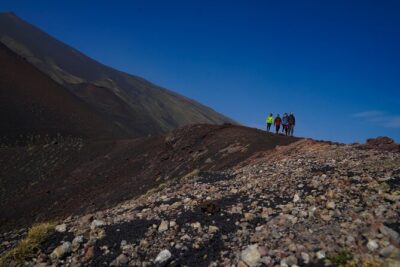
Mt. Etna nature and flavors half day Tour from Catania
Read our review →
Boat tour Giardini Naxos Taormina Isola Bella Blue Grotto
Read our review →