
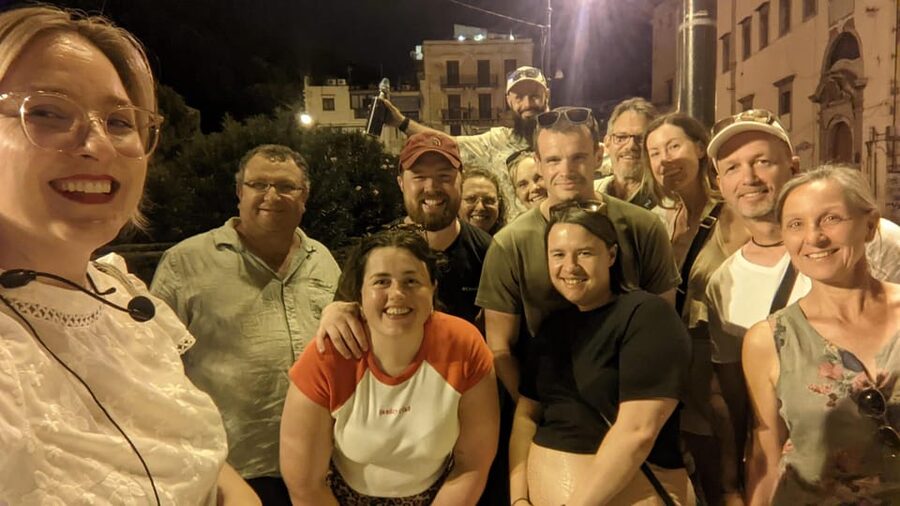
Reviewed · PALERMO MAFIA HISTORY TOURS
Palermo: Anti-Mafia Heroes Evening Walking Tour
Palermo’s Kalsa neighborhood carries its past in plain sight. On this three-hour evening walk, you visit the birthplace of anti-mafia judge Giovanni Falcone, the sites of three major crimes, and places renewed through Palermo’s fight against organized crime. The focus is not on mafia glamour. It is on Falcone, Borsellino, and ordinary Sicilians who resisted.
I like two things here. First, the route uses real streets and buildings rather than a lecture room, so Palermo’s past stays tied to the city you are seeing. Second, guides such as Angela bring photos, local stories, and a clear sense of hope to a painful subject. The main drawback is that traffic noise can make some explanations hard to hear, and the café stop may feel unnecessary on a cold evening.
Key points before you book
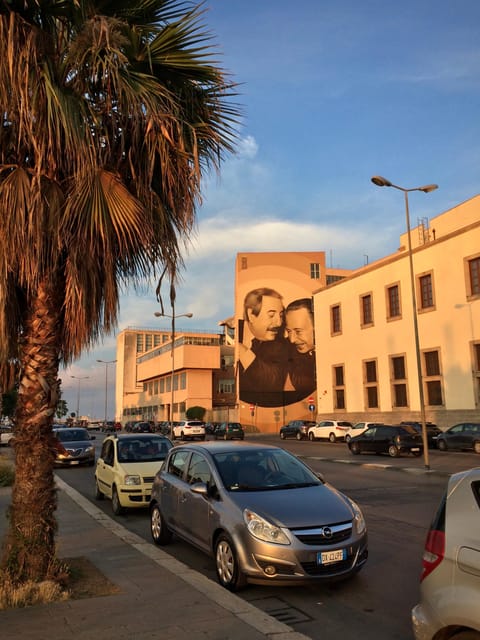
- Ten significant sites in 1.6 km: The walk is short in distance but full in content, with three locations connected to major crimes.
- Starts at Falcone’s birthplace: Meet by the plaque across from Ciccio Passami l’Olio, beside the ruins of the house where Giovanni Falcone was born.
- The Kalsa is part of the story: You see restored public spaces, street art, old streets, and daily Sicilian life alongside places tied to Cosa Nostra.
- Strong storytelling is the main value: Angela is praised for using photographs, personal accounts, and carefully linked stories to explain the past and present.
- An optional café pause breaks up the walk: Drinks are extra, and a bathroom is available halfway through.
- Bring walking shoes and travel light: High heels, large bags, luggage, and bare feet are not allowed, and the tour is not suitable for wheelchair users.
Why the Kalsa makes the right setting
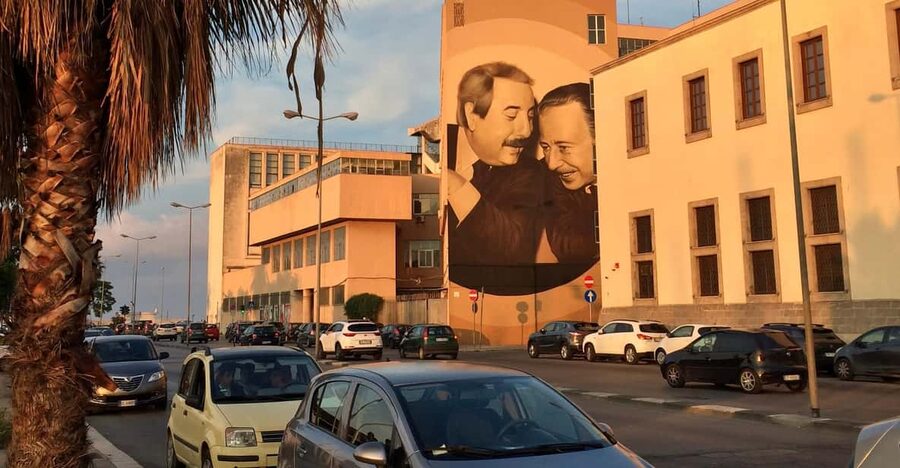
The Kalsa is not a museum district built for visitors. It is a lived-in part of Palermo, with layers of architecture, local businesses, public spaces, street art, and signs of urban renewal. That makes it a fitting place to discuss Cosa Nostra, since the subject is tied to neighborhoods, families, courts, shops, churches, and public life rather than to one isolated attraction.
The walk covers about 1.6 kilometers, or one mile. Most of the route is shaded, which helps in Palermo’s warm weather, though evening temperatures can change the feel of the tour. You are not covering a huge area. Instead, the guide spends time at selected sites, explaining why each one matters.
I like this format because the Kalsa becomes more than a backdrop. You get to see how a neighborhood can carry painful memories and still move forward. Restored areas connected with Palermo’s anti-mafia movement show that renewal is not only about fresh paint or repaired buildings. It is also about changing what a public place represents.
More Walking Tours in Palermo
- Palermo: NO Mafia Walking Tour
★ 4.8 · 2,431 reviews - Palermo Original Street Food Walking Tour by Streaty
★ 5.0 · 2,105 reviews - Palermo: Street Food and History Walking Tour
★ 4.9 · 1,294 reviews
Starting at Giovanni Falcone’s birthplace
The meeting point is in front of Ciccio Passami l’Olio. Across the street, in a small park, a plaque marks the birthplace of Giovanni Falcone. The ruins of the house are listed as the official starting location.
This opening gives the tour a human scale. Falcone is often remembered through major court cases and national headlines, but beginning at the place where he was born and raised brings the story back to one person and one neighborhood. Your guide can then set up the wider question: how did a judge from Palermo become one of Italy’s best-known opponents of Cosa Nostra?
The guide is supposed to wait by the plaque, not inside the restaurant. That detail matters in a busy city, so arrive with enough time to identify the park and marker. The tour is in English.
Angela is the guide most often associated with this experience. She has built the route around her own research into the Kalsa, anti-mafia figures, and local residents. One booking was led by Andrea, so the specific guide may vary. Either way, the quality of the tour depends heavily on the person leading it, and the strongest feature here is clearly the spoken presentation.
Ten stops, three crime sites, and a wider story
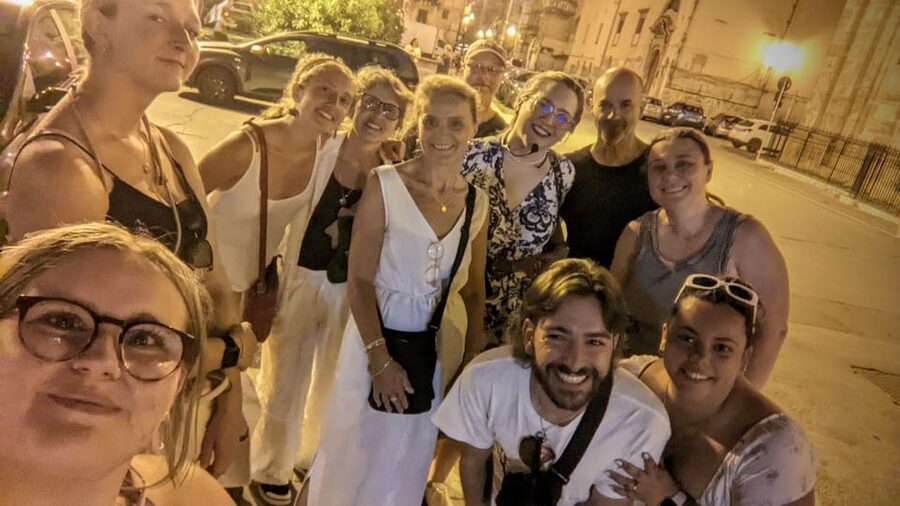
The itinerary includes ten important locations, three of them connected with major mafia crimes. The exact stop-by-stop names are not provided, so I would not book this expecting a standard list of famous monuments. The point is the relationship between place and event.
At each stop, expect the guide to explain what happened, who was involved, and how the event affected Palermo. The subject can be difficult, but the route keeps the emphasis on people who opposed violence and intimidation. The guide may use photographs to show the individuals and places being discussed, which helps you picture a street as it looked at another time.
The three crime sites give the walk its serious center. They are not just dramatic photo opportunities. They help you understand that mafia violence was part of ordinary urban life, with consequences for judges, public officials, local residents, and families. The visit is historical and educational, not a tour designed to make crime seem exciting.
The other stops broaden the picture. You learn about the origins of Cosa Nostra, the myths that have grown around it, and the difference between popular legend and historical evidence. You also hear about anti-mafia organizations and current efforts to keep that work alive.
That balance is important. A tour about the mafia can easily turn into a parade of notorious names. This one puts more weight on judges, legal teams, residents, and civic groups. I find that approach more useful because it shows how resistance works in daily life, not only in moments of spectacular violence.
Falcone, Borsellino, and the people behind the headlines
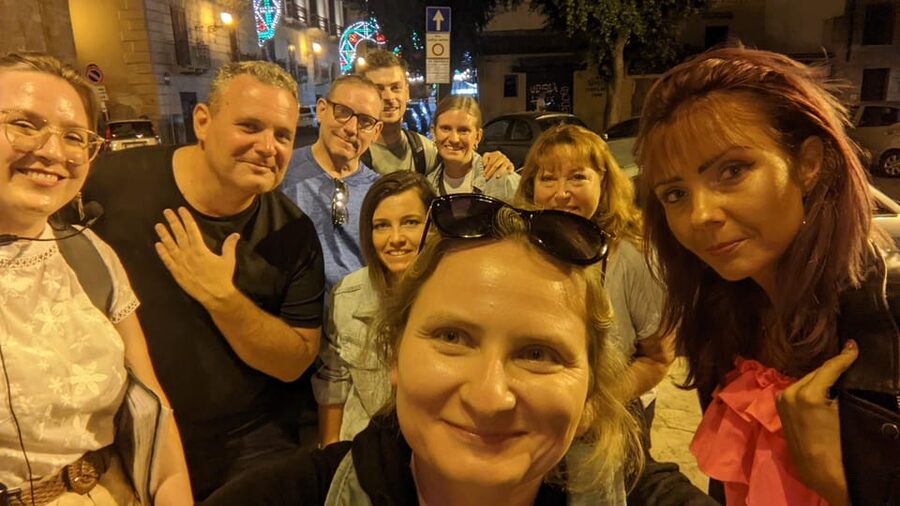
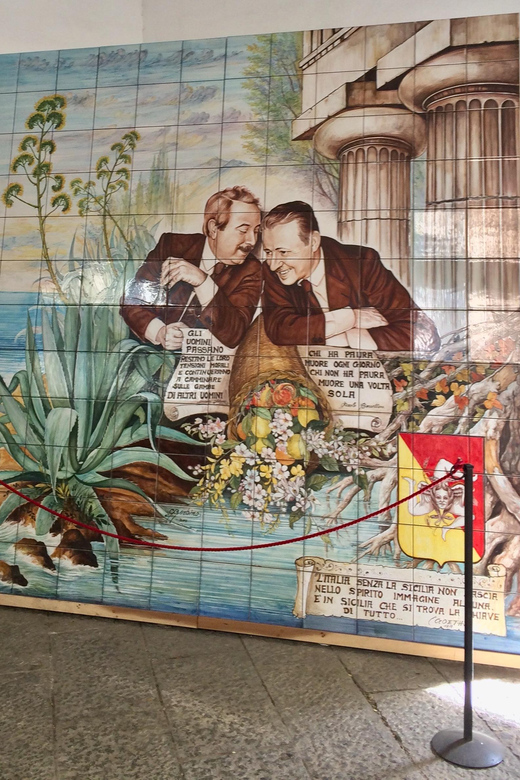
Falcone and Paolo Borsellino are central to the experience. Both were born and raised in the Kalsa, and their work helped change the fight against organized crime in Italy. You are not simply given a list of achievements. The storytelling connects their work with the neighborhood and with the people who supported, challenged, or carried on their efforts.
Angela’s strength, based on the way the tour is structured, is linking past and present. She explains the legal work and the risks faced by anti-mafia figures, then shows how their efforts still affect Palermo. That connection gives the tour an encouraging note without softening the tragedy.
You also hear about less famous people. Everyday residents and local organizations form part of the story, which keeps the tour from suggesting that change comes only from celebrated judges. This is one of the most worthwhile parts of the experience. You leave with a better sense of how public courage can grow from a neighborhood.
The tone is passionate, but the material is still accessible if you know little about Sicily. A little background on Falcone, Borsellino, and Cosa Nostra will help you recognize names, but you do not need to prepare before arriving. The guide explains the basic history as the walk develops.
More anti-mafia walks in Palermo:
- Palermo No Mafia walking tour: discover the Anti-mafia culture in Sicily
★ 5.0 · 1,011 reviews - The Godfather Origins of Mafia: Corleone & Visit Monreale Duomo
★ 5.0 · 73 reviews - Palermo: Anti-mafia Bike Tour
★ 4.9 · 28 reviews - Corleone Museum of Mafia and Piana degli Albanesi Village
★ 4.0 · 5 reviews
Storytelling, photographs, and the pace of the walk
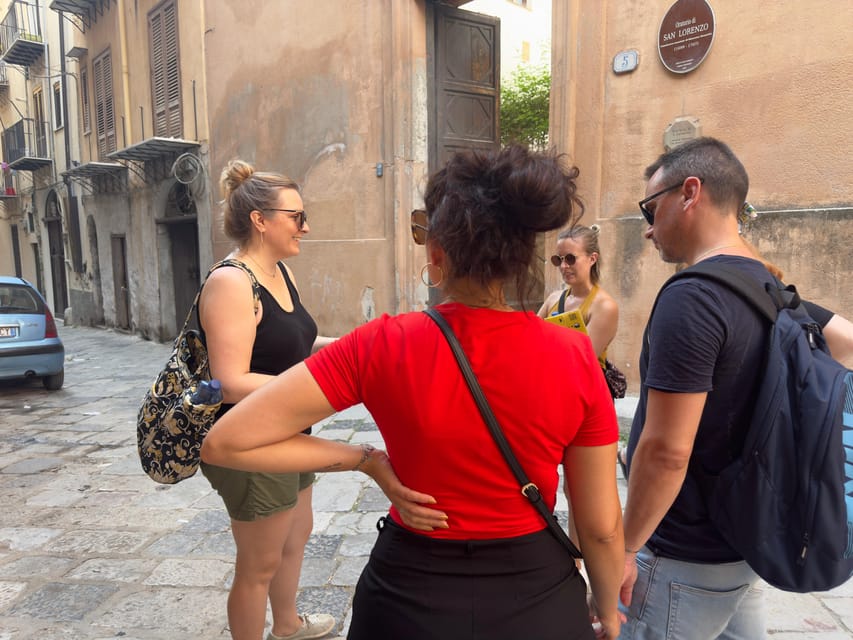
The route moves at a manageable pace, with frequent stops for explanation. Since the distance is only one mile, the physical demand is modest for most people who can walk around a city for three hours. The time is spent standing, listening, asking questions, and moving between sites.
The best guides use photographs and carefully chosen stories to make the people involved easier to remember. Angela is especially praised for her preparation, clear presentation, and ability to answer questions. The tour can feel personal because it is shaped by local research rather than a generic script about Sicily.
There are practical limits. Palermo is a working city, and traffic noise can interfere with the guide at some points. In a small group, moving closer to the guide should help. If you have hearing difficulties, stay near the front and ask the guide to repeat anything lost to passing cars.
The tour has also been described as running longer than two and a half hours, even though the official duration is three hours. Do not schedule a tight dinner reservation immediately afterward. The extra time may come from questions and conversation, which is useful if you enjoy discussion, but less convenient if your evening is planned minute by minute.
The café stop and what it adds
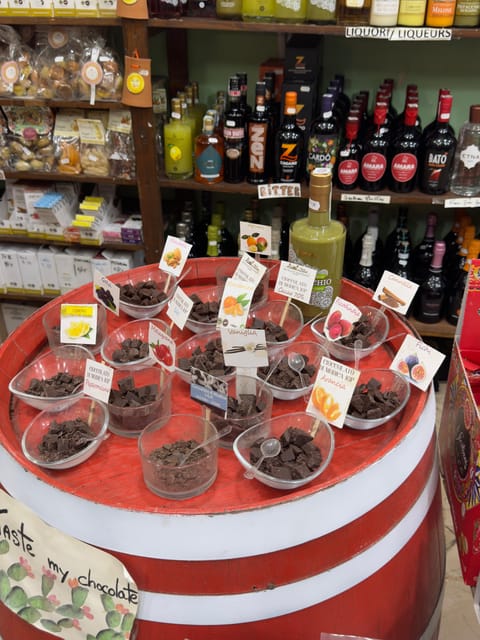
A café stop comes roughly halfway through the route. Refreshments are optional, and gelato is not included. A bathroom is available at this point, which is useful during a three-hour walk.
The stop can work in two ways. On a warm evening, it gives you a chance to rest with an aperitivo or another drink while continuing the conversation. One of the café venues also has a connection to the historical account, so the pause can reinforce the subject rather than feel like a random break.
On a cold evening, you may prefer to keep moving. One person found the stop unnecessary in chilly weather. You can treat it as optional rather than a required part of the experience. Budget a little extra if you want a drink or gelato, but do not expect either to be part of the $39.86 price.
What $39.86 buys you in Palermo
At $39.86 per person, this is not the cheapest way to spend an evening in Palermo, but the value is reasonable if you want interpretation rather than simple sightseeing. You are paying for three hours with a live English-speaking guide, ten carefully selected locations, historical context, and the chance to ask questions.
The walking distance alone would not justify the price. You could cover one mile through the Kalsa without a guide. The value comes from knowing what happened at each place and how those events connect to Palermo’s culture and civic life.
The small amount of ground covered is actually helpful. A longer route might show you more of Palermo but leave less time for the stories. Here, the guide can stop, explain photographs, answer questions, and draw links between the anti-mafia movement and the neighborhood around you.
If you are mainly looking for churches, palaces, or famous views, spend your money elsewhere. If you want a serious look at modern Sicilian history and the people who challenged Cosa Nostra, the price is fair.
When to choose this tour
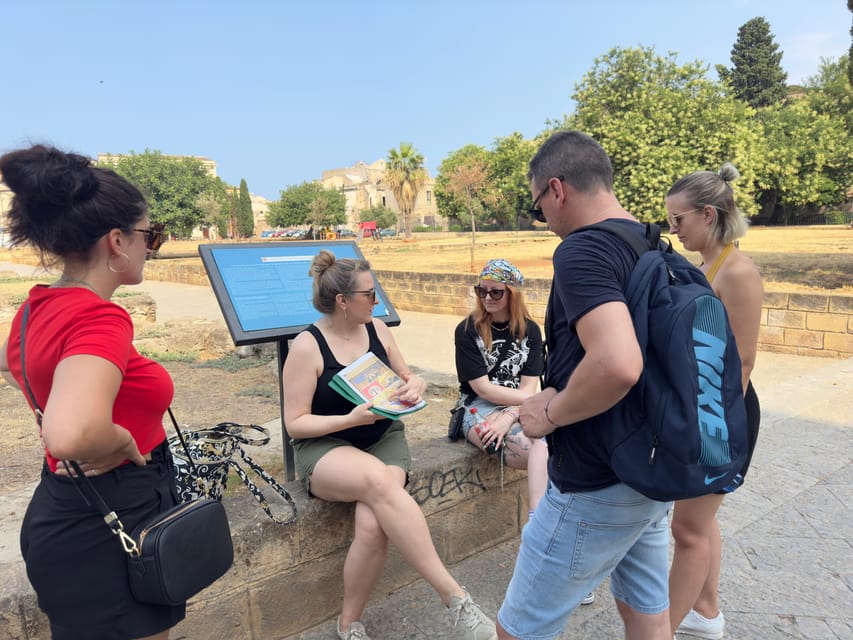
I would choose this experience if you want to understand Palermo beyond its food, architecture, and postcard sights. It suits visitors who like history, social issues, local culture, and guided walks that ask you to think about how a city changes.
It is also a good choice if you know little about the mafia but want a responsible introduction. The guide explains the origins of Cosa Nostra and separates fact from myth. You do not need to arrive as an expert.
You may want to skip it if you prefer light sightseeing or find stories of murder and intimidation upsetting. The subject is serious. The tour does not avoid the human cost of mafia crimes, even though its focus on courage and renewal gives it a hopeful direction.
Families with older children may find the educational side useful, but the supplied information does not give a minimum age. The walk is not suitable for wheelchair users. Comfortable shoes are essential, and large bags or luggage are not allowed.
How to prepare for an evening in the Kalsa
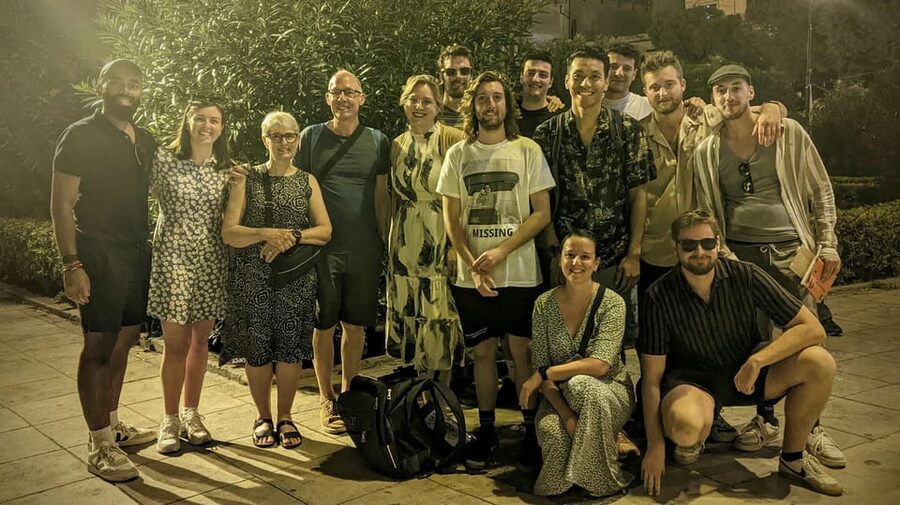
Wear comfortable walking shoes. Avoid high heels, and do not bring luggage or a large bag. Most of the route is shaded, but you are still outdoors for about three hours, so dress for the evening and city weather.
Arrive at the plaque by Falcone’s birthplace, across from Ciccio Passami l’Olio. The guide waits there. Since this is a real neighborhood rather than a closed attraction, allow time to locate the restaurant and park.
Keep your schedule flexible after the tour. The official length is three hours, and questions or discussion can stretch the experience. If you want a drink at the café stop, bring a little extra money.
The route information says the walk finishes at Piazza della Kalsa. The meeting information also says the activity ends back at the meeting point. Because those details do not fully match, confirm the final stopping place when you book or meet the guide.
Should you book the Anti-Mafia Heroes Evening Walking Tour?
Book it if you want a thoughtful, place-based account of Palermo’s anti-mafia movement. The strongest reasons are the Kalsa setting, the three crime sites, the focus on Falcone, Borsellino, and local resistance, and the guides’ use of photographs and stories.
I would give it priority over a generic mafia-themed tour because it treats Cosa Nostra as a destructive force, not as a colorful attraction. You gain a clearer view of Sicily’s courage and civic life, along with a better understanding of how the past still shapes Palermo.
Skip it if your main goal is relaxed sightseeing, if you cannot walk and stand for three hours, or if you need a perfectly timed itinerary. For the right audience, though, $39.86 buys an evening that adds real meaning to the streets you see.
FAQ
Where does the Anti-Mafia Heroes Evening Walking Tour start?
Meet in front of Ciccio Passami l’Olio. The guide waits by the plaque across from the restaurant, in the park marking Giovanni Falcone’s birthplace.
Where does the tour finish?
The route information lists Piazza della Kalsa as the finish. The meeting details also say the activity ends back at the meeting point, so confirm the final location with the guide.
How long is the tour?
The tour lasts three hours. Check availability for the exact starting time.
How far do you walk?
The route covers about 1.6 kilometers, or one mile. Most of the walk is shaded.
Which language is the tour offered in?
The live guided tour is offered in English.
Does the tour visit actual mafia crime sites?
Yes. The route includes ten important sites, including three locations connected with major crimes.
Is food or a drink included?
No. The café stop is optional, and refreshments and gelato are not included.
Is a bathroom available during the walk?
Yes. A bathroom is available about halfway through the tour.
Is the tour suitable for wheelchair users?
No. The activity is listed as unsuitable for wheelchair users. Comfortable shoes are required, and high heels, luggage, large bags, and bare feet are not allowed.
More Things to Do After Dark in Palermo
- Palermo: Small Group Night Street Food Tour
★ 4.8 · 589 reviews - Palermo: Street Food Walking Tour at Sunset
★ 4.9 · 492 reviews - Night Street Food Tour of Palermo with a Local -For real foodies!
★ 5.0 · 486 reviews - Sunset boat tour in Palermo
★ 4.8 · 81 reviews
Just added around Palermo
- Valley of the Temples and Villa Romana Multi-Language Tour★ 4.8 · 5 reviews
- Valley of the Temples★ 5.0 · 43 reviews
- Sicilian Winery Tour with Wine Tasting from Palermo★ 5.0 · 12 reviews
- Palermo: Medieval castles of Caccamo & Cefalù. Small Group Tour★ 5.0 · 24 reviews
- Traditional Sicilian Recipes in Palermo★ 5.0 · 4 reviews
- Private Transfer from/to Castellammare del Golfo★ 5.0 · 24 reviews
- UNESCO Day Trip – Monreale & Cefalù★ 5.0 · 6 reviews
- Palermo on a plate: Traditional Food & Wine tour (by Streaty)★ 5.0 · 119 reviews
Palermo Mafia History Tours, compared.
Palermo No Mafia walking tour: discover the Anti-mafia culture in Sicily
Read our review →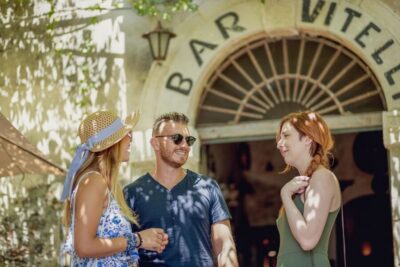
Godfather vs Mafia Tour & Pasta Lunch (Small Group or Private)
Read our review →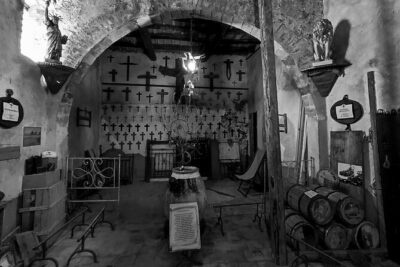
The Godfather Origins of Mafia: Corleone & Visit Monreale Duomo
Read our review →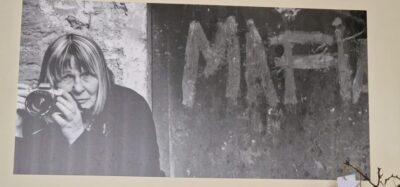
Corleone: Guided Tour of the C.I.D.M.A – Anti-Mafia Movement
Read our review →
Browse the lists this tour appears in