
Reviewed · SICILIAN COOKING CLASSES
Arancino Cooking Class in Ortygia Syracuse
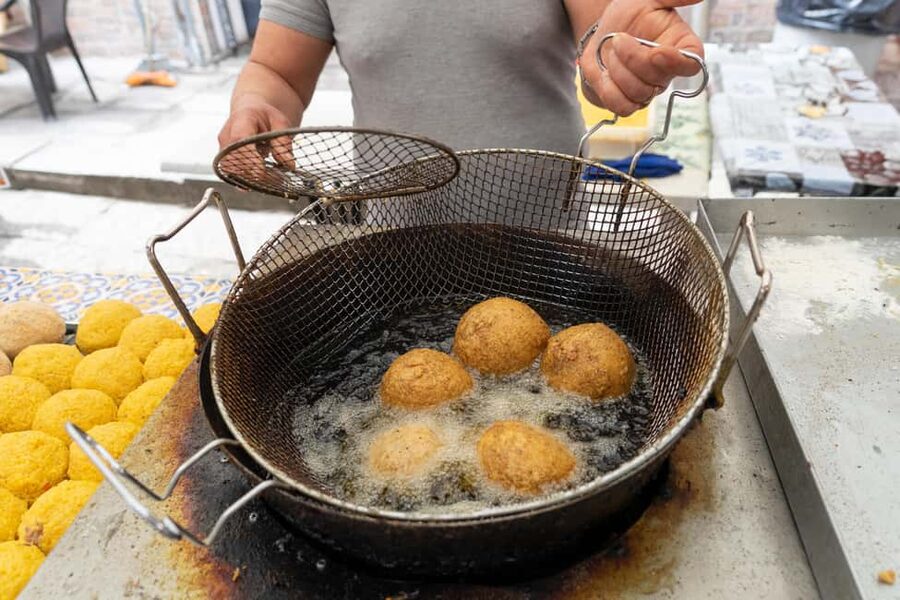
The star here is the arancino, Sicily’s crisp, golden rice ball. In a small Ortygia setting, you learn how the rice is shaped around fillings, then sample your work with caponata, parmigiana, cannoli, and a drink. I like the intimate group size and the chance to hear about Syracuse’s food traditions from Maria, who has also been praised for her warm, local approach.
I also like the class’s easy 90-minute length. It fits neatly into a day of sightseeing, and the menu gives you more than one Sicilian bite to try. The main point to consider is hands-on time: one account says the ingredients were already cooked, each person shaped only four arancini, and Massimo handled the breading and frying. At around €60 per person, that may feel pricey if you expect a full cooking lesson.
Key points to know before booking
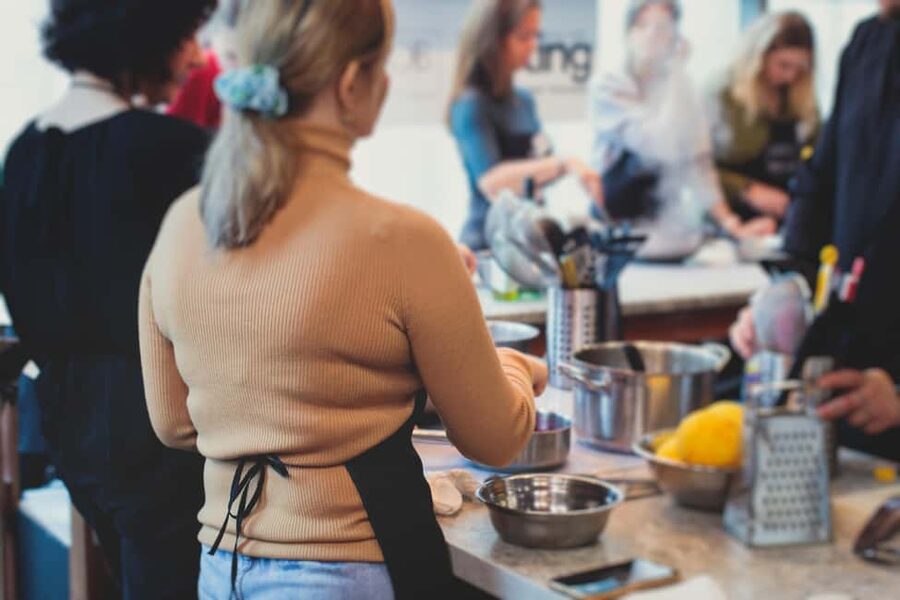
- Four arancini to shape: Expect to form the rice balls, but not necessarily to prepare every ingredient from scratch.
- Maria and Massimo lead the class: Maria provides the local food and Syracuse context, while Massimo handles parts of the final cooking process.
- A compact Sicilian tasting menu: The food can include arancini, caponata, parmigiana, and cannoli, plus a drink.
- Small group of up to 10: This keeps the room more personal than a large food demonstration.
- Short 1.5-hour format: It is a light culinary activity, not a half-day cooking school.
- Meet in central Ortygia: Find the group in front of the Banco di Sicilia entrance at 37.061317, 15.293965.
What this Ortygia cooking class is really about
This is a short introduction to one of Sicily’s most recognizable foods. The arancino is a ball of rice filled with ingredients such as meat, cooked ham, spinach, pistachios, or aubergine. It is shaped, coated, and traditionally deep-fried until the outside is crisp and the inside stays soft.
The class is designed more as a friendly food experience than as a serious chef’s course. You spend time with local hosts, hear about Sicilian cooking, shape some arancini, and sit down to taste several regional dishes.
That distinction matters. If you want to master every stage, including making the rice, preparing the filling, coating the arancini, and frying them yourself, you should check the exact format before paying. The available feedback gives a mixed picture of the hands-on portion. One participant found that most of the food was prepared in advance, with only the shaping done by the group.
I would approach this as a guided tasting with a practical cooking element. That can be just right for a couple, a family, or friends who want an easy activity between Syracuse sights. It may disappoint you if the main reason for booking is to spend a long session working at the stove.
More cannoli and granita classes in Syracuse:
- Noto Private Tour from Syracuse with sicilian “Arancino”
★ 5.0 · 10 reviews - Palermo: Pizza and Gelato Cooking Class with Dinner and Wine
★ 4.9 · 951 reviews - Palermo’s Delight: Unleash the Secrets of Pizza and Gelato Making
★ 5.0 · 497 reviews
Meeting the hosts near Banco di Sicilia
The meeting point is in front of the entrance of the Banco di Sicilia in Ortygia. The listed coordinates are 37.061317, 15.293965, which is useful if you are using a phone map and do not want to wander around the island looking for a cooking venue.
The class is limited to 10 people. That is a sensible number for this type of activity. A smaller group lets you hear the guide, see the food being prepared, and get a better chance to ask questions. It also suits a shared table setting, where the social side is part of the experience.
Maria is named as one of the hosts, and her role appears to go beyond giving basic instructions. She has been praised for explaining Syracuse and Sicilian food in an authentic, engaging way. Massimo is also involved and handles at least some of the final cooking work.
The languages are English and Italian. If you speak either, you should be able to follow the demonstrations and discussion. The class takes place in a small, comfortable setting, so wear clothes and shoes you can move around in. Large bags and luggage are not allowed, and pets are not permitted.
Shaping the traditional arancino
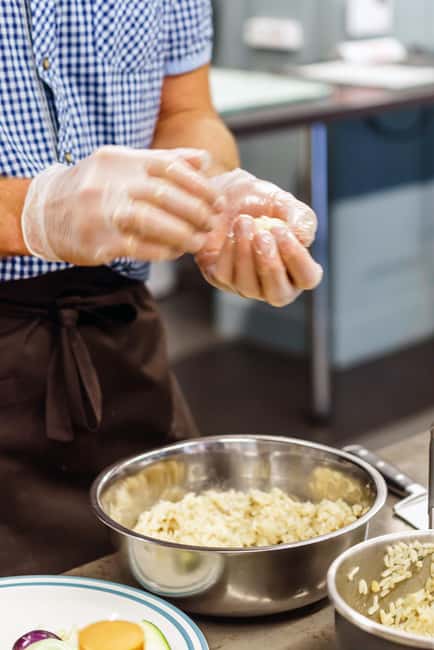
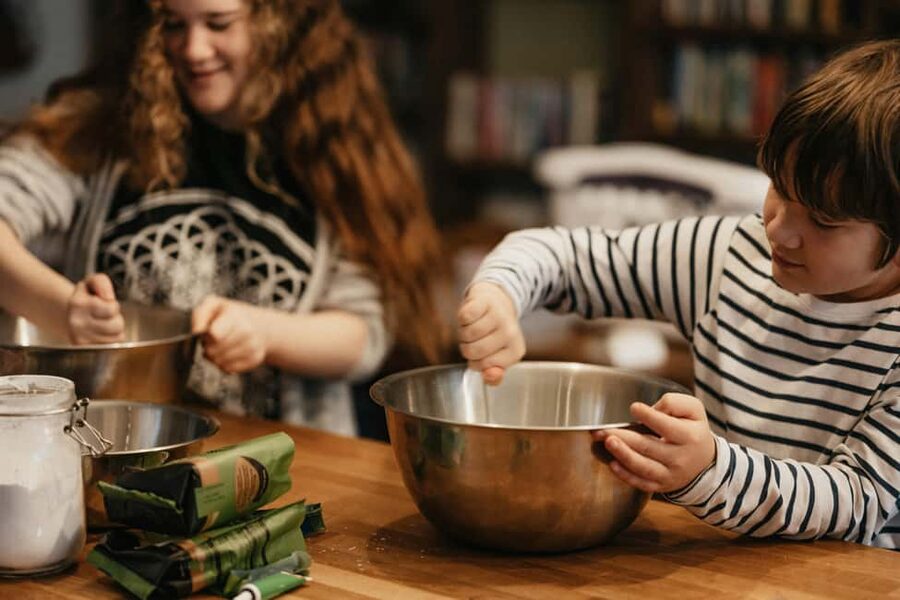
The main lesson centers on the shape and structure of an arancino. You work with prepared rice and fillings, then form the mixture into balls. Depending on the filling, the result may be round or shaped in another traditional style, though the information provided specifically describes the dish as a ball of rice.
The fillings can vary. Meat is a classic choice, but the class may also introduce cooked ham, spinach, pistachios, aubergines, or other ingredients. This is one of the best parts of the lesson because it shows that arancini are not limited to one recipe.
The rice must hold together without becoming heavy, and the filling needs to sit inside rather than spill out. Even if you do not prepare those components yourself, shaping the rice gives you a feel for the delicate balance. Too little rice and the filling escapes. Too much and the snack becomes a dense fried lump.
The practical limit is that each participant may shape only about four arancini. That is enough to understand the technique, but not enough to build much confidence through repetition. You are learning the idea, not training for a Sicilian takeaway shop.
One important detail is that the ingredients may already be cooked when you arrive. This keeps a 90-minute class moving, but it reduces the amount of actual kitchen work. If you want a lesson in preparing ragù, cooking rice, seasoning fillings, or making a coating from scratch, this format may feel light.
Watching the breading and frying
The breading and frying may be handled by Massimo rather than by participants. That affects the value of the class, especially at the higher price cited in one account, €60 per person.
There is a good reason for this arrangement. Deep-frying involves hot oil, limited space, and timing. A local host can manage the fryer while the group watches, which keeps the class orderly and avoids having several people crowd around a hot pan.
Still, you should know what you are buying. You may not lower your own arancini into the oil or control the cooking time. The final crisp shell is part of the magic, and watching it happen is useful, but it is not the same as doing it yourself.
I see this as the clearest tradeoff in the experience. The class is easier, cleaner, and faster because the hosts handle the risky stage. The downside is less practice and less control over the finished dish.
If your priority is social time, tasting, and a simple introduction, that tradeoff may be fine. If you judge cooking classes by how many techniques you perform yourself, compare this one carefully with a longer hands-on class in Syracuse.
More Cooking Classes in Syracuse:
- Syracuse: Traditional Cooking Class & Ancient Market Visit
★ 4.9 · 72 reviews - Syracuse: Sicilian Street Food Hands-On Cooking Class
★ 4.9 · 38 reviews - Cooking class at a Cesarina’s home with tasting in Siracusa
★ 5.0 · 27 reviews - Siracusa: Pasta & Tiramisu Cooking Class at a Local’s Home
★ 4.7 · 9 reviews
Tasting caponata, parmigiana, and cannoli
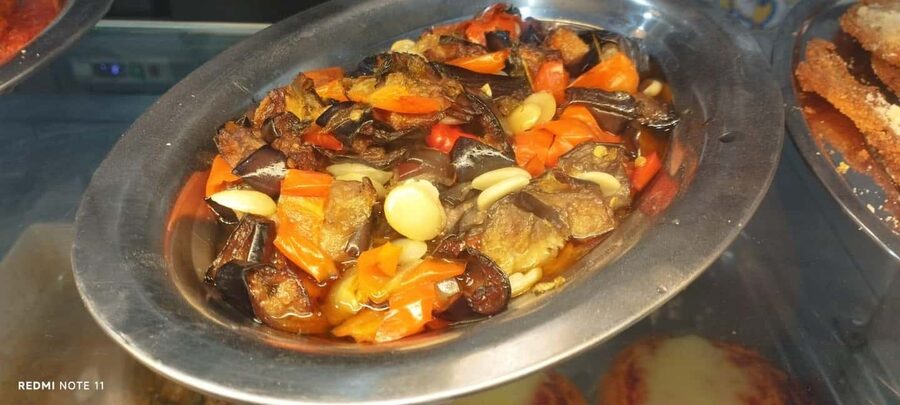
The food extends beyond arancini. The aperitivo may include caponata or parmigiana, followed by cannoli and a drink.
Caponata is a sweet-sour Sicilian vegetable dish, usually built around fried aubergine with tomato, celery, onion, olives, capers, sugar, and vinegar. Recipes vary widely. It can be served as a side dish, starter, or, in older traditions, a main course.
This is a useful dish to taste beside the arancino because it shows a different side of Sicilian cooking. The arancino is crisp and filling. Caponata is soft, sharp, sweet, and briny. The contrast helps you understand why Sicilian food often combines vegetables, preserved ingredients, and sweet-sour seasoning in one plate.
Parmigiana offers another aubergine preparation. Sliced, fried eggplant is layered with tomato sauce and Parmesan, then baked. It is rich and comforting, and a small portion works well as part of a tasting.
The dessert is cannolo, with a crisp pastry shell filled with sweet ricotta. Candied fruit, pistachios, or dark chocolate chips may be added. Cannoli are best known for the contrast between the brittle shell and creamy filling, though the quality depends on how fresh the shell is and how generously it is filled.
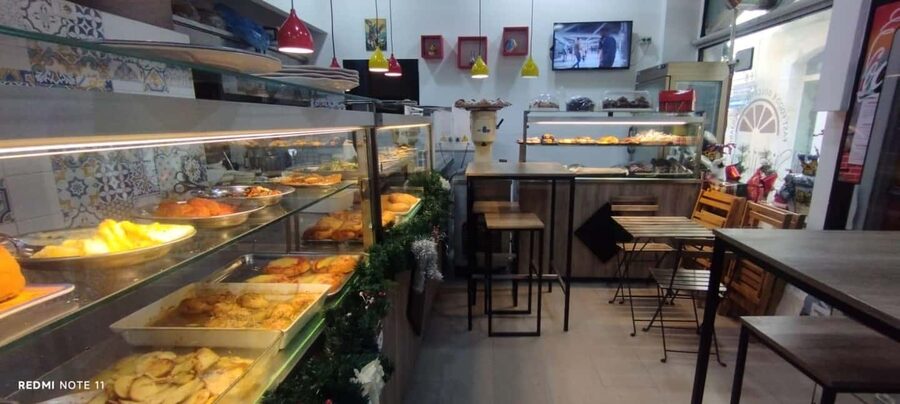
One point to keep in mind is portion size. The available information indicates that each person received one arancino and some caponata to taste at the end, while the remaining arancini stayed in the shop. The experience may include more food during the wider aperitivo, but you should not assume this is a large meal.
Plan it as a snack or light meal rather than a substitute for dinner. That makes the class easier to fit into a day of eating around Ortygia.
The value of the 90-minute format
Ninety minutes is a useful length for a busy Syracuse schedule. You do not lose half a day, and the class can work well before an evening walk or after visiting Ortygia’s historic center.
The short format also keeps the energy up. You arrive, meet the hosts, hear about the dishes, shape the arancini, watch the cooking, and taste the results without a long wait between stages.
The tradeoff is depth. A longer cooking class could give you time to prepare the rice, cook the filling, make caponata, assemble parmigiana, and fry the arancini yourself. This class gives you a taste of those foods and a look at the central technique, but not a full recipe workshop.
I would especially consider it if you have only a few days in Syracuse and want one organized food activity. It is also a good choice for a family or group of friends who may not want a demanding kitchen session.
For serious home cooks, the value depends on the final price. At €60 per person, you are paying for the local setting, the hosts, the tasting, and the convenience of a small group. You are not paying only for ingredients or for a recipe sheet. If the class delivers a generous tasting and lively guidance, that can be reasonable. If you receive only one arancino, a little caponata, and a drink after limited participation, the price becomes harder to justify.
Who will enjoy this class most
I would recommend the class most strongly to people who want food and conversation in equal measure. Maria’s explanations about Syracuse and Sicilian cooking are an important part of the appeal. You are not just shaping rice. You are getting context for dishes you will see across Sicily.
It suits couples looking for a shared activity, families who enjoy trying foods together, and friends who prefer a relaxed class to a formal restaurant meal. The small group limit of 10 helps keep the experience personal.
It may also work well for first-time visitors who do not know the difference between caponata, parmigiana, arancini, and cannoli. You sample several of them in one sitting, which gives you a handy food map for the rest of your time in Sicily.
I would be more cautious if you have mobility needs. The activity is listed as not suitable for wheelchair users. Comfortable shoes and clothes are recommended, but no further accessibility details are provided.
You should also avoid bringing luggage or a large bag. Since this is held in a small setting, arrive with only what you need for the class.
How it compares with a longer cooking class
Syracuse has several food activities that cover broader Sicilian cooking, street food, pasta, tiramisu, or dinner with show cooking. A longer traditional cooking class may be a better fit if you want to prepare several recipes from raw ingredients.
A street-food class can also offer more variety if your main goal is to sample the city one snack at a time. A pasta class may be the stronger choice if you want a technique you can repeat at home with basic equipment.
This arancino class has a narrower focus, and that is both its strength and its limit. You get a clear look at one famous Sicilian specialty, plus a few familiar sides and dessert. You do not need to commit a whole morning or afternoon.
When comparing options, ask yourself one practical question: do you want to make a meal, or do you want to learn about and taste a signature dish? This experience leans toward the second option, with enough shaping work to give you a personal connection to the food.
Booking details worth knowing
The class lasts 1.5 hours and is offered in English or Italian. The group is capped at 10 participants, and the meeting point is in front of the Banco di Sicilia in Ortygia.
You can cancel up to 24 hours before the start for a full refund. The reserve-now-and-pay-later option can help if your Syracuse plans are still changing.
The overall rating is 4.5 from 11 reviews, with praise for the fun, informative atmosphere and the quality of Maria’s explanations. At the same time, the detailed criticism about limited preparation and small tasting portions is important. It gives you a realistic picture of the class rather than a simple yes or no.
Should you book the Ortygia arancino class?
Book it if you want a short, friendly introduction to Sicilian food, especially if you like meeting local hosts and tasting several dishes in one sitting. Maria’s Syracuse background, the small group, and the chance to shape traditional arancini give the class real appeal.
Think twice if your idea of a cooking class means preparing every ingredient and frying your own food. With much of the work potentially done in advance, the hands-on part may be modest. At about €60 per person, I would book only after deciding that the social setting and tasting are worth as much to you as the cooking.
For a first taste of Ortygia’s food culture, it is a pleasant, efficient choice. For serious kitchen practice, choose a longer class with clearly stated hands-on preparation.
FAQ
Where does the arancino cooking class meet?
The meeting point is in front of the entrance of the Banco di Sicilia in Ortygia, Syracuse. The listed coordinates are 37.061317, 15.293965.
How long does the class last?
The activity lasts 1.5 hours.
How many people can join the class?
The group is limited to 10 participants.
Which languages are available?
The live guide is available in English and Italian.
What food will I taste?
The tasting can include arancini, caponata, parmigiana, cannoli, and a drink. The listed food descriptions include several possible arancino fillings, such as meat, cooked ham, spinach, pistachios, and aubergines.
Will I prepare the arancino ingredients from scratch?
The ingredients may already be cooked when you arrive. You should expect to shape the arancini, but not necessarily prepare every component yourself.
Will I bread and fry the arancini?
The breading and frying may be handled by Massimo. The available details do not promise that every participant will complete these steps.
What should I wear or bring?
Wear comfortable shoes and comfortable clothes. Pets, luggage, and large bags are not allowed.
Is the class suitable for wheelchair users?
The activity is listed as not suitable for wheelchair users.
Can I cancel my booking?
You can cancel up to 24 hours in advance for a full refund. A reserve-now-and-pay-later option is also available.
Just added around Syracuse
- Etna and Taormina tour from Syracuse with private driver★ 4.5 · 9 reviews
- Vendicari – Sicily’s best coast nature reserve ( Birdwatching & Archeology )★ 5.0 · 8 reviews
- Tour of Montalbano★ 4.5 · 7 reviews
- Etna tour from Syracuse with private driver★ 5.0 · 4 reviews
- Noto, Portopalo and Marzamemi tour from Syracuse with private driver★ 4.5 · 10 reviews
- Siracusa Walking Tour with Audio and Written Guide by a Local★ 5.0 · 59 reviews
- Syracuse Private Shore Excursion: Archaeological Park and Ortigia★ 5.0 · 5 reviews
- Syracuse Scavenger Hunt & Highlights Self Guided Audio Tour★ 4.5 · 4 reviews
Sicilian Cooking Classes, compared.
Pizza and Gelato Cooking Class with Dinner and Wine
Read our review →
Seaview Cooking Class & Taormina local flavors with Chef Mimmo
Read our review →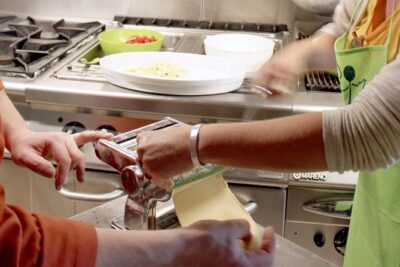
COOKING CLASS in Taormina at Chef Massimo HOUSE!!
Read our review →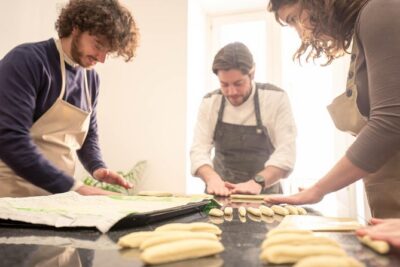
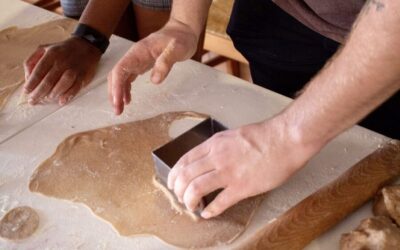
Cannolo Cooking Class with Completion Certificate
Read our review →
Browse the lists this tour appears in