
Reviewed · SICILIAN COOKING CLASSES
Sicilian Cooking Class
Palermo’s best food lesson begins before you reach the kitchen. With chef Michael, you start at Capo Market, where fresh produce, fish, meat, and local specialties shape the day’s menu. Then you walk to a small cooking studio and prepare a four-course Sicilian meal from scratch.
I like the market-to-table format, which gives you a look at how Palermo shops and cooks, not just a recipe demonstration. I also like the relaxed teaching style: you make pasta, clean vegetables, prepare fillings, and work through the meal with plenty of help. The main drawback is practical: the market is weather-dependent, and the cooking studio has a steep flight of stairs, so this may not suit everyone.
Key things to know before booking
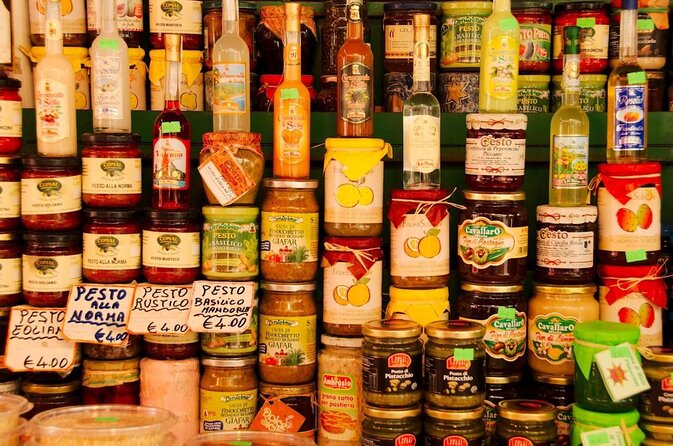
- Capo Market comes first: You buy ingredients near Porta Carini before walking to the cooking studio.
- You cook a full meal: Expect a starter, pasta course, main dish, and dessert, with the exact menu shaped by the season.
- Michael leads the class: He speaks excellent English and explains not only how to cook each dish, but why Sicilian cooks use particular ingredients and methods.
- Small groups keep it hands-on: The maximum is eight people, and participants take part in nearly every stage of preparation.
- The meal comes with local drinks: Wine is served with lunch or dinner, followed by coffee and homemade liqueurs.
- Plan for stairs and allergies: The studio has a steep staircase, and the class is not recommended for people with severe food allergies.
Starting at Palermo’s Capo Market
Your meeting point is near Porta Carini, the entrance to Palermo’s famous Capo Market. The listed meeting address is Parcheggio ORLANDO at Piazza Vittorio Emanuele Orlando, and the class begins at 10:00 a.m.
The market visit is more than a quick shopping stop. Michael uses it to introduce ingredients and show you how a Sicilian cook chooses food for the meal. You might see fresh vegetables, herbs, fish, meat, artichokes, citrus, and other items that change with the season. This matters because the class is not built around a fixed supermarket list. The menu can shift according to what looks best that day.
That seasonal approach gives the cooking lesson a useful local feel. You are not simply following a recipe designed months in advance. You are learning to make decisions based on freshness and availability, a habit that is central to home cooking in Sicily.
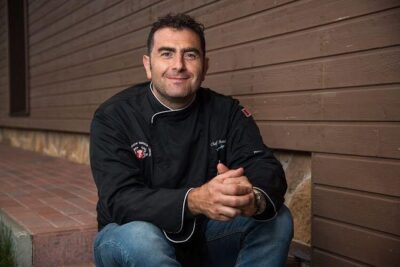
The market is also a good place to ask questions. Michael explains the food and the local cooking traditions in clear English, and he brings the group together before the kitchen work begins. His Irish background and life in Palermo with his Sicilian wife give him an unusual connection to both outside visitors and local food culture.
Allow some flexibility for the market portion. On a rainy day, many stalls may close, as Palermo’s open-air markets do not always operate at full strength in wet weather. The cooking class can still be worthwhile, but the market visit may be less lively than expected.
More Cooking Classes in Palermo
- Palermo: Pizza and Gelato Cooking Class with Dinner and Wine
★ 4.9 · 951 reviews - Wanna be Sicilian: Palermo Cooking Class and Market Tour
★ 5.0 · 197 reviews - Cooking class in a villa with Palermo view
★ 5.0 · 155 reviews
Walking from the market to the cooking studio
After shopping, you make a short walk to the air-conditioned kitchen. The cool indoor space is a welcome change in Palermo’s warmer months, especially after time outside at the market.
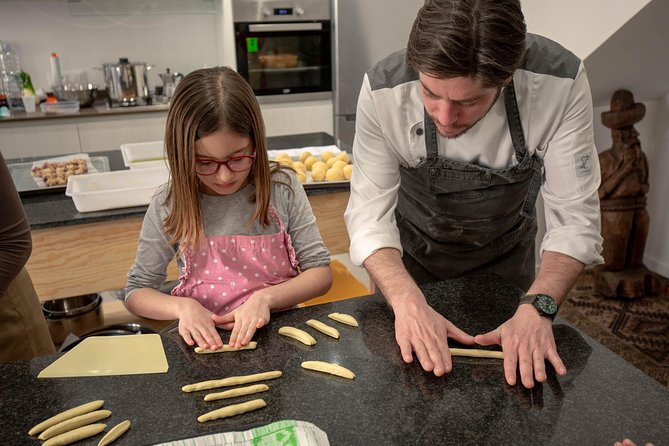
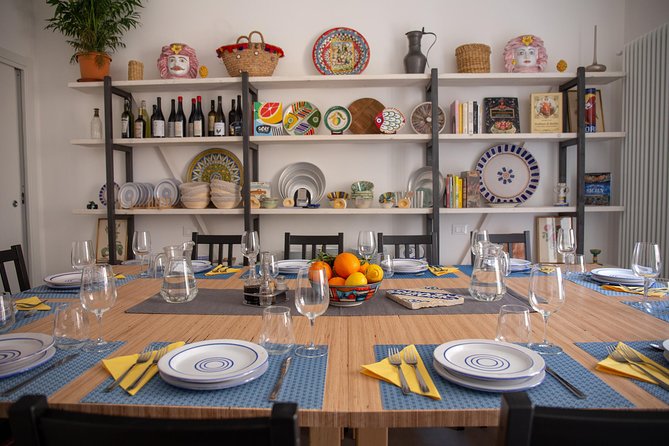
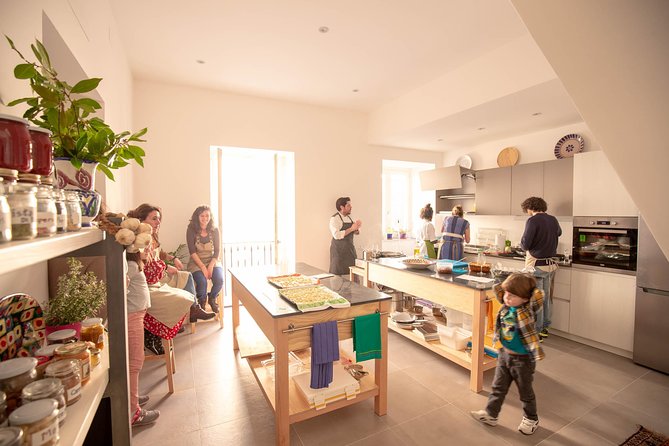
The studio is designed for small cooking classes and includes a kitchen and dining area. It has a friendly, informal feel rather than the atmosphere of a formal culinary school. You work alongside Michael and an assistant, with names such as Elena or Melissa appearing in the class team.
One practical note deserves attention: the cooking space is reached by a steep flight of stairs. The experience is not recommended for anyone with serious mobility limitations, and you should contact the provider in advance with any concerns. Service animals are allowed, and the location is near public transportation.
Making four Sicilian courses by hand
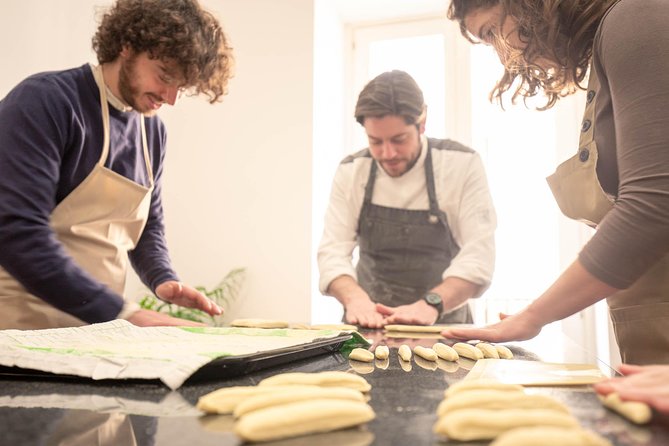
The central part of the class lasts several hours. Michael demonstrates techniques, explains the reasons behind them, and then gives you a chance to do the work yourself. You are not expected to stand at the edge of the room while someone else cooks.
The menu includes a starter, a pasta course, a main dish, and dessert. The sample dishes show the range of Sicilian cooking:
- Panelle: Fried chickpea fritters served with lemon, a Palermo street-food classic.
- Arancine al burro: Saffron rice balls filled with ham and cheese, then breaded and fried.
- Fried artichokes: Fresh artichokes are cleaned, quartered, breaded, and fried.
- Fresh pasta with tomato sauce: You make southern Italian style pasta and pair it with fresh tomato sauce.
- Pasta con le sarde: A Palermitan pasta with sardines, wild fennel, saffron, currants, pine nuts, and toasted breadcrumbs.
- Involtini di carne: Thin meat rolls filled with cheese, breadcrumbs, currants, and almonds.
- Breaded swordfish: Swordfish is coated with seasoned breadcrumbs, parsley, mint, and lemon zest.
- Cannoli: Fried pastry tubes filled with sweet ricotta, candied orange peel, and pistachios from Bronte.
- Cassata: Sponge cake and almond paste with sweet ricotta and candied fruit.
- Almond granita: A simple frozen dessert made with almonds, sugar, and water.
You will not necessarily make every dish listed above. This is a sample menu, and the food changes with the season and the ingredients bought at the market. That is a strength, but it also means you should avoid booking if you need a guaranteed menu.
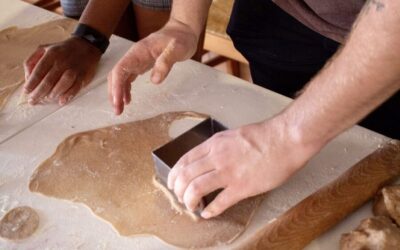
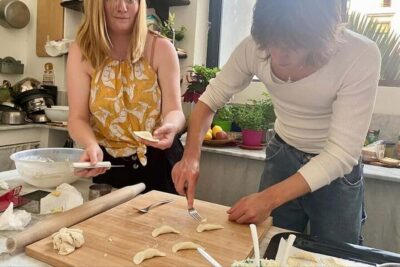
The hands-on work is the class’s real value. You might learn how to shape pasta, prepare panelle, clean artichokes, handle a knife, use a scraper tool, or assemble a dessert. Michael explains each step carefully, and the pace is designed to keep the process enjoyable rather than stressful.
I especially like that the class teaches why a dish works. Sicilian cooking often depends on contrasts: sweet currants with savory sardines, crisp breadcrumbs with soft pasta, rich ricotta with candied fruit, or lemon with fried food. Understanding those combinations helps you recreate the dishes at home instead of merely copying a list of instructions.
The menu can also be adjusted in some cases. A vegetarian participant was accommodated without changing the entire meal for the rest of the group. Still, severe food allergies are a concern, and the provider specifically asks you to get in touch about dietary requirements. Do that before booking rather than waiting until the class begins.
From Palermo street food to the shared table
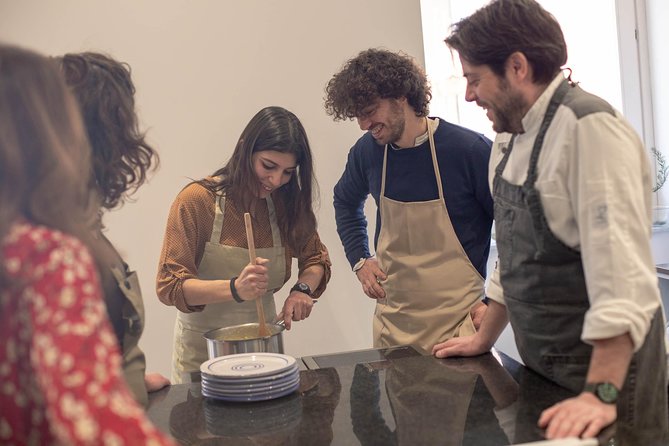
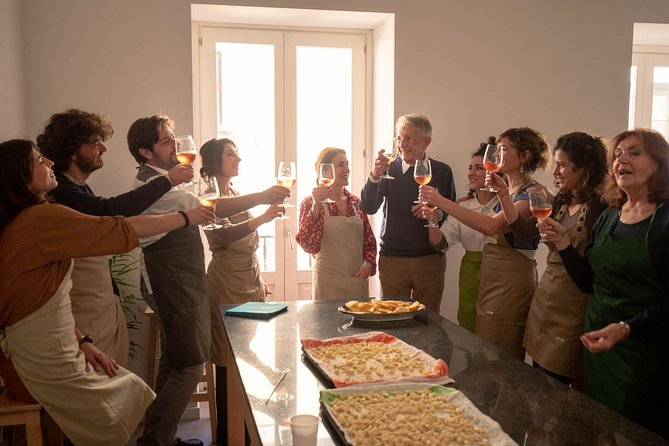
Once the cooking is done, everyone sits down to eat what the group has prepared. This shared meal is not an afterthought. It gives you time to taste the dishes together, compare techniques, and ask final questions while the work is still fresh.
Wine is included, along with water, coffee, and homemade liqueurs. Orange liqueur has been served, and the drink service helps turn the final meal into a relaxed Sicilian lunch or dinner rather than a rushed tasting.
The four-course structure offers good variety. You may begin with a fried or vegetable starter, move into pasta, continue with meat or fish, and finish with a dessert such as cannoli, cassata, or almond granita. Portions are described as generous enough for a full meal without becoming unmanageable.
The social side is part of the appeal. The group maximum is eight, and several class sizes have been around six participants. That is small enough for Michael and his assistants to watch what you are doing, answer questions, and include everyone at the worktable.
This also means the experience depends partly on the group. If you want a completely private class or a silent, highly technical lesson, this may not be the right fit. If you enjoy conversation, wine, and meeting other people over food, the format makes sense.
Booked from the same base, and a completely different kind of day:
- Palermo: NO Mafia Walking Tour
★ 4.8 · 2,431 reviews - Palermo: Hop-on Hop-off Bus Tour 24-hour Ticket
★ 3.9 · 2,410 reviews - Palermo Original Street Food Walking Tour by Streaty
★ 5.0 · 2,105 reviews - Segesta, Erice and Salt Pans Full-Day Excursion from Palermo
★ 4.2 · 1,791 reviews
What makes Michael’s teaching useful
Michael’s role is one of the strongest reasons to book. He teaches in excellent English and combines cooking instruction with stories about Palermo, Sicilian ingredients, and the background of the dishes.
The teaching is practical. You learn techniques you can use later, such as preparing fresh pasta, frying panelle, seasoning breadcrumbs, working with artichokes, and balancing sweet and savory flavors. Participants have also received recipes and a cookbook, which makes it easier to continue cooking the meal after returning home.
His tone is friendly and organized. The class is structured, but it does not feel rigid. You get direction at each stage while still having room to work with your hands and ask questions.
The assistants also help keep the pace moving. Elena and Melissa have both been part of classes, adding support and humor while the food is being prepared. That matters in a small kitchen, where several dishes may need attention at once.
Is $118.56 good value?
At $118.56 per person, this is not a cheap meal, but it includes much more than lunch. You receive a guided market visit, roughly four and a half hours of instruction and dining, all ingredients, hands-on cooking, four courses, wine, coffee, and homemade liqueurs.
The value is strongest if you want to learn. A restaurant meal in Palermo can give you excellent food, but it will not show you how to make pasta, clean artichokes, prepare panelle, or build a traditional dessert. This class also gives you context for dishes that might otherwise appear unfamiliar on a menu.
It is less compelling if you are mainly looking for a quick food tasting or a private chef meal. The experience takes most of a morning and early afternoon, and much of that time involves active preparation. You should choose it for the combination of food, instruction, and company.
The class is often booked well in advance, around 77 days on average. That is useful planning information: if you know your Palermo dates, reserve early, especially if you want a particular morning.
Who should book this Palermo cooking class?
I would recommend it to couples, families, solo visitors, and small groups who enjoy food and want a direct connection with local life. It works especially well for people who prefer doing rather than simply watching.
It also suits cooks at different levels. Beginners get close guidance, while experienced home cooks can pick up small details about pasta, frying, seasoning, and Sicilian ingredients. A 13-year-old participant enjoyed the class, so it can work for older children who are comfortable taking part in a kitchen.
You should think twice if you have severe food allergies, serious mobility issues, or a strict need for a fixed menu. The market may be affected by rain, and the food changes with the season. Those are not flaws for most people, but they are important practical facts.
The class is offered in English and accepts mobile tickets. It begins and ends at the meeting point near Porta Carini, so you do not need to arrange separate transportation between the market and the kitchen.
Should you book The Sicilian Pantry?
Book this class if you want to understand Palermo through its food, not just eat a plate of it. The market visit, the small group, Michael’s clear English instruction, and the final four-course meal make a strong package.
I would choose it over a generic pasta lesson because the menu reaches beyond pasta and includes Palermo specialties such as panelle, arancine, sardine pasta, cannoli, and almond granita. I would also choose it if you value useful skills you can take home.
Skip it if you need a guaranteed menu, cannot manage steep stairs, or prefer a quiet restaurant experience. For everyone else, this is a well-priced half-day built around real Sicilian cooking, good company, and a meal you help create.
FAQ
Where does the Sicilian cooking class begin?
The class begins near Porta Carini, at the entrance to Palermo’s Capo Market. The listed meeting point is Parcheggio ORLANDO at Piazza Vittorio Emanuele Orlando 49.
What time does the class start?
The experience starts at 10:00 a.m. and lasts approximately four hours and 30 minutes.
What food will I cook?
The meal includes a starter, pasta dish, main course, and dessert. Possible dishes include panelle, arancine, fried artichokes, fresh pasta, pasta con le sarde, meat rolls, breaded swordfish, cannoli, cassata, and almond granita. The exact menu depends on the season and market ingredients.
Is the class taught in English?
Yes. The class is offered in English, and chef Michael speaks excellent English.
Are drinks included?
Yes. The meal includes a selection of Sicilian wines, followed by coffee and homemade liqueurs.
How large is the cooking group?
The experience has a maximum of eight participants. Some classes have had around six people, plus the chef and an assistant.
Just added around Palermo
- Valley of the Temples and Villa Romana Multi-Language Tour★ 4.8 · 5 reviews
- Sicilian Winery Tour with Wine Tasting from Palermo★ 5.0 · 12 reviews
- Valley of the Temples★ 5.0 · 43 reviews
- Palermo: Medieval castles of Caccamo & Cefalù. Small Group Tour★ 5.0 · 24 reviews
- Traditional Sicilian Recipes in Palermo★ 5.0 · 4 reviews
- Private Transfer from/to Castellammare del Golfo★ 5.0 · 24 reviews
- UNESCO Day Trip – Monreale & Cefalù★ 5.0 · 6 reviews
- Palermo on a plate: Traditional Food & Wine tour (by Streaty)★ 5.0 · 119 reviews
Sicilian Cooking Classes, compared.
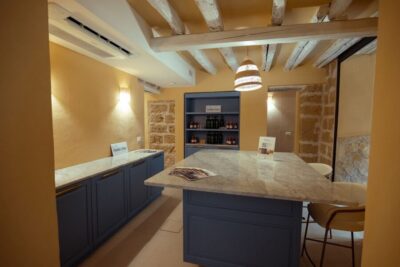
Pizza and Gelato Cooking Class with Dinner and Wine
Read our review →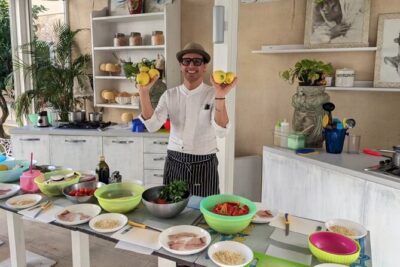
Seaview Cooking Class & Taormina local flavors with Chef Mimmo
Read our review →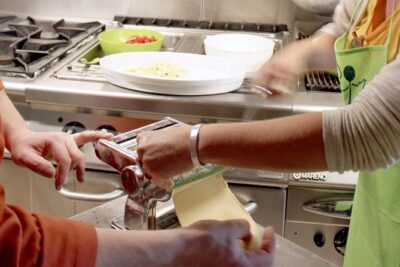
COOKING CLASS in Taormina at Chef Massimo HOUSE!!
Read our review →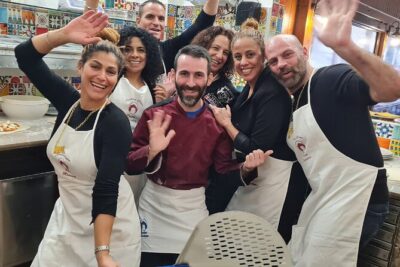
Cannolo Cooking Class with Completion Certificate
Read our review →
Pistachio Ravioli, Pasta Home Cooking Class w/ Wine
Read our review →Browse the lists this tour appears in