
Reviewed · MUSEUMS
Basic Tour of the Soap Museum in Sciacca
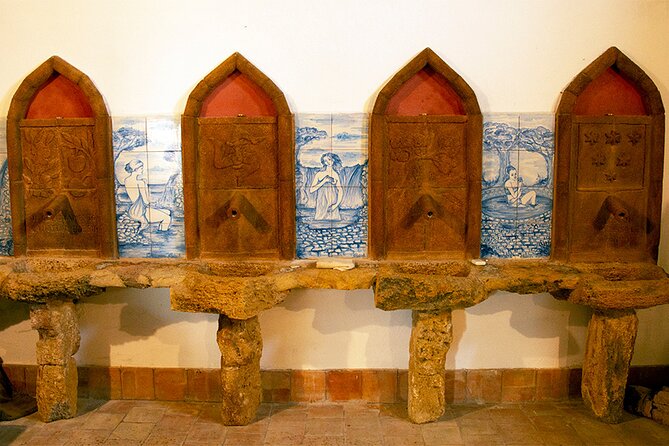
The most unusual stop in Sciacca may be a small museum devoted to soap making, housed in a restored 19th-century building with high ceilings and original stonework. Inside, you’ll connect an everyday household item with ancient Mediterranean craft, natural cosmetics, and rural Sicilian life.
I like the focused one-hour format and the chance to see two old presses, machinery, and agricultural tools rather than only display cases. The main consideration is location: you must arrange your own way to Via Cartabubbo, and the visit requires at least two people per booking.
Key points to know
- A 19th-century setting: Explore a restored building with high ceilings and original stonework.
- Soap from ancient to modern times: Learn about production said to date back to 2800 B.C.
- Old working equipment: See machinery, two presses, and agricultural tools from southwest Sicily.
- Private English visit: Your group takes part on its own, with the tour offered in English.
- Low admission cost: At $8.43 per person, the visit is a modestly priced cultural stop.
- Simple planning: The one-hour visit begins and ends at Via Cartabubbo, with transport not included.
A soap museum in a restored Sicilian building
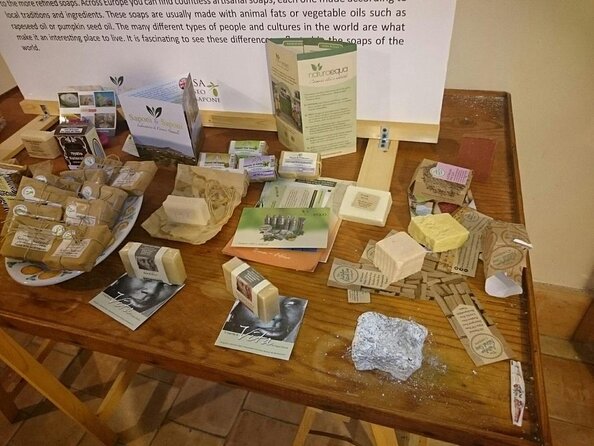
Sciacca is better known for its thermal traditions, old town, and position on Sicily’s southwest coast. Casa Museo del Sapone gives you a different way to understand the area. Instead of focusing on grand churches or famous paintings, it uses soap, natural ingredients, machines, and rural tools to explain a practical part of Mediterranean life.
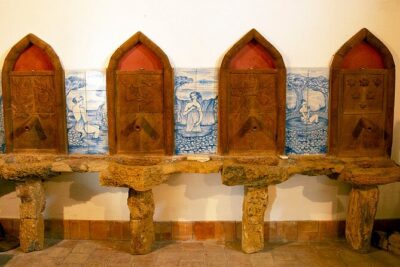
The museum occupies an old restored building from the 19th century. High ceilings and original stonework give the visit a sense of place before the explanation even begins. This is not simply a modern room filled with packaged products. The building itself helps frame the subject, showing how production once took place in a more hands-on setting.
I find that appealing because soap is familiar to everyone, yet few people stop to ask how it was made before industrial production. A visit here gives you a reason to look more closely at a basic product. You learn about the science and technical steps behind it, while also seeing the tools that made production possible.
The subject reaches far back. The museum presents soap as a product made as early as 2800 B.C., placing this small Sicilian visit within a much longer Mediterranean story. You should not expect a large archaeological museum or a full survey of ancient civilization. Instead, expect a concentrated look at one useful product and the skills connected to it.
More museums and sites in Sicily:
- Guided tour of the Trapani Salt Pans and Salt Museum
★ 4.7 · 423 reviews - Guided tour of the salt pans of Trapani and the Salt Museum
★ 5.0 · 188 reviews - Tile Museum – Majolica Museum – Rooms at the Genius
★ 5.0 · 85 reviews
What happens during the one-hour visit
The full experience lasts about one hour, and the admission ticket is included. Since the activity takes place at one location, you will not spend your time moving between several sights or waiting for transport. You arrive at Via Cartabubbo, 30, in Sciacca, take the guided visit, and finish back at the same meeting point.
That compact format works well if you are building a day around several sights. You can fit the museum into a broader visit to Sciacca without giving up half a day. It also suits you if you enjoy smaller museums but do not want a long, highly technical tour.
The visit centers on the story of soap, including its history, science, and production methods. The description points to an interest in natural cosmetics as well, so the explanation is not limited to old machinery. You can expect the guide to connect the making of soap with natural materials and traditional Mediterranean practices.
The exact order of the presentation is not specified, so I would allow the guide to set the pace. The small format should leave room for attention to the objects and the building rather than rushing through a long list of rooms. Since the tour is private, only your own group takes part. That is useful if you want to ask questions or need the explanation to move at a comfortable speed.
Old presses and tools from southwest Sicily
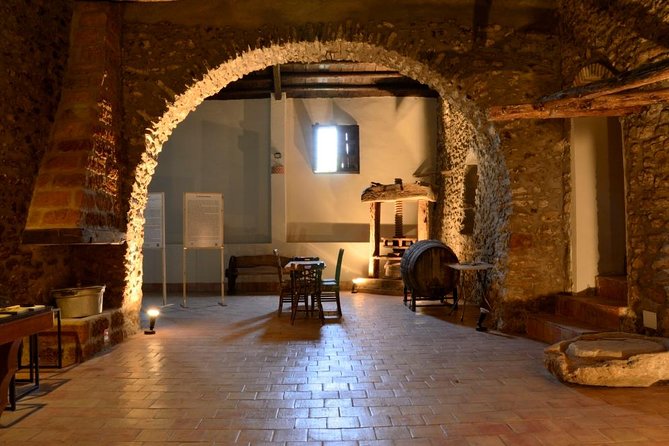
The most concrete part of the visit is the collection of old equipment. You will see old machines, two old presses, and agricultural tools typical of southwest Sicily. These objects help turn an abstract story about soap into something you can inspect.
The presses are especially worth noting. A press shows the physical side of production, where pressure and manual work mattered. The agricultural tools add a wider rural context. They suggest that the museum is interested not only in the finished bar of soap, but also in the work, materials, and local setting that supported traditional production.
You should keep your expectations in proportion to the price and duration. This is a small, specialized museum visit, not a large industrial museum with a long sequence of working demonstrations. The supplied details do not promise live soap making, a hands-on workshop, or a shop visit. If those are essential to your plans, confirm them before booking.
Still, the equipment gives the hour a clear purpose. You are not simply listening to a talk about a distant subject. You can look at the machines and tools while learning why they mattered. For anyone interested in craft, local production, old technology, or natural cosmetics, that combination is the strongest reason to go.
Why the Mediterranean setting matters
Soap has a practical connection to everyday life, but its production also reflects regional resources and customs. The museum presents the subject through a traditional Mediterranean approach, which gives the visit a local frame rather than treating soap as a generic household item.
That matters in Sicily. A small museum can reveal how ordinary work shaped a community just as much as formal monuments did. The agricultural tools from southwest Sicily help make that connection. They point toward the land and rural labor behind local production, even though the available information does not list each tool or explain which materials were processed.
The museum also draws on experience in making soap and natural cosmetics. This gives the presentation a practical side. You are likely to hear not only when soap first appeared, but also how it works and what technical choices affect production. The description specifically highlights history, science, and technical details, so you should expect more than a general introduction.
I would recommend paying attention to the link between old methods and modern interest in natural cosmetics. Many people now seek simple ingredients and traditional production for reasons of health, habit, or environmental concern. The visit lets you consider those ideas in a historical setting without turning the experience into a modern shopping stop.
A few more Sicily days worth weighing up
- Etna Morning Trip
★ 4.5 · 1,241 reviews - Syracuse: Boat Trip of Ortigia Island and Sea Caves
★ 4.7 · 937 reviews - Tour of the island of Ortigia and exploration of sea caves with baths.
★ 5.0 · 668 reviews - Pub Crawl Palermo
★ 5.0 · 595 reviews
A private English tour for a small group
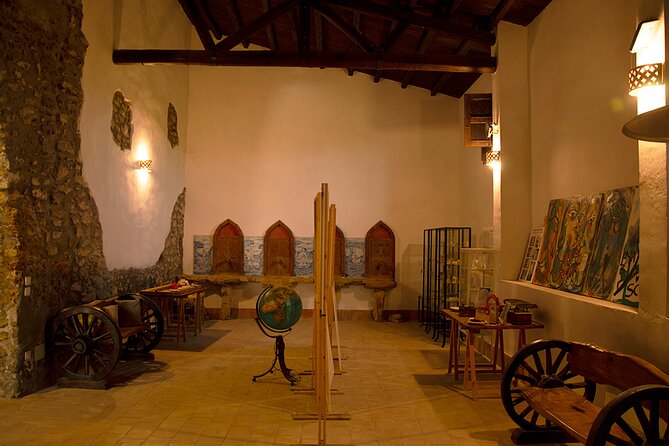
The tour is offered in English and is private, meaning only your group participates. That arrangement is one of the more useful features for a specialized subject. You do not have to follow the pace of a large mixed group, and the guide can keep the presentation centered on your interests.
A private visit also helps if one person in your group is especially curious about machinery, while another wants more background on natural cosmetics or Mediterranean traditions. The available information does not name the guide, so you should not book expecting a particular presenter. What is clear is that the visit is designed as a guided explanation rather than a self-directed walk through the building.
There is a minimum of two people per booking. Solo visitors should plan accordingly, since the listed experience is not arranged for a one-person reservation. The private format may also make the $8.43 price slightly less simple to assess. At that amount per person, two people pay $16.86 before any other personal costs, with all tour fees and taxes included.
For a short private cultural experience, that remains a modest price. The value is strongest if you already plan to be in Sciacca and can reach the meeting point easily. If you must arrange a costly taxi or complicated transfer just for this one-hour stop, transportation may become the main part of your budget.
Getting to Via Cartabubbo
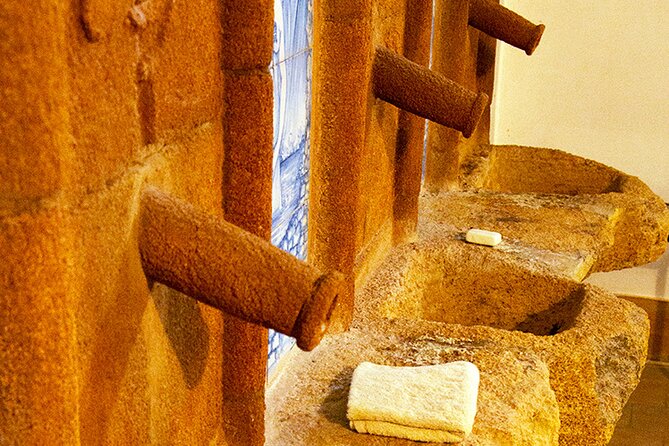
The meeting point is Via Cartabubbo, 30, 92019 Sciacca AG, Italy. The activity ends at the same location. Hotel pickup, hotel drop-off, and transport to or from the attraction are not included, so you need to handle the journey yourself.
This is the key planning issue. The museum may be easy to add if you have a car or are already arranging a local transfer. It is less convenient if you are relying entirely on a hotel shuttle or expecting a tour company to collect you. Check your route before reserving, and leave enough time to arrive at the stated meeting point.
The activity provides a mobile ticket, which keeps the booking simple. Confirmation arrives at the time of booking, so you should have the details available on your phone. Smart casual clothing is requested, a straightforward standard for a museum visit.
Service animals are allowed, and most people can participate. The information does not give details about specific mobility features in the building, such as step-free access or lift availability. If you need those arrangements, ask before booking rather than assuming the restored 19th-century building has modern access features.
Who will get the most from this visit
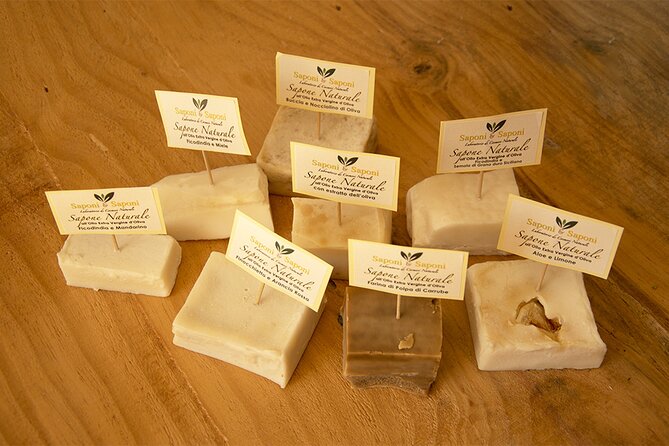
I would choose this museum for someone who enjoys local crafts and small, highly focused attractions. It suits people who want to understand how an everyday product developed, especially when that story includes old machinery and regional tools.
It also works for visitors interested in natural cosmetics. The tour grows from practical experience with soap and cosmetic production, so the subject has a present-day connection as well as an old one. You do not need to be a specialist. The one-hour length keeps the topic approachable.
Families may appreciate the manageable duration, though the description does not specify child-focused activities or demonstrations. Couples and small groups can make good use of the private format, particularly if they prefer asking questions rather than joining a large scheduled group.
I would be more cautious if your main goal is a hands-on workshop. The available details promise an explanation and a look at old equipment, but they do not say that you will make soap yourself. The same applies if you are looking for a major sightseeing landmark. This is an intimate, subject-specific stop, not a headline attraction with a long list of rooms.
How the price compares with the experience
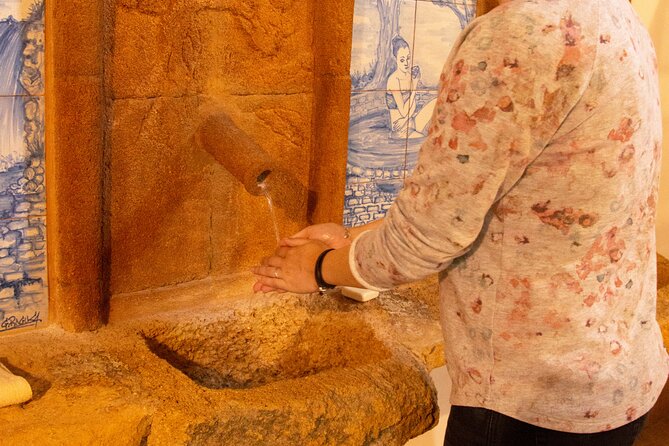
At $8.43 per person, the admission is easy to justify if you are nearby. All fees and taxes are included, so the listed price does not leave you calculating extra entry charges. The one-hour duration gives you a clear sense of what you are buying: a compact guided visit with a private group and a specialized collection.
The price is especially fair for people who value explanation. A self-guided look at old presses might take only a few minutes, but the guide’s account of soap history, science, and production gives the objects meaning. The value depends less on the size of the museum than on your interest in the subject.
Remember to add your own transport costs. Because pickup and drop-off are excluded, the total cost can vary depending on where you are staying and how you reach Via Cartabubbo. I would not travel a great distance solely for a one-hour visit unless soap making or local craft is a strong personal interest.
The private format is another part of the calculation. You pay a low per-person rate, but at least two people must book. For a pair already spending time in Sciacca, this is a low-risk cultural addition. For a solo visitor, the booking requirement may be the deciding factor.
Booking, cancellation, and practical limits
Confirmation is provided when you book, and the mobile ticket makes it easy to keep the reservation with you. The activity is offered in English, which removes a major uncertainty for English-speaking visitors.
Free cancellation is available if you cancel at least 24 hours before the experience begins. Canceling less than 24 hours before the start time means the amount paid is not refunded, and changes made inside that same 24-hour window are not accepted. The cut-off follows local time in Sicily, so check the start time carefully if you are booking from another time zone.
I would reserve only after checking your transport plan. This is not because the booking is difficult, but because the meeting point and lack of included transfers are the two details most likely to cause trouble. Once those are settled, the visit is easy to fit into a day.
Should you book Casa Museo del Sapone?
Book it if you like small local museums, old tools, traditional production, and the story behind ordinary objects. The restored 19th-century building, two old presses, and agricultural equipment give the visit a tangible connection to southwest Sicily. The private English format and one-hour schedule make it approachable, while the $8.43 price keeps the cost low.
Skip it if you want a hands-on soap-making class, a large museum, or included transportation. Those features are not promised. For the right visitor, though, Casa Museo del Sapone offers a pleasant change from Sicily’s better-known monuments and a useful lesson in how an everyday product connects science, craft, and local life.
FAQ
Where does the soap museum tour begin?
The tour begins at Via Cartabubbo, 30, 92019 Sciacca AG, Italy.
Where does the activity finish?
The visit ends back at the meeting point on Via Cartabubbo.
How long does the soap museum tour last?
The tour lasts approximately one hour.
Is the tour offered in English?
Yes. The activity is offered in English.
Is transportation included?
No. Hotel pickup, hotel drop-off, and transportation to or from the attraction are not included.
Can I cancel for a full refund?
Yes, if you cancel at least 24 hours before the experience start time. Cancellations or changes made less than 24 hours before the start time are not accepted for a refund.
Just added around Sicily
- Zafferana Etnea:Honey extraction workshop and honey tasting★ 4.7 · 3 reviews
- From Trapani: Favignana and Levanzo Yacht Tour with Stops★ 5.0 · 4 reviews
- Mt Etna: Winter Trekking Tour with Optional Catania Transfer★ 4.7 · 13 reviews
- Wine tour with wine tasting★ 4.7 · 18 reviews
- Sicilian Soul: Winery Tour, Wine & Food Tasting in Catania★ 5.0 · 4 reviews
- Wine tasting in Catania Historic center★ 4.4 · 15 reviews
- Valley Of The Temples By E-Bike With Picnic Included★ 4.7 · 7 reviews
- Valley of the Temples and Villa Romana Multi-Language Tour★ 4.8 · 5 reviews
Museums, compared.
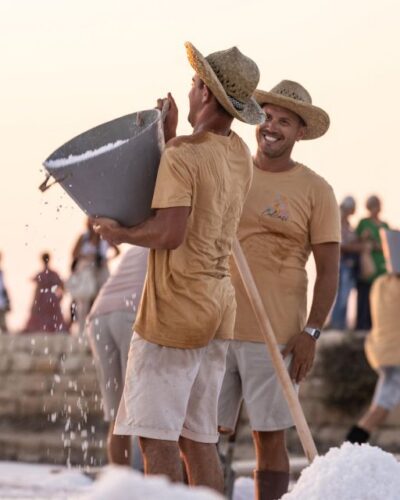
Guided tour of the Trapani Salt Pans and Salt Museum
Read our review →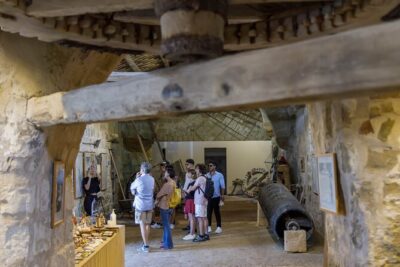
Guided tour of the salt pans of Trapani and the Salt Museum
Read our review →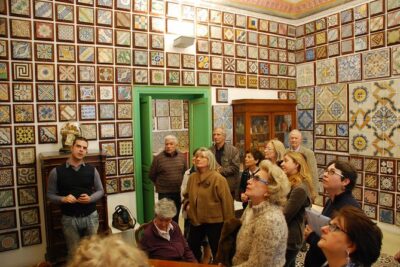
Tile Museum – Majolica Museum – Rooms at the Genius
Read our review →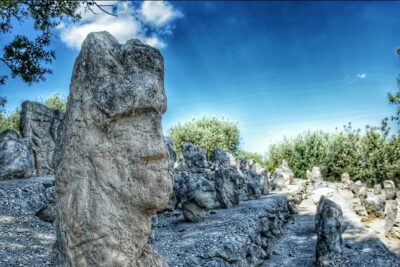

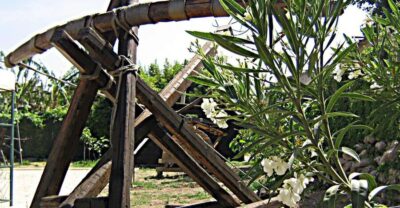
Tour and Soap personalization at the Soap Museum in Sciacca
Read our review →
Guided tour of the Archaeological Museum of Aidone Morgantina.
Read our review →Browse the lists this tour appears in