
Reviewed · SICILIAN PASTA MAKING CLASSES
Catania Home Cooking: Pistachio Ravioli, Sicilian Pasta & Wine
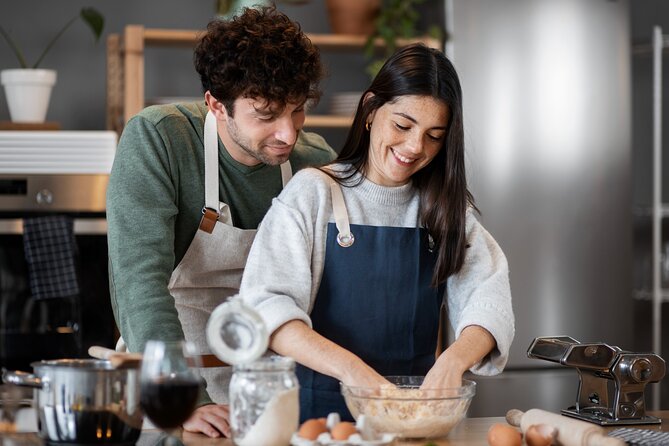
Catania’s best food lesson may be the one that leaves you with flour on your hands and a Sicilian dinner in front of you. In about three hours, you’ll shape pistachio-filled ravioli, make caserecce and gnocchetti, then sit down to eat your work with local wine. The dessert might be cannolamisù, biancomangiare or a deconstructed cannoli.
I like the small six-person limit, which gives this home class a more personal feel than a large cooking school. I also like the useful range of recipes: you learn several pasta shapes and sauces, not just one dish. The main consideration is that this takes place in a private home, so the setting and kitchen routine may feel less polished than a professional culinary studio.
Key points at a glance
- Pistachio ravioli is the centerpiece: You’ll work with a distinctly Sicilian ingredient and make filled pasta by hand.
- Several pasta shapes in one class: Caserecce and gnocchetti join the ravioli, giving you techniques to repeat at home.
- Classic sauces add local character: Expect Norma dressing, Trapanese pesto, Aeolian-style sauce and related Sicilian flavors.
- Dessert changes with the host: Possibilities include cannolamisù, biancomangiare or deconstructed cannoli.
- A true home-table format: Bruschette, wine and conversation make this as much a social meal as a cooking lesson.
- Small but not fully formal: The group may have only two to six people, though home conditions can vary.
A Sicilian kitchen in central Catania
You meet at Via E. A. Pantano 112 in Catania, and the activity returns to the same address. That simple arrangement matters. You do not need to follow a guide across several parts of town, and you can plan the rest of your evening around one fixed location.
This is a home cooking experience rather than a restaurant demonstration. You are there to handle ingredients, learn the basic method and then eat the finished meal. The tone can change depending on the host assigned to your date. Past sessions have included hosts named Angela, Anna, Daniela, Francesco, Barbi, Silvia and Antonio, so do not assume one particular teacher will lead every class.
The activity is offered in English, but the level of English support may vary by host. One especially positive evening worked well with Google Translate when the host’s son could not attend to translate. That is a useful practical point: you do not need fluent Italian, but patience and a willingness to work things out will help.
The group size is capped at six, with at least two people required to book. For couples, families and small groups of friends, this is a comfortable format. You are less likely to disappear into the back row, and there should be room for direct help while shaping pasta.
More farm and pistachio visits near Sicily:
- Catania: Pistachio Ravioli, Pasta Home Cooking Class w/ Wine
★ 4.7 · 204 reviews - Alcamo Farm Animals and Aromatic Garden
★ 4.0 · 45 reviews - Catania: Pozzo di Gaspare Farm Guided Tour with Tastings
★ 5.0 · 34 reviews
Starting with bruschette and Sicilian flavors
The meal begins with gourmet bruschette. One version uses the familiar tomato topping, while other combinations can include pear and sun-dried tomato. That contrast gives you a quick introduction to the style of the class: familiar Italian food, but with combinations that feel more tied to the host’s own kitchen.
Bruschette are also a sensible first course for a cooking lesson. They require less time than filled pasta, so you can settle in, taste a few ingredients and begin talking before the more exact work starts. If you are hoping for a formal lesson on every item, keep your expectations in check. The strongest part of this experience is the hands-on pasta work and the shared meal, not a professional chef’s lecture on culinary theory.
The opening food also helps set the pace. This is not a rushed tasting in which small plates arrive one after another. You will likely spend time preparing, talking and waiting for dough or sauces to come together. That slower rhythm is part of the home setting.
Making three kinds of fresh pasta
The main lesson focuses on handmade pasta, with pistachio-filled ravioli, caserecce and gnocchetti listed among the dishes. Each shape gives you a different skill to take home.
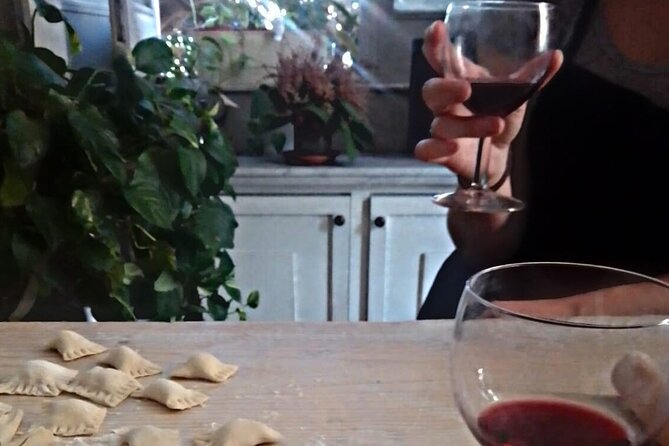
The ravioli is the most distinctive. Pistachios are strongly associated with Sicilian cooking, especially the island’s famous pistachio-growing areas, and they bring a sweet, nutty note to the filling. Shaping filled pasta also teaches more than rolling dough. You need to portion the filling, seal the edges and avoid trapping too much air. Those small details are what separate homemade ravioli that holds together from ravioli that opens in the pot.
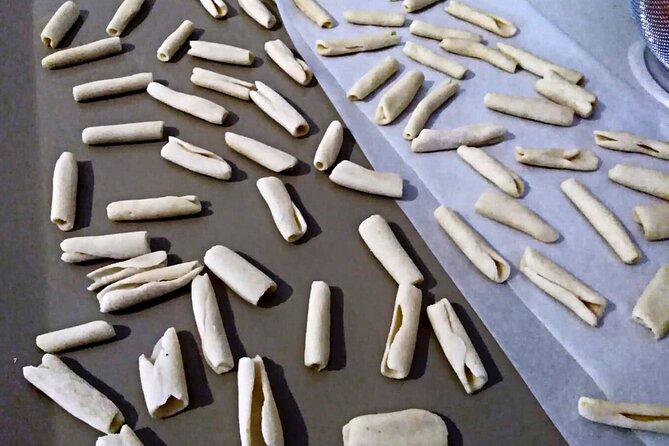
Caserecce are short, twisted pieces with folds that catch sauce. They are less delicate than ravioli and more forgiving for a home cook who wants to repeat the recipe later. Gnocchetti give you another texture and shape, often with a soft, compact bite. Learning all three in one evening makes the class more useful than a lesson built around a single pasta form.
The exact balance between watching and doing may depend on the host and the group. Past sessions included people who already had experience rolling pasta, yet still picked up a new method. If you are a beginner, you should get practical help. If you cook often, you may appreciate the chance to compare your usual technique with a Sicilian one.
Three sauces, three different sides of Sicily
The pasta is paired with sauces such as Norma, Trapanese pesto and an Aeolian-style dressing. This is where the class moves beyond basic pasta making.
Norma is one of Catania’s signature combinations, traditionally built around tomato, eggplant, basil and ricotta salata. Even when the exact preparation varies, the name connects the dish to the city itself. Trapanese pesto comes from western Sicily and commonly brings together tomato, almonds, garlic and basil. An Aeolian-style sauce points toward the island group north of Sicily, with the kind of bold Mediterranean ingredients that suit a home kitchen.
The value here is variety. You are not simply learning to make pasta and then coating it in one generic sauce. You get a taste of different Sicilian traditions and a better sense of how the same fresh dough can change character at the table.
You should ask questions as you cook, especially about substitutions and quantities. The information supplied for this experience does not promise a printed recipe booklet, so bring your phone if you want to record notes. Take pictures of the dough texture, sauce consistency and finished plates. Those visual reminders may be more useful than trying to remember every step later.
More Pasta Making Classes in Sicily:
- Taormina: Godfather Vs Mafia Tour with Pasta Lunch
★ 4.8 · 313 reviews - Godfather vs Mafia Tour & Pasta Lunch (Small Group or Private)
★ 5.0 · 304 reviews - From Taormina: Private/Guided Godfather with appetizer and Pasta
★ 5.0 · 233 reviews - Pasta Class Cook Traditional -Sciacca-Wine included-Shuttle extra
★ 5.0 · 148 reviews
Dessert with ricotta at the finish
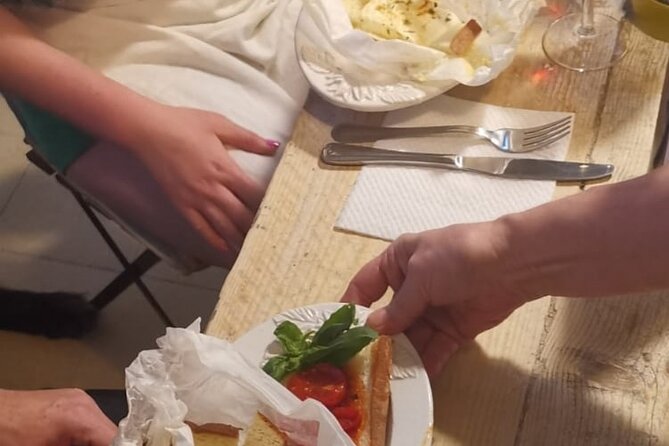
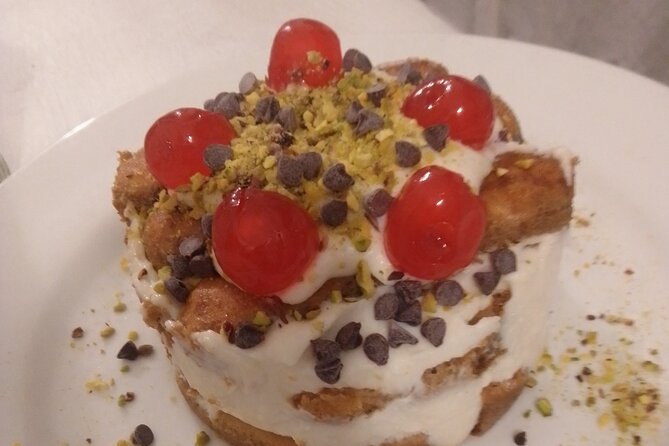
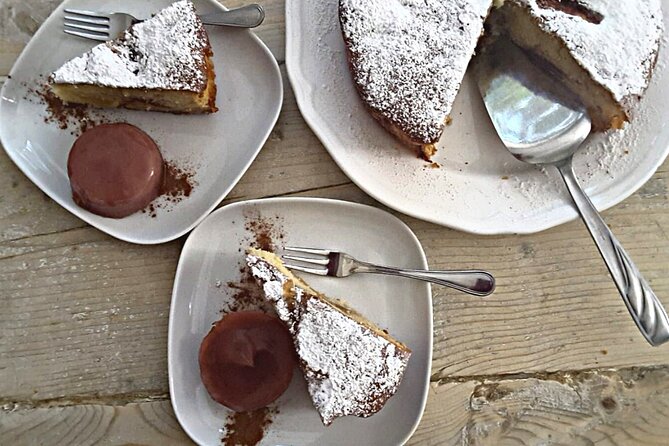
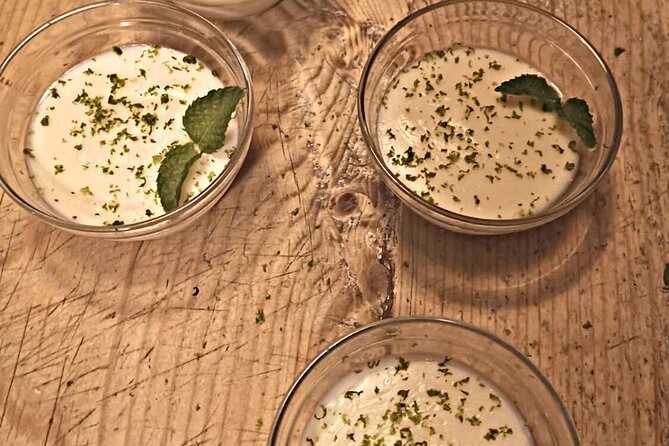
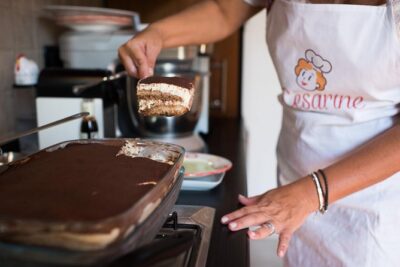
Dessert may be biancomangiare, a deconstructed cannoli or cannolamisù. The last option is a playful Sicilian take on tiramisu, using creamy ricotta in place of the more familiar mascarpone profile.
This part of the meal can vary more than the pasta. One past session had a dessert prepared in advance, described as a gelatin-style pudding, while other sessions featured a fuller multi-course meal. That means you should see dessert as a pleasant extra rather than the main reason to book.
Cannolamisù is likely the most memorable possibility because it links a classic Sicilian pastry with a widely known Italian dessert. If you are particularly interested in the dessert preparation, ask at the start how much you will make yourself. The listing allows for different dessert choices, and the level of hands-on work may not be identical each time.
Wine, conversation and the home-table experience
Once the dishes are ready, you eat what you prepared with local wine. This is one of the class’s strongest features. You are not just carrying a recipe home in your head. You are tasting the result while the steps are still fresh.
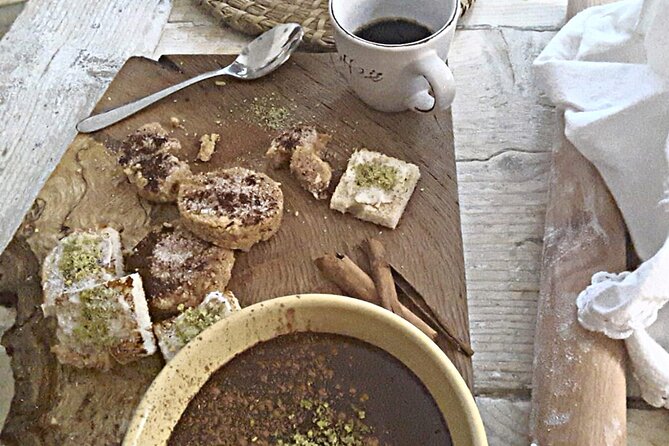
Past evenings have included four-course meals, wine and after-dinner conversation over homemade limoncello and walnut liqueur. Those extras are not stated as a guaranteed part of every booking, so treat them as possible hospitality rather than promised inclusions. The dependable offer is the cooking lesson, the prepared food and fine local wine.
The social side can be especially good for people who want more than a standard restaurant meal. Hosts have shared cooking ideas, family-style conversation and suggestions for what to do next in Italy. One host, Anna, even offered recommendations for the following day in Naples. That kind of exchange is hard to get from a normal food tour.
You should also be comfortable with a relaxed home atmosphere. A private apartment may include pets or ordinary household clutter. One sharply negative account raised concerns about dogs, smoking and kitchen hygiene, while other accounts described a warm, generous home and a very enjoyable meal. The fair takeaway is simple: if you are sensitive to animals, smoke or informal kitchen conditions, ask about those points before booking and state any concerns clearly.
How the $106.04 price compares
At $106.04 per person, this is not a cheap pasta demonstration. The price makes more sense if you value the full package: about three hours, hands-on instruction, several pasta shapes, sauces, a starter, dessert and wine.
A restaurant meal alone might cost less, especially if you choose a simple trattoria. But a restaurant will not normally give you time with a host, practice making ravioli or explain how to repeat the dishes at home. A formal cooking school may offer better equipment and a more structured curriculum, but it may also feel less personal.
The value depends on what you want from the evening. I would consider it fair for a visitor who wants food, instruction and conversation in one booking. It is less convincing if you only want to eat, or if you expect a spotless professional kitchen and a printed culinary course.
The small group improves the value. With only two to six people, you are paying for access to the host rather than simply watching from a crowded table. For a family buying the class as a shared activity, the meal and the time together may justify the cost more easily than it would for a solo diner.
Who will enjoy this Catania cooking class
I would choose this experience for you if you:
- Like learning by doing rather than watching a chef work alone.
- Want Sicilian recipes you can try at home.
- Enjoy meeting local people in a private setting.
- Are curious about several types of fresh pasta.
- Like a long meal with wine and conversation.
- Are traveling as a couple, family or small group.
It is also a strong choice for a special gift. One family received the experience as a Christmas present and made spinach and feta tortellinis before sitting down to a four-course meal. That session shows how the menu can sometimes differ from the advertised pistachio ravioli format.
I would hesitate if you need a strictly standardized menu, formal sanitation procedures, quiet surroundings or a fully professional kitchen. I would also confirm the dessert and menu details if a particular dish matters to you. The class has a home-hosted character, and that is both its appeal and its main limitation.
Practical details before you book
You receive confirmation when booking, and the ticket is available on your mobile. The meeting address is Via E. A. Pantano 112, 95129 Catania CT, Italy. The class ends at the same point, so arrange your onward plans with that in mind.
Tell the provider about allergies or food intolerances in advance. This is especially important in a class involving pasta, nuts, dairy, ricotta, wine and several sauces. Pistachios and almonds may be part of the food served, so do not wait until you arrive to raise a concern.
The experience requires at least two people per booking and accepts no more than six. It lasts approximately three hours. Free cancellation is available if you cancel at least 24 hours before the local start time. Cancellations or changes made inside that window are not refunded or accepted.
Should you book it?
Book this Catania cooking class if you want a personal, food-centered evening and are happy with the informal nature of a private home. The handmade pistachio ravioli, multiple pasta shapes, Sicilian sauces and local wine give you plenty to eat and learn, while the small group keeps the setting friendly.
Skip it if you want a polished cooking studio, a guaranteed fixed menu or a purely restaurant-style dinner. Before paying, confirm the host, the expected dessert and any concerns about pets or household conditions. For the right kind of food lover, this is a useful and memorable way to spend an evening in Catania, with recipes that can follow you home.
FAQ
Where does the Catania cooking class meet?
It meets at Via E. A. Pantano 112, 95129 Catania CT, Italy.
Where does the experience end?
The activity ends back at the meeting point.
How long does the cooking class last?
The experience lasts approximately three hours.
How many people can join?
The maximum group size is six people.
Is there a minimum number of people required?
Yes. A minimum of two people is required for each booking.
Is the class offered in English?
Yes. The experience is offered in English.
What pasta will I make?
The menu includes pistachio-filled ravioli, caserecce and gnocchetti, paired with Sicilian sauces.
What dessert might be served?
Possible desserts include biancomangiare, deconstructed cannoli and cannolamisù, a ricotta-based twist on tiramisu.
Can I cancel for a full refund?
Yes, if you cancel at least 24 hours before the experience start time. Cancellations made less than 24 hours in advance are not refunded.
More Cooking Classes in Sicily
- Seaview Cooking Class & Taormina local flavors with Chef Mimmo
★ 5.0 · 665 reviews - COOKING CLASS in Taormina at Chef Massimo HOUSE!!
★ 5.0 · 543 reviews - Sicilian Cooking Class
★ 5.0 · 289 reviews - Pizza Cooking Class
★ 5.0 · 225 reviews
More Wine Tastings in Sicily
- Palermo: Pizza and Gelato Cooking Class with Dinner and Wine
★ 4.9 · 951 reviews - Etna, Wine and Alcantara Tour – From Taormina
★ 5.0 · 464 reviews - Palermo: Wine Tasting with Snacks at Bottega Monteleone
★ 4.8 · 453 reviews - Taormina: Guided Etna Wine Tasting Half-Day Tour
★ 4.7 · 444 reviews
Just added around Sicily
- Zafferana Etnea:Honey extraction workshop and honey tasting★ 4.7 · 3 reviews
- From Trapani: Favignana and Levanzo Yacht Tour with Stops★ 5.0 · 4 reviews
- Mt Etna: Winter Trekking Tour with Optional Catania Transfer★ 4.7 · 13 reviews
- Wine tour with wine tasting★ 4.7 · 18 reviews
- Sicilian Soul: Winery Tour, Wine & Food Tasting in Catania★ 5.0 · 4 reviews
- Wine tasting in Catania Historic center★ 4.4 · 15 reviews
- Valley Of The Temples By E-Bike With Picnic Included★ 4.7 · 7 reviews
- Valley of the Temples and Villa Romana Multi-Language Tour★ 4.8 · 5 reviews
Sicilian Pasta Making Classes, compared.

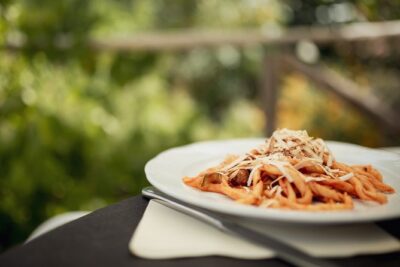
Godfather vs Mafia Tour & Pasta Lunch (Small Group or Private)
Read our review →
Private/Guided Godfather with appetizer and Pasta
Read our review →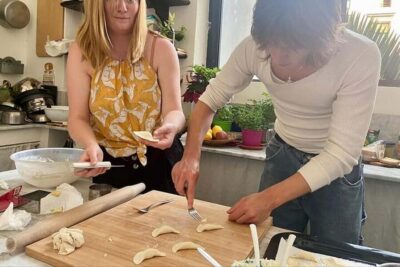
Pistachio Ravioli, Pasta Home Cooking Class w/ Wine
Read our review →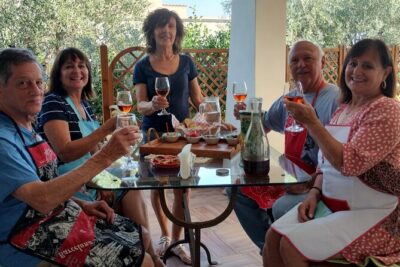
Pasta Class Cook Traditional -Sciacca-Wine included-Shuttle extra
Read our review →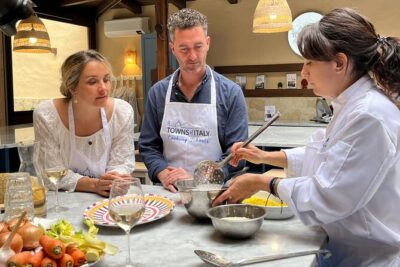
Small group Pasta and Tiramisu class in Palermo
Read our review →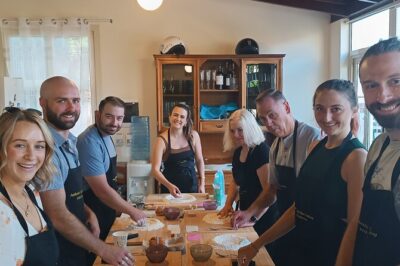
Browse the lists this tour appears in