
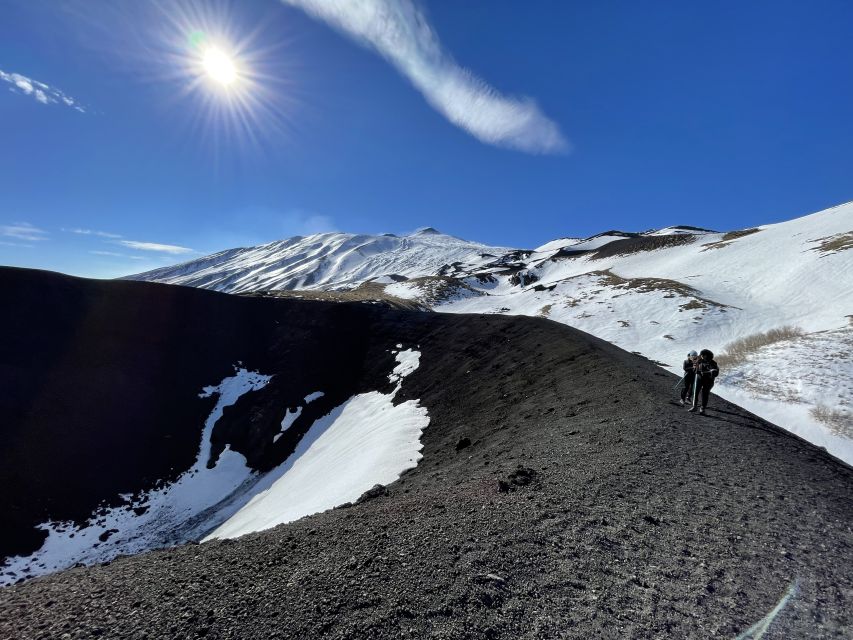
Reviewed · ETNA SUMMIT CRATER TREKS
Etna: Craters of the 2002 Eruption Trekking Experience
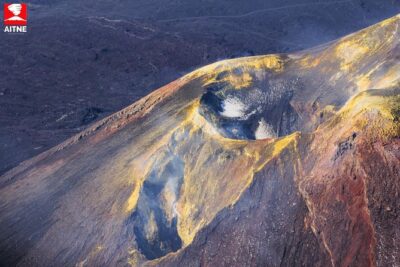
Etna’s 2002 eruption craters give you a close look at the force that reshaped the north side of Sicily. From Piano Provenzana, you walk past black lava, eruptive cracks, forest, cinder cones, and the remains of the Hotel dell Betulle, then return through a sandy volcanic channel.
I like two things here: the route brings the volcano’s story to life through real eruption sites, and the official guides make the geology easy to follow without turning the walk into a lecture. Guides such as Daniele, Davide, Vincenzo, and Niko have been praised for clear explanations, good humor, and careful pacing.
The main catch is physical effort and weather. This is not a flat stroll, and loose volcanic soil can shift under your feet. Wind, cold, snow, dizziness, and sudden changes in volcanic conditions can alter the route or stop the outing.
Key points to know before you book
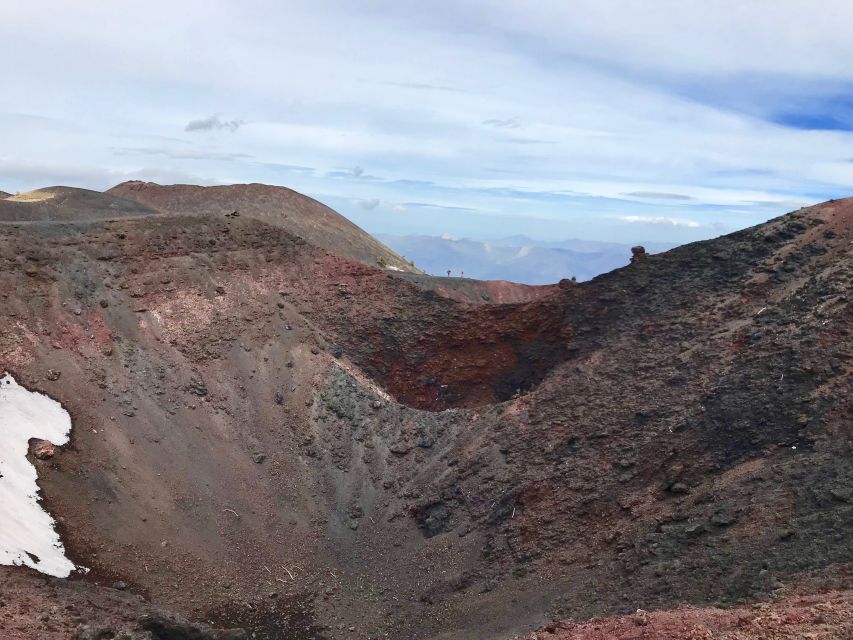
- The 2002 eruption is the focus: See the lava flow that threatened Linguaglossa and destroyed much of Piano Provenzana.
- The Hotel dell Betulle ruins remain visible: This is the only structure left clearly visible from the 2002 flow.
- The route takes about three hours: Your pace and the weather can make the outing longer or shorter.
- The guides add real value: Daniele, Davide, Vincenzo, and Niko are noted for clear science, humor, and helpful pacing.
- The terrain is rough volcanic ground: Wear proper hiking shoes, and rent snowshoes in winter if snow is present.
- The setting stays away from the busiest tourist areas: You get a quieter look at Etna’s north side, with views toward the Calabrian Coast.
Why the 2002 craters tell Etna’s story so well
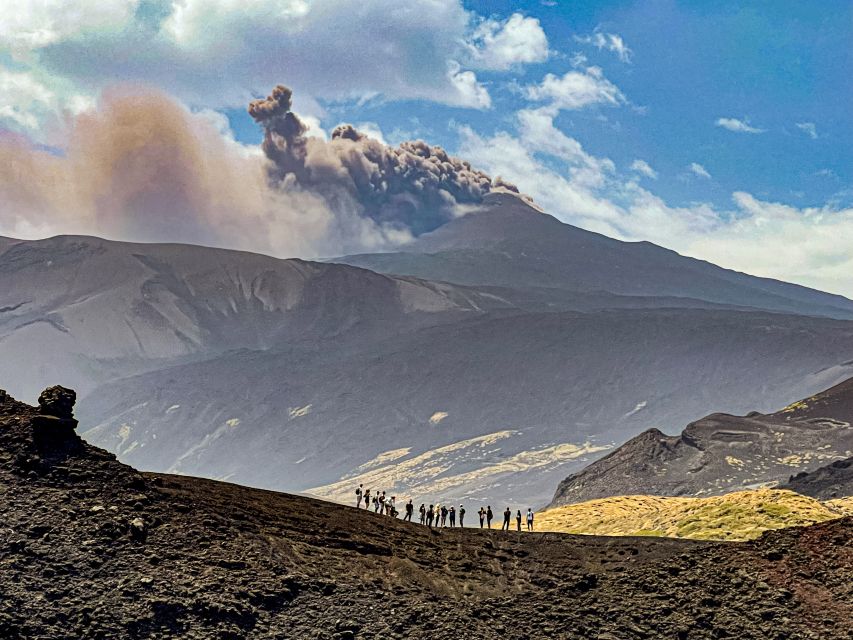
Etna is not just a mountain with a dramatic summit. It is an active volcano whose shape changes through repeated eruptions. On this walk, you see evidence of that process under your boots, not only from a distant viewpoint.
The 2002 eruption is especially important on Etna’s north side. Lava streams damaged Piano Provenzana and threatened Linguaglossa. The route uses these fresh-looking volcanic forms as an open-air lesson in how an eruption can redraw roads, forests, buildings, and slopes.
That makes this a better choice than a simple viewpoint stop if you want to understand what you are seeing. A guide can explain why one mound is a cinder cone, why a fracture opened in the ground, and how a lava flow moved across the slope.
The experience is also fairly focused. You are not spending the day on transport or waiting for a cable car. The walking begins near Piano Provenzana and stays centered on the volcanic features of the north side.
More treks to the summit craters:
- Mount Etna: Guided Volcano Summit Hiking Tour with Cable Car
★ 4.7 · 3,784 reviews - Etna Volcano: South Side Guided Summit Hike
★ 4.7 · 1,545 reviews - From Taormina: Etna Upper Craters Day Tour
★ 4.1 · 505 reviews
Starting at Piano Provenzana and the Mareneve meeting point
You meet at Chiosco Bar Mareneve, near the chairlift used by skiers in winter. This detail matters because another bar, Chiosco Bar Etna Nord, is in the lower parking area. Go to the Mareneve meeting point instead. It is described as the second of four buildings in the parking lot.
Parking costs €3 for the day, paid after the excursion. Transport from your accommodation is not included, so you need to arrange your own way to Piano Provenzana. The meeting point is practical for the route, but do not treat it like a hotel pickup tour.
The activity requires at least four participants in total. The guide leads in Italian, French, or English. The exact start time depends on availability, so check it carefully when booking and allow time to find the correct bar and put on your gear.
The price is $41 per person, which is fair for a three-hour guided outing with an official volcano guide and accident insurance. It becomes better value if you want interpretation of the eruption sites rather than simply walking around the mountain on your own.
You should also budget for possible extras. Hiking shoes can be rented locally for €5 per pair, snowshoes cost €12 per person when needed in winter, and parking is €3. Water, snacks, clothing, and trekking sticks are your responsibility.
Walking the dirt road toward Etna’s upper craters
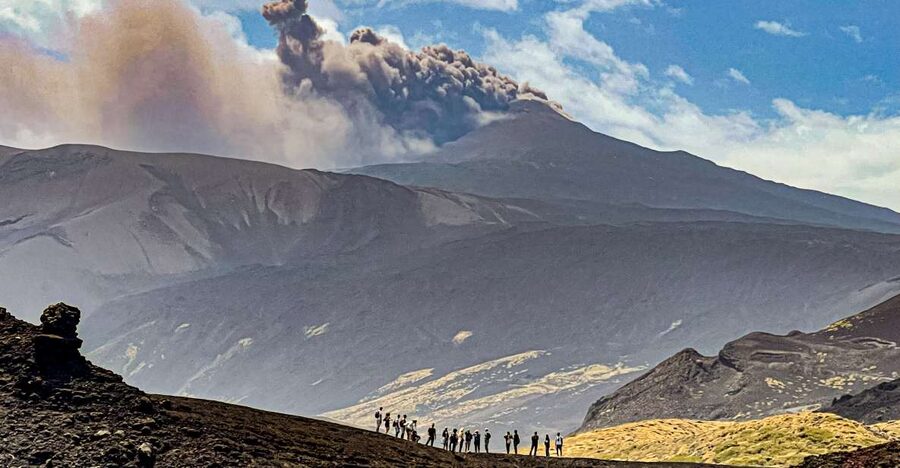
The route begins along the dirt road from Piano Provenzana toward Etna’s summit craters. You are not simply marching uphill without explanation. The guide pauses to point out volcanic shapes and connect them to eruptions on the north side.
Some sections are described as slow and manageable, with regular stops for explanations. Still, the official guidance places the outing at a medium training level. Those two points can both be true: the walk may feel easy for a regular hiker, but loose ground and uphill sections make it tiring if you rarely exercise.
The pace depends on the group. That is useful if you need time to look closely at the rock or catch your breath, but it also means the total timing is not completely fixed. The advertised duration is three hours, though one outing was reported as lasting four hours.
You will walk through forest before reaching more exposed volcanic ground. The change is striking. Trees give way to dark lava, open slopes, ash, and low volcanic cones. The contrast helps you see how the eruption affected different parts of the mountain.
Bring a daypack rather than luggage or a large bag. You need room for water, a jacket, snacks, sunscreen, and perhaps extra gloves or a hat. Sandals, flip-flops, slippers, skirts, high heels, and strollers are not suitable.
The Hotel dell Betulle ruins and the 2002 lava flow
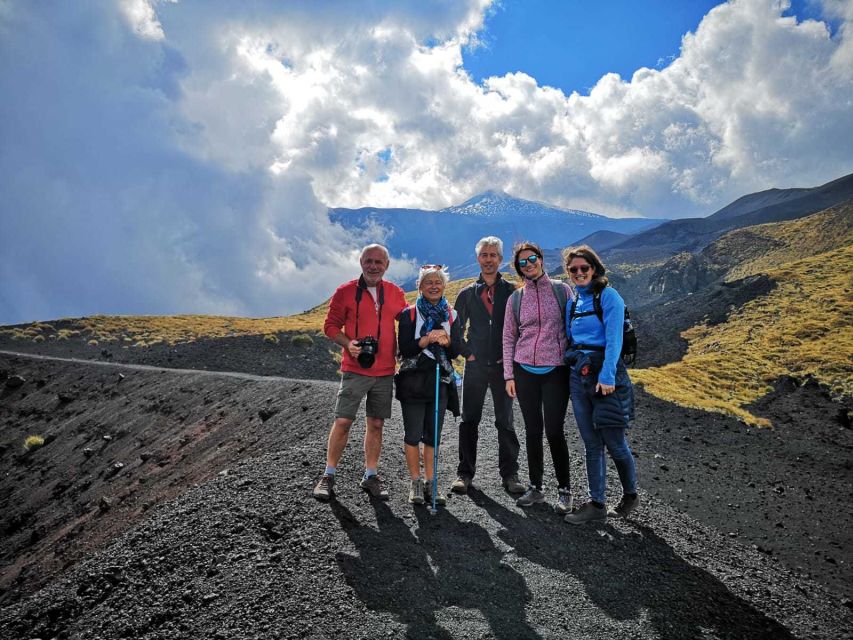
One of the most meaningful stops is the ruined Hotel dell Betulle. It is the only visible structure left from the lava flow that occurred in 2002, so it gives the eruption a human scale.
A black volcanic field can be visually impressive but abstract. A building ruin changes that. You can see exactly what the lava reached and understand that Piano Provenzana was not merely covered by ash from a distant event. The eruption directly altered the local settlement.
This is also where the guide’s role becomes most useful. Daniele has used personal videos and photographs of the eruption to explain what happened. Other guides, including Vincenzo and Davide, are praised for combining scientific detail with humor and clear storytelling.
Do not expect a museum-style stop with indoor exhibits. The evidence is outdoors, exposed to wind and weather. You look at the remains, the lava textures, and the surrounding forms while standing on uneven ground.
If you want a polished sightseeing experience with seats and signs, this will feel basic. If you like seeing the actual remains of a recent geological event, it is one of the strongest parts of the walk.
More Trekking Tours in Mount Etna:
- Catania: Mount Etna Trekking Trip off the Tourist Path
★ 4.9 · 1,351 reviews - From Taormina: Etna Tour with Hiking, Cave Visit, & Tastings
★ 4.7 · 518 reviews - Etna excursion 3000 meters with 4×4 cable car and Trekking
★ 4.5 · 504 reviews - From Taormina: Half-Day Mount Etna Morning Trek
★ 4.9 · 504 reviews
Hornitos, fractures, and cinder cones
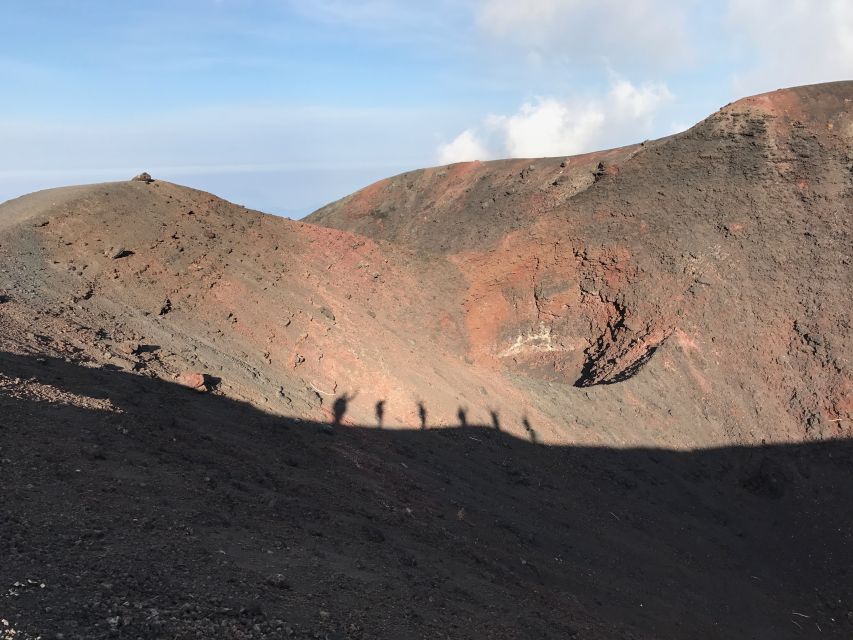
The trail includes several volcanic features linked to Etna’s repeated flank eruptions. The guides introduce hornitos, small cone-like structures that form around openings in lava flows. The name means little ovens, a useful image for understanding their shape and purpose.
You also see eruptive fractures. These cracks mark places where volcanic pressure opened the ground and allowed lava or gases to escape. They are not just scenic details. Together with the cones and lava streams, they show how an eruption can spread across a flank rather than erupting only from Etna’s central summit.
The walk climbs along cinder cones, made from loose volcanic material thrown out during an eruption. This is where footing can become uncertain. The soil may slide, and the surface does not always give you a firm step.
Trekking poles would help, but they are not included. You may bring your own or arrange to rent equipment locally if available. Good hiking shoes are more important than stylish clothing, and insurance does not cover you if you use inadequate footwear.
Take your time on these sections. The point is not to race to the top. A slower pace lets you notice the different textures, from fine sand to rough lava blocks, and gives the guide space to explain what you are seeing.
Reaching the crater edges and looking toward Calabria
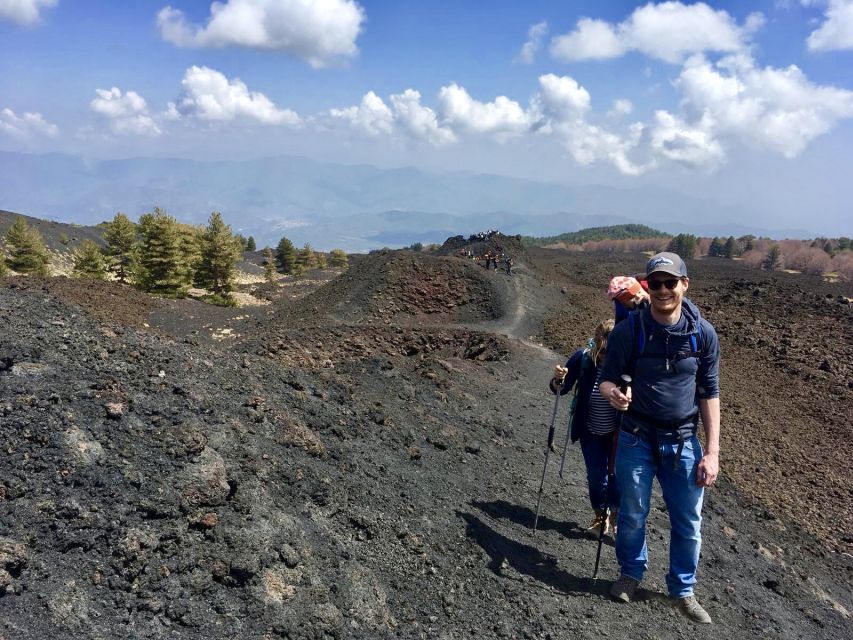
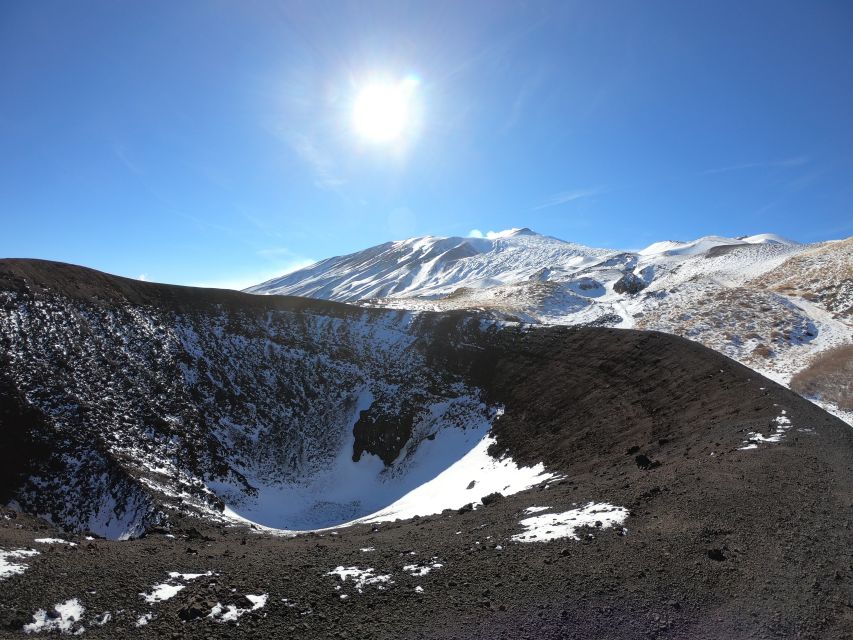
Near the upper part of the route, you reach crater rims and look over the edges. The route also includes a descent inside a sandy channel on the way back. These sections make the outing feel more like a volcanic hike than a standard mountain walk.
Crater edges can cause dizziness, particularly if you are sensitive to heights or exposed slopes. The activity is not suitable for people with vertigo or a fear of heights. It is also not suitable for people with mobility impairments, back problems, heart problems, respiratory issues, epilepsy, or pregnancy.
The reward is the view. From the eruptive theater, you can look across the volcanic formations toward the Calabrian Coast. On a clear day, this broad view puts the north side of Etna in context. You see the sea, the mountain, and the broken volcanic ground in one sweep.
Wind is a real factor. One outing was described as too windy, and exposed crater areas can feel much colder than the lower parking area. Bring a windbreaker and a jacket even if the weather seems mild at your accommodation.
Sunglasses and sunscreen are useful on open slopes. In winter, spring, and autumn, bring gloves and a hat. Snow can require snowshoes, rented on site for €12 per person during December, January, February, and March.
The guide makes the difference
This route depends heavily on the person leading it. The official guide is included, and that is the key reason to book this version rather than simply walking around Piano Provenzana alone.
Daniele is noted for patience, personal eruption photos, and a willingness to help with spare clothing. Davide brings humor and varied explanations. Vincenzo combines science with an easy manner and has led tours in French. Niko is a strong choice for those who want more detail about Etna and volcanoes in general.
These names are not a guarantee of who will lead your group. They do show the style you can expect: explanations mixed with jokes, visual examples, and time for questions. The guide also watches the group and can adjust the route if the ground, weather, or volcanic conditions become unsafe.
The tour is offered in Italian, French, and English. If language matters to you, confirm the available guide language at booking rather than assuming every departure has all three.
A guide cannot remove every challenge. They cannot make strong wind comfortable or loose ash firm underfoot. What they can do is help you choose safe footing, explain the terrain, and make the walk more meaningful.
Who will enjoy this three-hour Etna walk
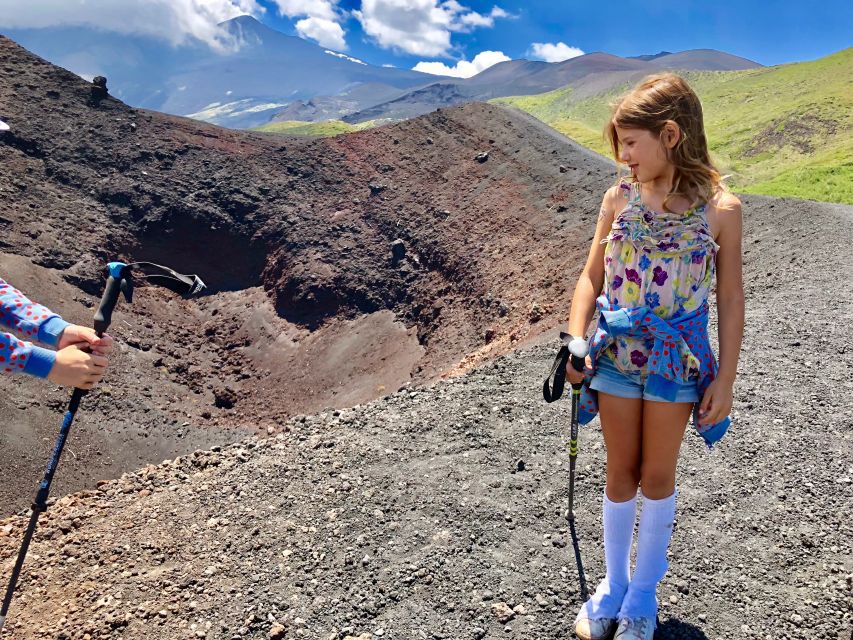
I would choose this outing if you want a moderate introduction to Etna’s volcanic side rather than a long, demanding summit trek. It suits people who enjoy walking, geology, and outdoor scenery, and it works well when you want a focused half-day activity.
The route has also been completed by children and older adults in some groups, but that should not be taken as a promise that it will feel easy for everyone. The official restrictions exclude children under six, and the physical demands remain important for anyone who does not exercise regularly.
You should be comfortable walking uphill, crossing uneven ground, and following crater edges. If you are in your late 60s or older, or simply out of practice, plan for a slower pace and accept that the three-hour estimate may stretch.
This is not the right activity if you want a relaxed family stroll with a stroller, a short photo stop beside the road, or a fully accessible path. It is also a poor match if you dislike exposed areas, cold wind, or changing plans.
What to bring, rent, and wear
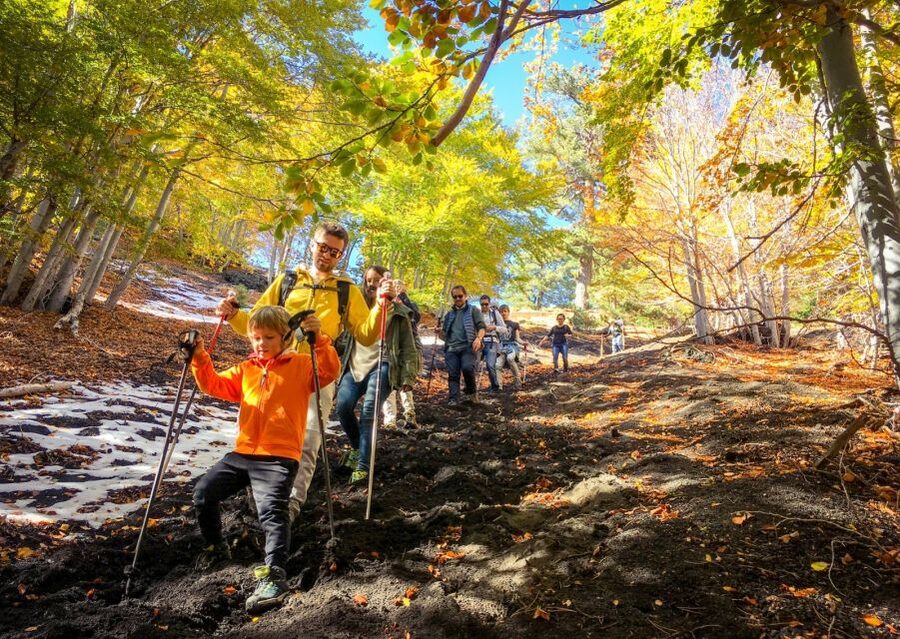
Your basic kit should include:
- Hiking shoes with a proper sole
- Water and snacks
- A windbreaker and warm jacket
- Sunglasses and sunscreen
- Gloves and a hat in cooler months
- Comfortable clothing suited to the forecast
- A small daypack
You can rent hiking shoes for €5 per pair at authorized local rentals. In snowy conditions, rent snowshoes for €12 per person. Trekking sticks are not included, so bring them if you rely on extra support.
Do not arrive in sandals, flip-flops, slippers, high heels, or loose street clothing. Apart from being uncomfortable, inadequate footwear means you are not covered by the included accident insurance.
The guide may have spare items, but you should not count on that. One helpful guide supplied a jacket when guests forgot to rent one, yet your own warm layer is the safer plan.
Is $41 a fair price?
At $41, this is a reasonable buy if you value interpretation and safety guidance. You receive a three-hour walk, an official volcano guide, and accident insurance. The route visits features connected directly to the 2002 eruption, rather than offering only a distant view of Etna.
The price does not include transport, parking, food, drinks, shoes, snowshoes, trekking sticks, or warm clothing. Those costs can raise the final total, especially in winter. Still, the extras are mostly practical equipment rather than surprise charges.
The best value comes when the guide is active and clear. A good explanation turns a field of lava into a readable record of pressure, flow, fracture, and cooling. Without that context, some of the sights may look like dark rock and dusty cones.
Free cancellation up to 24 hours before the activity and the option to reserve now and pay later make the booking less rigid. The tour can still change or stop because of weather, environmental conditions, or volcanic activity.
Should you book the 2002 eruption trek?
Book it if you want a close, educational look at Etna’s north side, can handle uneven volcanic ground, and appreciate a guide who mixes science with humor. The Hotel dell Betulle ruins, hornitos, crater rims, and Calabrian views give the three-hour route a clear sense of purpose.
Skip it if you need a flat path, dislike heights, have one of the listed medical restrictions, or are hoping for a guaranteed summit experience in every kind of weather. This is a mountain outing, not a fixed indoor attraction.
For the best experience, arrive at the correct Mareneve meeting point, wear real hiking shoes, bring warm layers and water, and allow the guide to set the pace. At $41, it is a sensible way to see the physical record of Etna’s 2002 eruption without committing to a full-day hike.
FAQ
How long does the Etna 2002 eruption trek last?
The stated duration is three hours. The actual time depends on the group’s pace and conditions, and one outing lasted four hours.
Where does the trek meet?
Meet at Chiosco Bar Mareneve near the winter chairlift. It is the second house of the four buildings in the parking lot. Do not go to Chiosco Bar Etna Nord in the lower parking area.
Is parking included?
No. Parking costs €3 for the whole day and is paid after the excursion.
Is transport from my accommodation included?
No. Transport to the starting point at Piano Provenzana is not included.
What language is the tour offered in?
The live guide can lead the tour in Italian, French, or English.
Do I need hiking shoes?
Yes. Proper hiking shoes are required for the uneven volcanic ground. Shoes can be rented locally for €5 per pair, and you are not covered by insurance if you use inadequate footwear.
Are snowshoes required in winter?
If snow is present, snowshoes are recommended and can be rented on site for €12 per person. The winter months listed are December, January, February, and March.
Who should not take this trek?
The activity is not suitable for children under six, pregnant women, people with back, heart, respiratory, or mobility problems, people with epilepsy, or those afraid of heights or prone to vertigo. It is also not recommended for people who do not take part in regular physical activity.
Just added around Mount Etna
- Mt Etna: Winter Trekking Tour with Optional Catania Transfer★ 4.7 · 13 reviews
- Trekking at 3000 meters on Etna★ 3.8 · 7 reviews
- Tour of the Etna cellars, typical lunch and wine tasting★ 5.0 · 7 reviews
- Sea, Volcano and History: Giardini Naxos, Isolabella, Etna and Taormina★ 4.5 · 3 reviews
- Private Horseback Riding Tour on Etna Area + Traditional Lunch★ 4.5 · 49 reviews
- Private One Day Tour to Taormina and Mount Etna★ 5.0 · 3 reviews
- Package of 2 private tours in one day: Etna-Godfather with Lunch★ 5.0 · 9 reviews
- Mt Etna Sunset Private Tour with Prosecco on the Crater★ 5.0 · 8 reviews
Etna Summit Crater Treks, compared.
Guided Volcano Summit Hiking Tour with Cable Car
Read our review →
Trekking to the summit craters (only guide service) experienced hikers
Read our review →
Browse the lists this tour appears in