
Reviewed · GUIDED
Palermo: Teatro Massimo Opera House Guided Tour
Palermo’s Teatro Massimo is more than a pretty theater. It is a working opera house, and its grand foyer, golden auditorium, royal box, and echo room show how seriously Palermo once took public spectacle. I especially like the chance to see the building’s opulent public rooms and hear how the stage machinery helps turn a script into an opera.
I also like the low price and the easy pace. At about $14, this is one of Palermo’s better-value cultural stops, and guides such as Daniele have made the tour lively and clear. The main caution is that the visit can feel short and hurried, especially when one guide presents in two languages or when rehearsals, lighting work, or private events limit access.
Key points to know before you go
- About 40 minutes inside a huge opera house: You see the main public rooms, but not every corner.
- The royal box is a highlight: It gives you a close look at the theater’s most impressive viewpoint.
- The foyer and auditorium are the visual stars: Expect sculpture, bronze-decorated lamps, gold stucco, wood, velvet, and glass.
- Stage access is not guaranteed: You may see backstage work or a rehearsal, but some visits remain in public areas.
- Bilingual tours can take longer but feel rushed: The guide may speak Italian first, then English or another language.
- Exchange your voucher at the ticket office: You then join the next available language tour, with departures offered from 9:30 AM to 5:00 PM.
Why Teatro Massimo belongs on your Palermo list
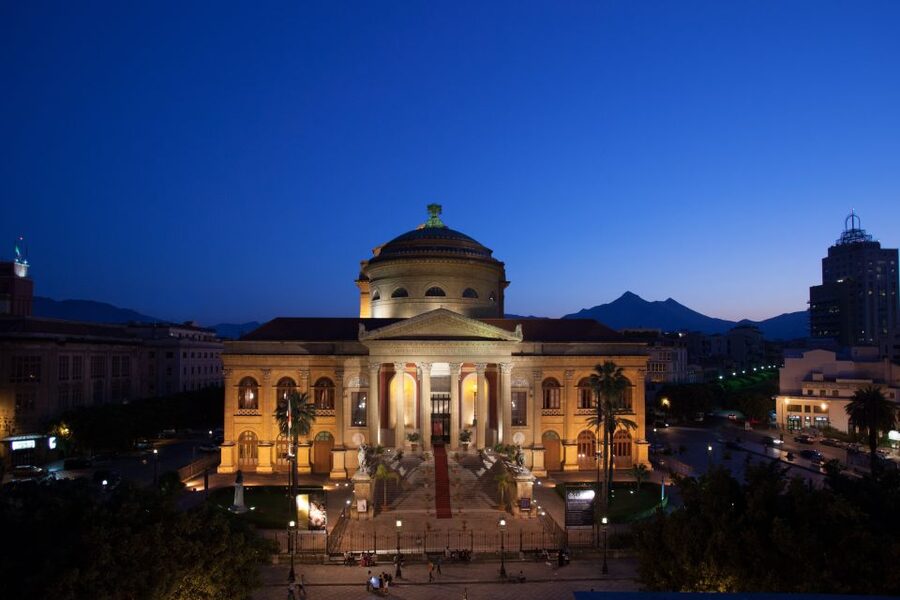
Teatro Massimo is one of Palermo’s most recognizable buildings and one of Europe’s largest opera houses. Even if you never attend an opera, the guided visit gives you a useful look at the theater as both architecture and workplace.
The building’s scale is the first surprise. From the outside, it can seem formal and imposing. Inside, the sequence of grand rooms keeps changing the mood. You begin in the foyer, pass into the auditorium, visit selected chambers and the royal box, and learn how performances are prepared.
I like this kind of tour because it puts Palermo’s public life into context. The theater was designed for display, ceremony, and social theater as much as for music. The details are not merely decoration. They tell you who the building was meant to impress and how an evening at the opera once worked.
The tour is also a useful choice when you have only a day in central Palermo. It is short enough to fit between churches, markets, and a meal, yet substantial enough to give you a look inside a building you might otherwise admire only from the street.
A few more Palermo days worth weighing up
- Palermo: NO Mafia Walking Tour
★ 4.8 · 2,431 reviews - Palermo: Hop-on Hop-off Bus Tour 24-hour Ticket
★ 3.9 · 2,410 reviews - Palermo Original Street Food Walking Tour by Streaty
★ 5.0 · 2,105 reviews
Starting at the foyer with bronze and marble details
You begin by exchanging your GetYourGuide voucher at the Teatro Massimo ticket office. From there, you join the next available guided group. The starting process is generally simple, though the foyer can feel hectic when several groups are gathering at once.
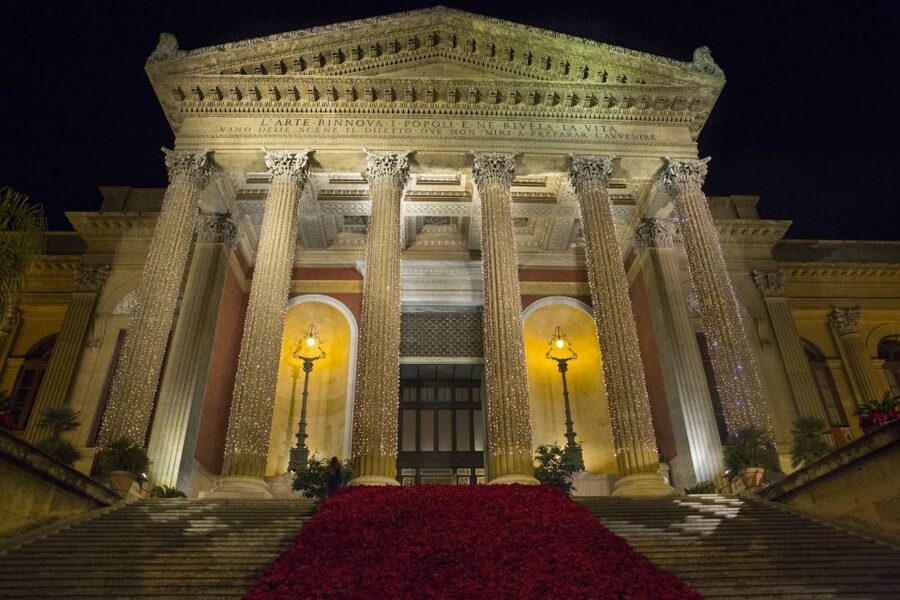
The foyer sets the tone. Look for sculptures and bronze-decorated candelabra, along with the formal arrangement of the entrance hall. This is not a stripped-down theater lobby built only to move people toward their seats. It was designed to make an impression before the curtain even rose.
Your guide explains the building’s story while moving the group through the public rooms. The best guides keep the information focused on what you can see: the purpose of each space, the way the rooms connect, and the details that might otherwise pass unnoticed.
If you want photographs, take them as the group moves. There is usually time for pictures, but the schedule is not built around long stops in every room. A small group can make this easier. One reported visit had fewer than 20 people, while other groups have been much larger.
The auditorium, where decoration meets acoustics
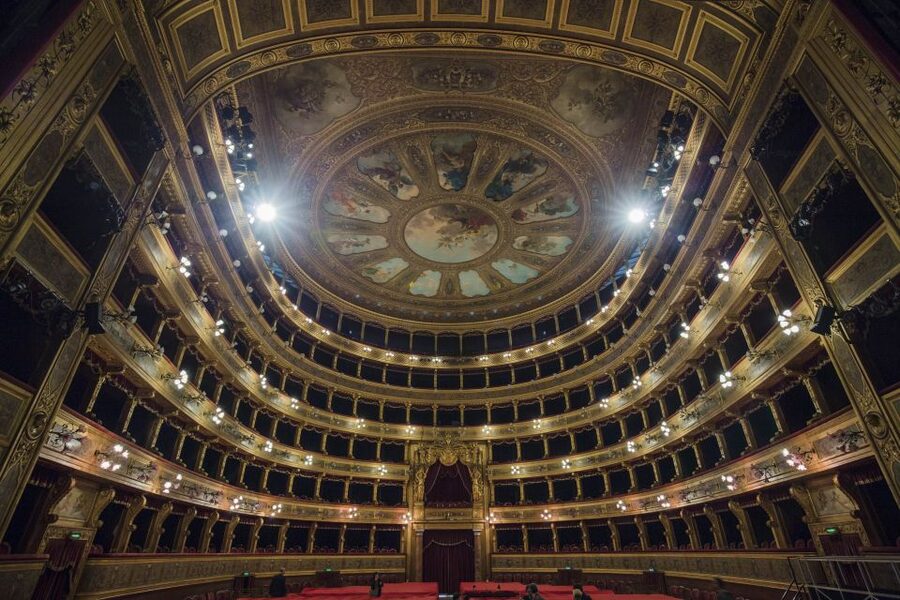
The auditorium is the tour’s main visual reward. Expect golden stucco, carved wood, velvet seating, and glass details. The effect is grand without requiring much imagination. Once you are seated or standing inside, you can see why this room is the heart of the building.
The guide also explains how the auditorium functions. This adds value beyond a quick photo stop because you begin to notice practical details along with the ornament. The theater is not just a historic shell. It remains a performance space, and its appearance can change when rehearsals, lighting sessions, or auditions are under way.
That working quality can be a bonus. Some tours have caught an orchestra rehearsal, a ballet rehearsal, or operatic auditions in progress. You cannot count on this, but if it happens, it gives the visit a more immediate sense of purpose. You hear or see the room being used rather than simply presented as a monument.
There is a catch. Rehearsal or technical work may leave parts of the auditorium darker than expected. A lighting session can limit what you see, and the stage may be closed. This is one reason to treat the tour as an introduction to Teatro Massimo, not as a guaranteed backstage visit.
The royal box and the best view in the house
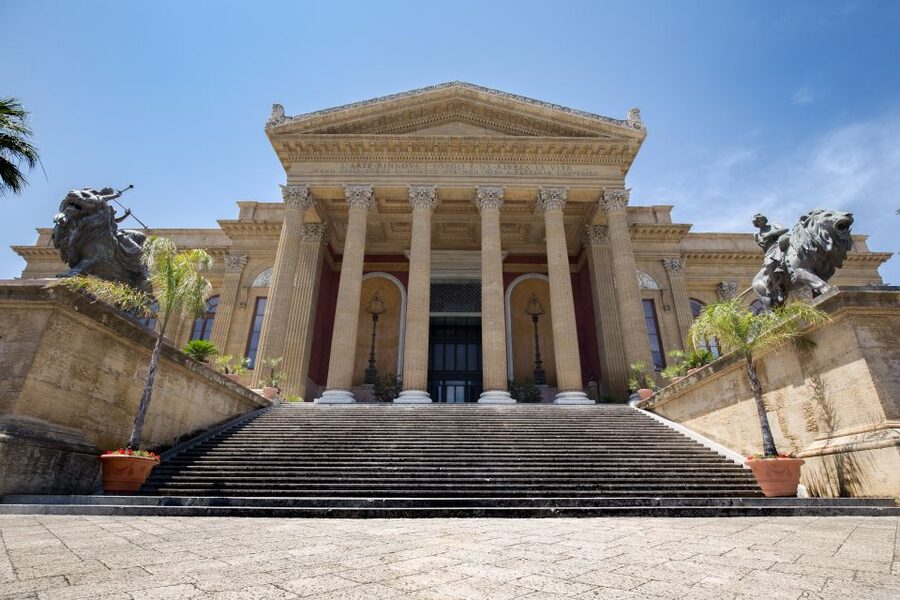
The royal box is one of the most memorable stops. From here, you get a strong view across the auditorium and a clear sense of the theater’s hierarchy. The room is more than an attractive private chamber. Its position shows how status shaped the opera-going experience.
I would pay close attention to the view back toward the stage, then turn around and look at the box itself. The contrast between the private setting and the large public auditorium helps explain why this stop matters.
The tour does not usually include access to a standard box, so you may wish for a wider look at the seating arrangements. That limitation is understandable in a busy theater, but it means the visit is focused on selected highlights rather than a full architectural survey.
Booked from the same base, and a completely different kind of day:
- Segesta, Erice and Salt Pans Full-Day Excursion from Palermo
★ 4.2 · 1,791 reviews - From Palermo: Monreale and Cefalù Half-Day Trip
★ 4.2 · 1,354 reviews - Palermo: Street Food and History Walking Tour
★ 4.9 · 1,294 reviews - Palermo: Agrigento and the Valley of the Temples Day Tour
★ 4.2 · 1,240 reviews
The Pompeian Rooms, Coat of Arms room, and echo room
The route can include rooms such as the Pompeian Rooms and the Coat of Arms room. These spaces break up the visit to the main auditorium and show that Teatro Massimo was planned as a network of reception areas, waiting chambers, and social rooms.
The names are worth remembering because the rooms do not all make their purpose obvious at first glance. Listen for the explanation of how people moved through the theater before a performance and during intermissions. The opera house was a place to see and be seen, not simply a place to sit quietly in the dark.
The echo room is another unusual feature. Guides may give you time to experience its acoustics from the center. This is one of the moments when it helps to stop taking pictures and pay attention to the room itself.
Not every tour covers every space in equal detail. The route can change based on what is happening in the building, and some areas may be closed after a private event or during maintenance. If a certain chamber matters to you, ask the guide when the tour begins.
What happens behind the curtain
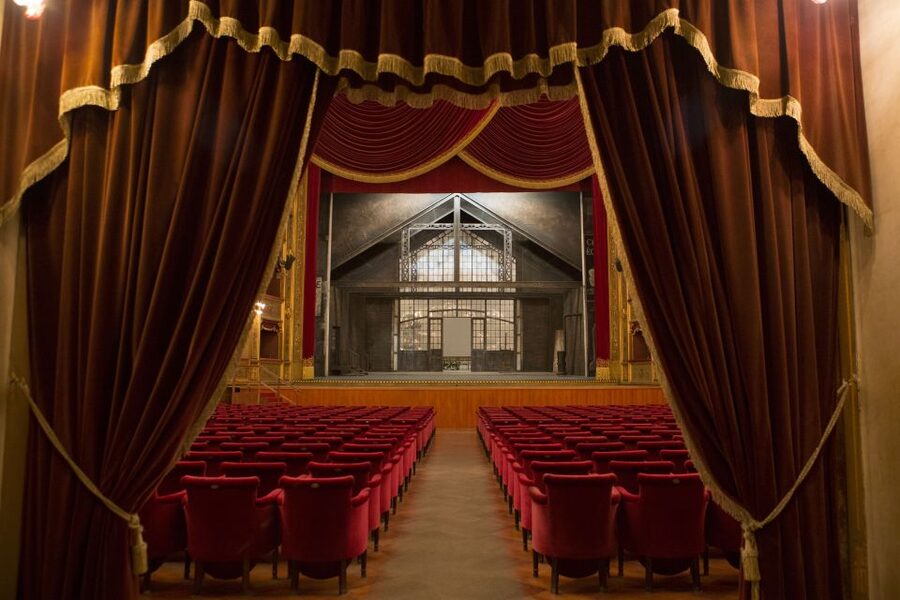
The tour description includes the stage and an explanation of what is needed to put on an opera. In practice, stage access depends on the theater’s schedule.
You might see technical preparations, a rehearsal, or part of the working area. You might also remain in the public rooms because the stage is in use or closed. Several visitors found that there was no true behind-the-scenes section, and one visit had no stage access at all.
This is the most important expectation to set before booking. If your main goal is to see machinery, dressing rooms, or the working stage, this tour may not satisfy you every time. If you mainly want the architecture, the auditorium, and an explanation of how the theater operates, the possible stage view is a welcome extra.
The best surprise is often an active rehearsal. An orchestra, ballet company, or singer preparing in the auditorium makes the building feel less like a museum. Still, you should regard that as luck, not part of the guaranteed program.
The guide and the language of the tour
Live tours are offered in Italian, English, French, Spanish, and German, though the listed language options and the actual group mix may vary by departure. Guides often present in two languages, with Italian followed by English or another language.
This arrangement works well when the guide gives both groups enough time to look around. Some guides have been praised for clear English, strong organization, and an engaging delivery. Daniele was singled out for an especially lively presentation, and Martha also received praise for handling a mixed-language group.
The tradeoff is time. A bilingual guide is effectively giving the explanation twice, so the talk can feel hurried. If the Italian group is much larger, the English explanation may also seem shorter. The stop between languages gives you time for photographs, but you need to stay close to the group.
I would choose a tour time when you are not rushing to another appointment. The visit itself is short, but the ticket exchange and waiting for the next language group can add time. One group waited about 20 minutes before starting, while another joined almost immediately.
How long the visit really takes
The advertised guided portion lasts about 40 minutes. Some visits have lasted closer to 30 minutes, while others ran just under an hour. The difference comes from the guide, the language mix, the group size, and what is happening in the theater.
That makes the tour easy to fit into a Palermo day, but it also explains why some people find it too brief. Teatro Massimo is large, and a short route cannot cover every room or give long explanations in each one.
The ticket is valid for one day, and the available guided tours run between 9:30 AM and 5:30 PM, with the final tour starting at 5:00 PM. In practical terms, you can exchange your voucher at the ticket office and join a suitable group that day, depending on availability.
The flexible timing is useful if you are building your day around Palermo’s cathedral, markets, or other sights. Still, do not arrive at the last minute if you have a fixed schedule. The next tour may not begin immediately, and language groups can affect the wait.
Is $14 good value?
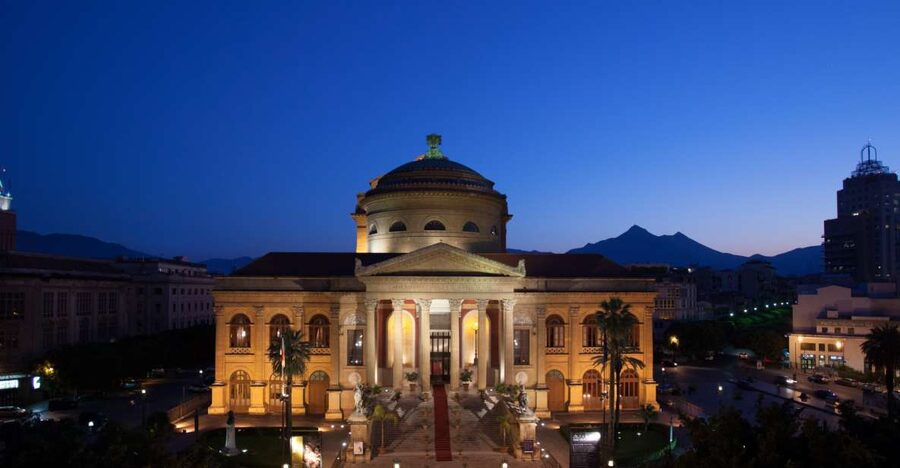
At $14 per person, I consider this a strong value for Palermo. You are paying for access to a major building, a live explanation, and a guided route through rooms that are difficult to understand from the outside.
The value is highest if you care about architecture and want context. A self-guided look at the foyer would show you the decoration, but it would not explain the purpose of the rooms, the royal box, or the work required to stage an opera.
The price is less compelling if you expect a long backstage tour. You may not reach the stage, and the visit can end after the main public areas. In that case, you are paying primarily for the interior and the guide’s explanation.
The booking terms also reduce the risk. You can cancel up to 24 hours in advance for a full refund, and the reserve-now, pay-later option lets you hold a place without paying at once. These details are useful when your Palermo schedule is still changing.
Who will enjoy this tour most
I would recommend it to you if you enjoy historic buildings, opera, decorative arts, or short cultural visits with a clear route. It works well for first-time visitors who want to understand one of Palermo’s major landmarks without committing to a full performance.
It is also a good family option if your group prefers a brief visit. Forty minutes is long enough to see the main rooms but short enough to avoid a tiring lecture. The echo room and the sight of a rehearsal can give younger visitors something active to notice.
You should be more cautious if you want extensive backstage access or a quiet, single-language presentation. The route is controlled by the theater’s schedule, and mixed-language talks can move quickly. Anyone with limited time should allow a little extra for the ticket office and possible waiting.
Practical advice for getting the most from the visit
Go to the Teatro Massimo ticket office first and have your voucher ready to exchange. Do not assume that walking into the building means you can immediately join a tour.
Check the available language and starting time before settling into your Palermo schedule. If you are choosing between several departures, a smaller group may make it easier to hear the guide and take photographs.
Stay with the group. The theater is large, and a few people have found that wandering ahead or stopping too long can make the route feel disjointed.
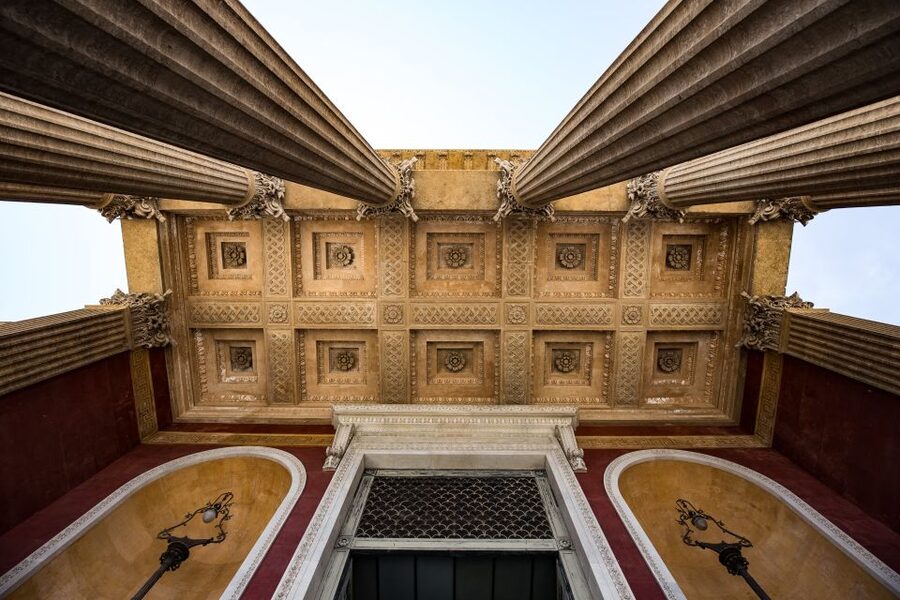
Bring your attention to the upper details in the foyer and auditorium. Bronze work, stucco, wood, velvet, and glass can blur together if you only look at the broad view. Listen for the purpose of the rooms, then look for the details that support the explanation.
If you see a rehearsal, enjoy it, but do not expect it on every visit. The stage and auditorium can be affected by technical work, private events, or performances.
Should you book the Teatro Massimo tour?
Yes, if you want a reasonably priced look inside Palermo’s most famous opera house. The foyer, auditorium, royal box, Pompeian Rooms, Coat of Arms room, and possible echo room make this more than a quick lobby visit, and the guides are often excellent at explaining what you are seeing.
Book it with realistic expectations. The tour is short, bilingual groups can feel rushed, and stage access is not guaranteed. For $14, though, the balance is favorable. You get the building’s finest public spaces, useful context, and perhaps the best extra of all, a glimpse of Teatro Massimo at work.
FAQ
How long does the Teatro Massimo guided tour last?
The guided tour is advertised as lasting about 40 minutes. Some visits have taken around 30 minutes, while others have lasted just under an hour.
How much does the tour cost?
The tour costs $14 per person.
Where do I meet the guide?
Exchange your GetYourGuide voucher at the Teatro Massimo ticket office. You then join the next available guided tour.
What time do tours operate?
Guided tours are available between 9:30 AM and 5:30 PM. The last tour starts at 5:00 PM.
Which languages are available?
Tours are available in Italian, English, French, Spanish, and German. The activity information also lists Italian, French, English, and Spanish for live guide availability.
What rooms will I see?
The route includes the foyer, auditorium, royal box, Coat of Arms room, and Pompeian Rooms. The tour may also include the echo room and views of Palermo from the upper part of the building.
Can I visit the stage?
Stage access is not guaranteed. Depending on rehearsals, technical work, private events, or other theater activity, you may see stage preparations or remain in the main public areas.
Can I cancel the booking?
You can cancel up to 24 hours in advance for a full refund. A reserve-now, pay-later option is also available.
Just added around Palermo
- Valley of the Temples and Villa Romana Multi-Language Tour★ 4.8 · 5 reviews
- Valley of the Temples★ 5.0 · 43 reviews
- Sicilian Winery Tour with Wine Tasting from Palermo★ 5.0 · 12 reviews
- Palermo: Medieval castles of Caccamo & Cefalù. Small Group Tour★ 5.0 · 24 reviews
- Traditional Sicilian Recipes in Palermo★ 5.0 · 4 reviews
- Private Transfer from/to Castellammare del Golfo★ 5.0 · 24 reviews
- UNESCO Day Trip – Monreale & Cefalù★ 5.0 · 6 reviews
- Palermo on a plate: Traditional Food & Wine tour (by Streaty)★ 5.0 · 119 reviews
Guided, compared.

Guided Volcano Summit Hiking Tour with Cable Car
Read our review →
Ancient Theater Skip-the-Line Ticket & Audio Guide
Read our review →
Mount Etna Adventurous Tour with a Volcano Guide
Read our review →
Street Food Walking Tour with Local Guide & Tasting
Read our review →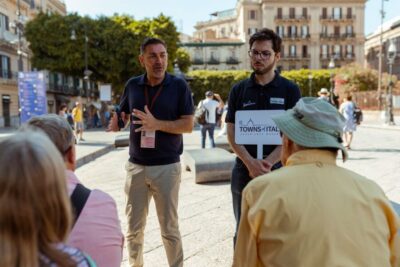
UNESCO World Heritage Sites Guided Walking Tour
Read our review →Browse the lists this tour appears in