Reviewed · SICILY TOURS
Underwater Archaeology Course
The most unusual part of this Sicily experience is that you are not simply looking at old objects underwater. You learn how archaeologists search, measure, record, and document a site, then put those methods to work during two underwater sessions. Back on shore, you turn your observations into field notes and drawings.
I like the clear progression from classroom instruction to practical work, and I like that the program includes special archaeological instruments rather than only standard rental equipment. The free underwater photos and video are another welcome touch, especially if you are making this a solo activity.
The main consideration is cost. At $270.39 per person, the price is substantial for five hours, and the PADI license fee of about €65 is extra. Weather can also force a new date or cancellation, so keep some flexibility in your Sicily plans.
Key points to know before booking
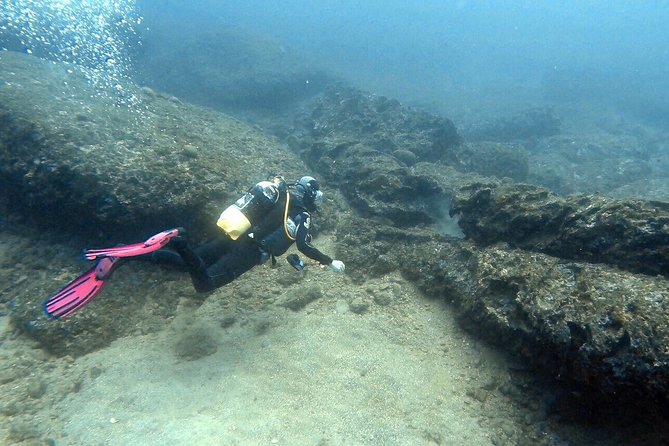
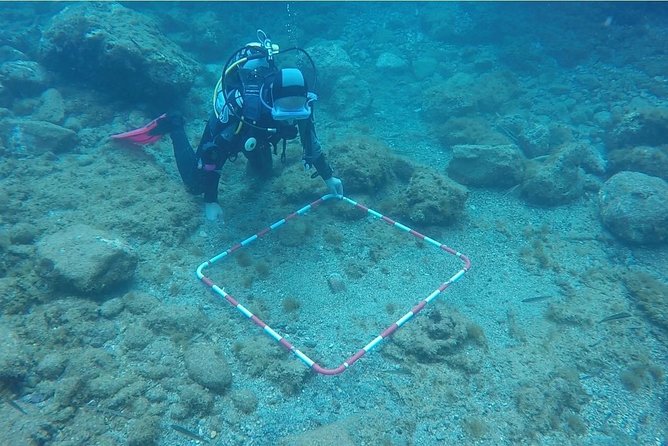
- A real fieldwork format: You learn basic search and measuring methods, then prepare notes and drawings after the underwater work.
- Two underwater sessions: The practical portion gives you time to apply the methods instead of stopping after a classroom talk.
- Equipment is included: Full equipment rental and special archaeology tools are part of the package.
- Museum access adds context: An archaeological museum visit connects the underwater work with objects and local history.
- Hotel transport is included: Pickup and the return drive are offered, though the stated meeting point is Dive Sicily in Giardini Naxos.
- The PADI fee is extra: A PADI certification card is issued on completion, but the license fee is listed at about €65.
Starting in Giardini Naxos with a clear purpose
Your day begins at Dive Sicily in Giardini Naxos, at Porto di, 98035 Giardini-Naxos ME. The activity lasts about five hours and ends back at the meeting point. Hotel pickup and the drive back to your hotel are included, which can make the logistics easier if you are staying nearby.
This is not a quick sightseeing boat trip dressed up as archaeology. The aim is to teach you the basic methods used by an underwater archaeology diver. That distinction matters. You are being asked to observe carefully and record what you find, not simply swim around and admire the setting.
The group can include up to 15 people. That is a reasonable maximum for an introductory program, though the amount of personal attention you receive may depend on the final group size. If you want the most direct access to the instructor, ask about the expected number of participants before you go.
Confirmation is sent at booking, and the meeting point is near public transportation. Most participants can take part, but you should still consider your own comfort in the water and your ability to follow a structured practical lesson. The supplied information does not give a more detailed medical or certification requirement, so ask Dive Sicily if you have specific concerns.
A few more Sicily days worth weighing up
- Etna Morning Trip
★ 4.5 · 1,241 reviews - Syracuse: Boat Trip of Ortigia Island and Sea Caves
★ 4.7 · 937 reviews - Tour of the island of Ortigia and exploration of sea caves with baths.
★ 5.0 · 668 reviews
The classroom session gives the underwater work a purpose
The first stage introduces the history and origins of underwater archaeology. This short classroom section matters because it gives you a reason for each task that follows. Measuring and searching can seem like simple exercises until you understand how small observations help researchers document a site.
You receive a digital underwater archaeology manual. It is useful to have a written reference during the lesson, particularly if you want to remember the vocabulary and methods after returning home. The manual also makes this feel more like a short training course than a standard recreational outing.
The instruction focuses on basic research techniques. You should expect an introduction rather than professional-level archaeological training. In five hours, the program can show you how the work is approached, but it cannot turn you into a trained field archaeologist.
That is not a weakness if you book it with the right expectations. I would choose this activity for an interested beginner, a history-minded visitor, or someone looking for a more unusual way to experience Sicily. If you already work in archaeology or have advanced underwater research experience, the material may feel introductory.
Special tools make the practical lesson more than a swim
The program includes full equipment rental and special underwater archaeology instruments. This is one of the stronger parts of the value calculation. You do not need to assemble your own kit, and you get to handle tools chosen for archaeological work.
The supplied details do not name each instrument, so you should not expect a particular model or tool list. Still, the central idea is clear: the underwater session is built around search and measuring techniques. You will practice a method, not simply be shown an attraction.
Good archaeological fieldwork depends on careful recording. Objects and features can lose their meaning if their position, size, and relationship to nearby material are not noted. Even at an introductory level, learning to measure and document helps you understand why underwater archaeology requires patience.
You may also find that the work feels slower than a normal recreational outing. That is part of the point. The activity asks you to pay attention to the site and follow a process. If you want constant movement or a purely scenic session, this may not be the best match.
Two underwater sessions put the lesson into practice
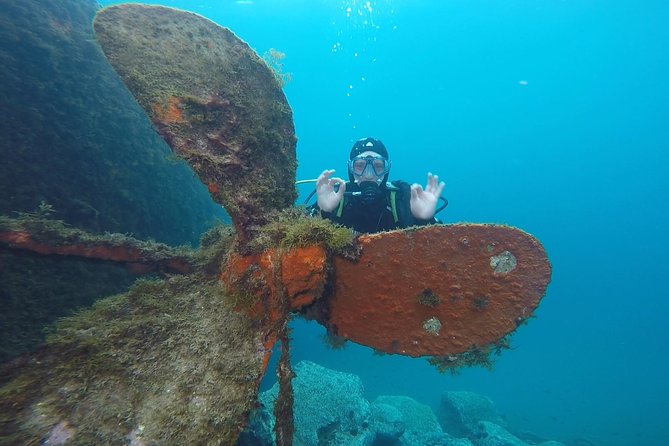
After the classroom work, you complete two underwater sessions. This is the heart of the program. The first section gives you the rules and methods, while the practical portion lets you test them in a real setting.
The description refers to a visit to local underwater heritage. It does not promise a specific wreck, artifact, or named archaeological site, so I would avoid booking with one particular monument in mind. The appeal is the chance to use research methods in Sicily’s underwater setting, not a guarantee that you will see a famous object.
The two-part format is helpful. One short underwater session can feel rushed, especially when you are learning new equipment and trying to remember a search pattern. Two sessions give you a better chance to understand the process and correct mistakes.
The activity is weather dependent. Poor conditions can lead to a different date or a full refund. That policy is fair for an outdoor program, but it means you should avoid scheduling this as the only fixed activity on your final day in Sicily. Free cancellation is available up to 24 hours before the start time. A cancellation made later than that is not refundable, and late changes are not accepted.
Booked from the same base, and a completely different kind of day:
- Catania: Mount Etna Morning or Sunset Day Trip with Tasting
★ 4.8 · 4,028 reviews - Mount Etna: Guided Volcano Summit Hiking Tour with Cable Car
★ 4.7 · 3,784 reviews - Palermo: NO Mafia Walking Tour
★ 4.8 · 2,431 reviews - Palermo: Hop-on Hop-off Bus Tour 24-hour Ticket
★ 3.9 · 2,410 reviews
Field notes and drawings bring the day back to shore
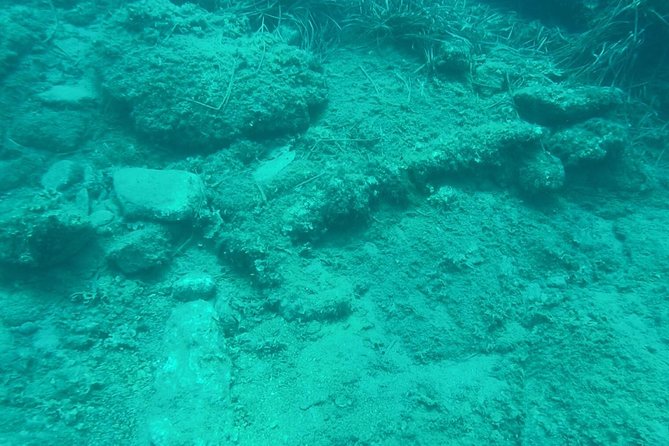
Once the underwater work is finished, you return to shore for a detailed debriefing. You prepare field notes and drawings to document what you worked on. This final stage is easy to overlook, but it may be the most educational part for many people.
A photograph shows what something looks like. A field note explains where it was, what you observed, and how it relates to the rest of the site. A drawing can record shape, scale, and position in a way that supports later study.
I like that the program does not end when you leave the water. The debrief ties the whole day together and gives you a practical result to remember. You are not just told about archaeological work. You are asked to create a basic record of your own fieldwork.
The drawings should be understood as part of an introductory exercise, not as professional archaeological documentation. Still, this hands-on step gives the program more substance than a talk followed by a standard water activity.
The museum visit connects Sicily above and below the water
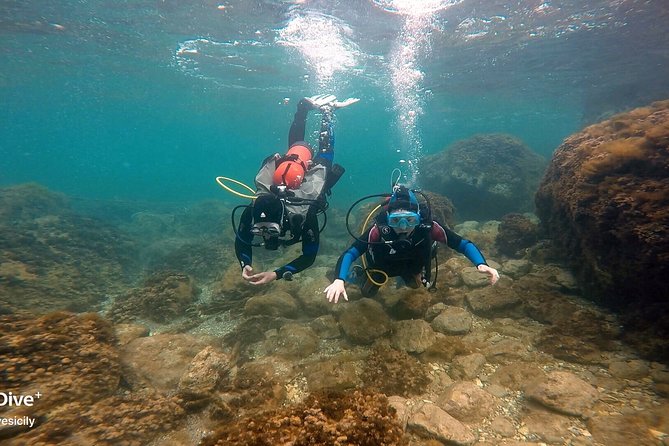
An archaeological museum entrance is included. The supplied details do not identify the museum by name, so confirm the exact location and timing with Dive Sicily. Even without a named institution, this portion adds useful context.
Underwater archaeology makes more sense when you can compare submerged material with objects and evidence displayed on land. The museum visit can help connect the methods you practice with the broader story of Sicily’s past.
The visit also gives the day some variety. Five hours of concentrated instruction and underwater work can be tiring. A museum stop offers a quieter change of pace and another way to think about the objects and sites discussed during the course.
Because the museum timing is not detailed, do not assume you will receive a long guided tour or a full museum orientation. Treat the entrance as an included part of the program, then ask what portion of the visit is scheduled and how it fits with the underwater sessions.
Photos and video give you a record of the experience
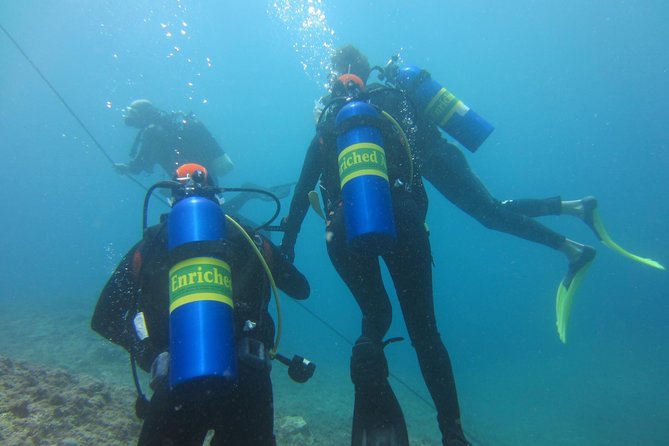
Free underwater pictures and video are included. This is a useful extra. Underwater work can be hard to explain afterward, and images give you a visual record of the techniques and setting.
The photos may also help you remember details that are difficult to retain after a busy morning. If you are traveling alone, the included media is especially valuable because you are not relying on a companion to take pictures.
Do not book the activity solely for a professional photo package. The main product is the archaeology lesson and practical work. The images are a bonus, and the supplied information does not specify how many pictures or videos you receive, how they are delivered, or who takes them.
What the $270.39 price really covers
At $270.39 per person, this is not a budget activity. The price becomes easier to understand when you count the parts: about five hours of instruction and practical work, full equipment rental, special archaeology instruments, a digital manual, museum entrance, underwater photos and video, plus hotel pickup and the return drive.
The added PADI license fee, listed at about €65, changes the final cost. A PADI certification card is issued upon completion, but the license fee is not included in the advertised price. You should confirm exactly how that payment works and what the card represents before booking.
For someone who wants a single unusual activity in Sicily, the package may offer solid value. It combines teaching, equipment, local heritage, and transport rather than charging you separately for each part. The value is strongest if you are genuinely interested in archaeology and plan to use the practical instruction.
For a casual visitor who simply wants to see underwater scenery, the price may be harder to justify. A normal recreational water outing could be a better fit, although it would not provide the same focus on search, measuring, field notes, and drawings.
Who will get the most from this course
I would recommend this to curious beginners who enjoy history, science, careful observation, or unusual local activities. It also suits solo visitors well. The activity gives you a clear structure, and the included photographs and video help make a solo booking feel worthwhile.
It can work for people traveling to Sicily specifically for archaeology, but keep your expectations realistic. This is an introductory course, not a professional qualification program. The PADI card is included upon completion in the stated program, but the listed license fee is separate, and the archaeological instruction itself is described as basic.
The program may be less suitable if you dislike classroom instruction, prefer a relaxed scenic outing, or need a fully weather-proof plan. It also may not suit someone looking for a named ancient wreck or guaranteed artifact viewing, since no specific underwater site is identified.
The maximum group size is 15, and most participants can take part. If you want to know about water comfort, physical demands, equipment details, or the exact museum, contact Dive Sicily before paying. Those questions are especially important if you have limited underwater experience or a tight schedule.
Should you book the Giardini Naxos archaeology course?
Book it if you want to do more than look at Sicily’s underwater heritage. The strongest feature is the complete learning cycle: a short history of the field, instruction in search and measuring methods, two underwater practice sessions, and a shore-based record with notes and drawings.
I also like the practical extras. Equipment, archaeology tools, museum entry, underwater media, and hotel transport reduce the number of details you must arrange yourself. The solo-friendly format and the chance to learn something specific make it a good choice for an independent visitor.
Skip it if the extra PADI fee pushes the total beyond your budget, if you want a purely scenic outing, or if your plans cannot absorb a weather-related change. For the right person, this is a thoughtful, hands-on introduction to underwater archaeology in Sicily. For everyone else, the five-hour commitment and final cost deserve a careful look.
FAQ
Where does the underwater archaeology course start?
The activity starts at Dive Sicily in Giardini Naxos, at Porto di, 98035 Giardini-Naxos ME, Italy. It ends back at the meeting point.
How long does the activity last?
The course lasts approximately five hours.
Is equipment included?
Yes. Full equipment rental, special underwater archaeology instruments, and the digital underwater archaeology manual are included.
Is the PADI license fee included in the price?
No. The PADI license fee is listed separately at about €65. A PADI certification card is issued upon completion.
Are museum admission, photos, and video included?
Yes. Archaeological museum entrance and free underwater pictures and video are included.
What happens if the weather is poor?
The activity requires good weather. If it is canceled because of poor weather, you will be offered a different date or a full refund. You can also cancel up to 24 hours before the start time for a full refund.
Just added around Sicily
- Zafferana Etnea:Honey extraction workshop and honey tasting★ 4.7 · 3 reviews
- From Trapani: Favignana and Levanzo Yacht Tour with Stops★ 5.0 · 4 reviews
- Mt Etna: Winter Trekking Tour with Optional Catania Transfer★ 4.7 · 13 reviews
- Wine tour with wine tasting★ 4.7 · 18 reviews
- Sicilian Soul: Winery Tour, Wine & Food Tasting in Catania★ 5.0 · 4 reviews
- Wine tasting in Catania Historic center★ 4.4 · 15 reviews
- Valley Of The Temples By E-Bike With Picnic Included★ 4.7 · 7 reviews
- Valley of the Temples: Kolymbethra Garden Entry Ticket★ 3.5 · 43 reviews
Sicily Tours, compared.
Tour of the island of Ortigia and exploration of sea caves with baths.
Read our review →

SALT TOUR-all inclusive: salt tour: Trapani, Paceco, Nubia
Read our review →
Mt. Etna nature and flavors half day Tour from Catania
Read our review →
Boat tour Giardini Naxos Taormina Isola Bella Blue Grotto
Read our review →