
Reviewed · SICILY STREET FOOD AND MARKET TOURS
Syracuse: Traditional Cooking Class & Ancient Market Visit
Syracuse’s best food lesson starts before you reach the kitchen. You’ll meet a local chef at Ortigia’s ancient market, taste products from familiar vendors, choose ingredients for the meal, and then turn them into a proper Sicilian lunch. Chef Ettore is the name most closely linked with this experience, and his easy connections with market sellers add real local flavor.
I like two things right away: the menu responds to what looks good that day, and you do more than watch a chef perform. You may make fresh pasta, seafood sauces, tuna, arancini, pistachio pesto, or other Sicilian dishes, depending on the market and your preferences. The main drawback is practical: the meeting point at Bar Cristina can be hard to identify in a busy square, and the market is closed on Sundays.
Key points at a glance
- Market before the kitchen: Walk through Ortigia’s food market, meet familiar stallholders, sample ingredients, and help select what goes into lunch.
- A flexible Sicilian menu: The chef can shape the meal around the day’s produce and your tastes, including options for people who do not want fish.
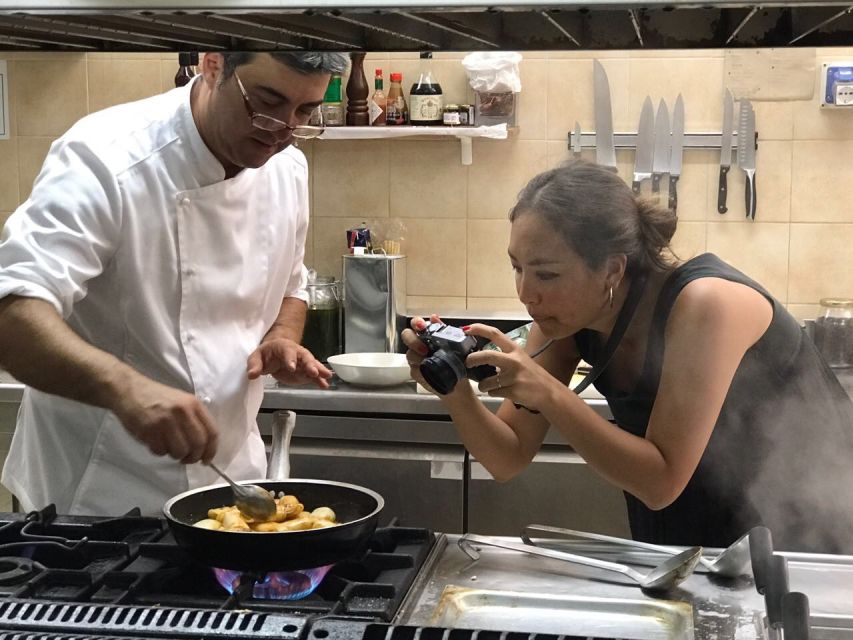
- Real hands-on cooking: You help prepare dishes rather than simply watching a demonstration.
- A generous meal afterward: Sit down to eat the food you made, with some sessions including wine, limoncello, or extra tastings arranged by the chef.
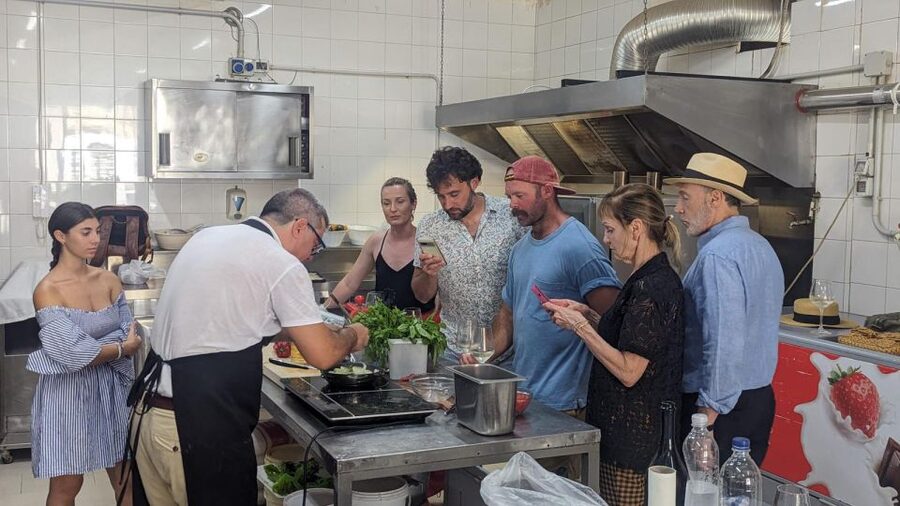
- Small-group setting: No more than eight participants makes it easier to ask questions and take part.
- Four hours in central Syracuse: The activity begins and ends at Piazza Pancali, with a transfer to the kitchen if needed.
Why the market is the heart of the experience
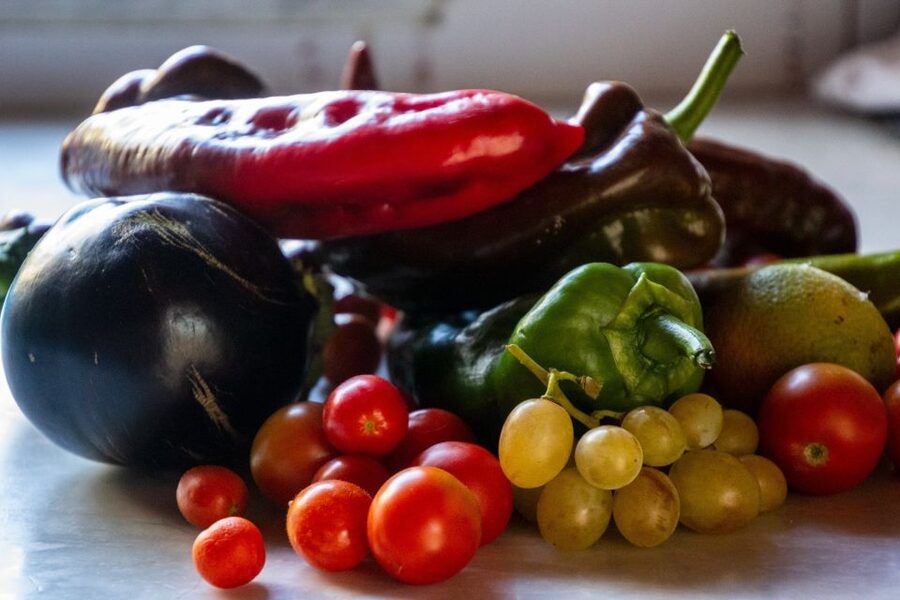
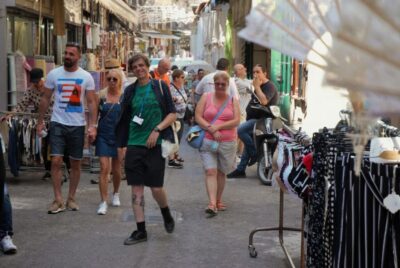
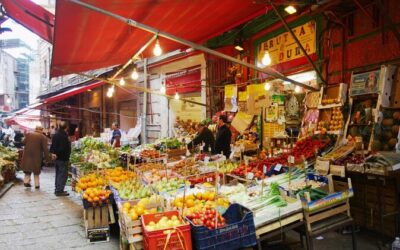
The market visit gives this cooking class its sense of place. Instead of starting with a fixed recipe and ingredients bought in advance, you walk through the stalls with the chef and see what is fresh. Fish, shellfish, vegetables, fruit, cured meats, cheeses, pistachios, and other local products may all enter the discussion.
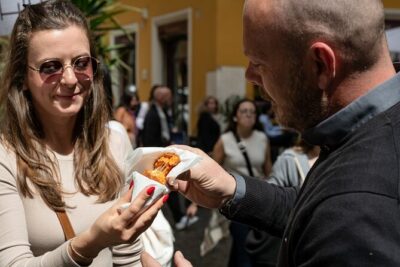
Chef Ettore is well known among the market sellers, and that matters. You are not just looking at displays from a distance. The chef can explain products, greet vendors, arrange tastings, and help you compare ingredients. You might sample red prawns, mortadella, pistachio spread, fresh fruit, or other products as you shop.
The market also gives you a quick lesson in Sicilian food culture. You hear the sellers calling for attention, see the colors of the produce, and learn which ingredients shape the local table. That context makes the later cooking more useful. When the chef asks you to build a sauce from shrimp shells, olive oil, vegetables, or herbs, you understand where the ingredients came from and why they matter.
The shopping stage is not rushed into a strict script. The menu may change according to the quality of the catch and the group’s interests. If you want seafood, the chef can build around it. If you prefer meat or vegetables, or simply do not enjoy fish, the meal can be adjusted. That flexibility is one of the strongest reasons to choose this class instead of a lesson with an identical menu every day.
More Street Food Tours in Syracuse
- Syracuse: Street Food Walking Tour in Ortigia with Tastings
★ 4.9 · 293 reviews - From Syracuse: Mount Etna Guided Morning Hike & Food Tasting
★ 4.8 · 173 reviews - Syracuse: Guided Street Food Tour in Ortigia
★ 5.0 · 72 reviews
From Piazza Pancali to the cooking kitchen
You meet the chef at Bar Cristina, at Piazza Pancali 24. This is a central spot on Ortigia, but the square and café are large enough that the arrangement may feel unclear at first. Look for the chef, and if possible keep the meeting instructions and the chef’s contact details available on your phone.
After the market, the group goes to the cooking location. The exact kitchen depends on the day’s arrangements. If it is not close enough to walk, a transfer from the market is organized. Some sessions take place in a restaurant kitchen, and one especially memorable setting mentioned by participants was a professional kitchen at Cortile di Bacco. Another session took place at a rugby club.
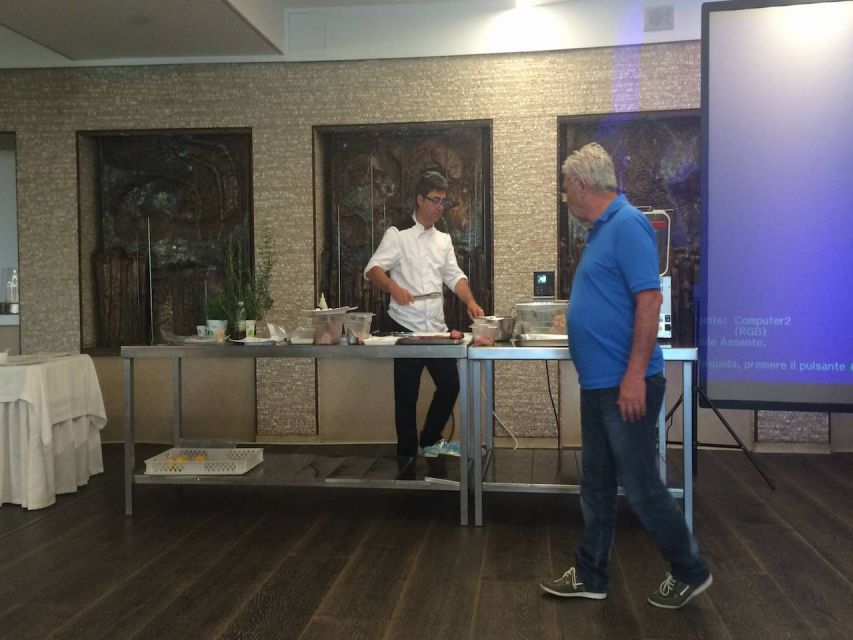
That variety means you should not expect a single polished cooking school with a fixed design. The reward is a look at the working world of a local chef. You may see a professional restaurant kitchen, learn how a busy cook organizes ingredients, and get a glimpse of how dishes are prepared outside a staged demonstration room.
The activity ends back at the original meeting point. Allow the full four hours rather than trying to squeeze in another appointment immediately afterward. The market, transfer, cooking, and lunch all take time, and the meal itself can be substantial.
What you may cook during the four hours
There is no single guaranteed menu, and that is worth understanding before booking. The chef chooses according to the market, your preferences, and what the group agrees to prepare. Still, the dishes described from this experience give you a clear idea of the range.
Fresh pasta appears often. You might prepare cavatelli, make a pasta dough, or learn a quick method for producing fresh pasta in minutes. Seafood pasta may include shrimp, mussels, squid, or other fresh catch. One particularly useful lesson involves making a seafood base from shrimp shells and olive oil, rather than discarding the shells and losing their flavor.
Sauces are another strong part of the class. Possibilities include pistachio pesto, a sauce for tuna with peppers, onions, olives, and garlic, or a seafood sauce built from the day’s purchases. These are practical lessons because they show you how to get strong flavor from a few good ingredients.
Other dishes prepared in different sessions have included pizza baked in a wood-fired oven, arancini, sardines, fried mullet, eggplant with tomato and cheese, veal involtini, and tuna steaks. Desserts and lighter courses have included cannoli, fruit salad with strawberries and apricots, a strawberry salad, brioche with ricotta, and other simple sweets.
You should see this as a cooking session shaped by the group, not a promise that every dish listed above will appear. If you have strong preferences, tell the chef early. The experience can accommodate different tastes, including people who are not keen on seafood.
Learning by doing, not standing aside
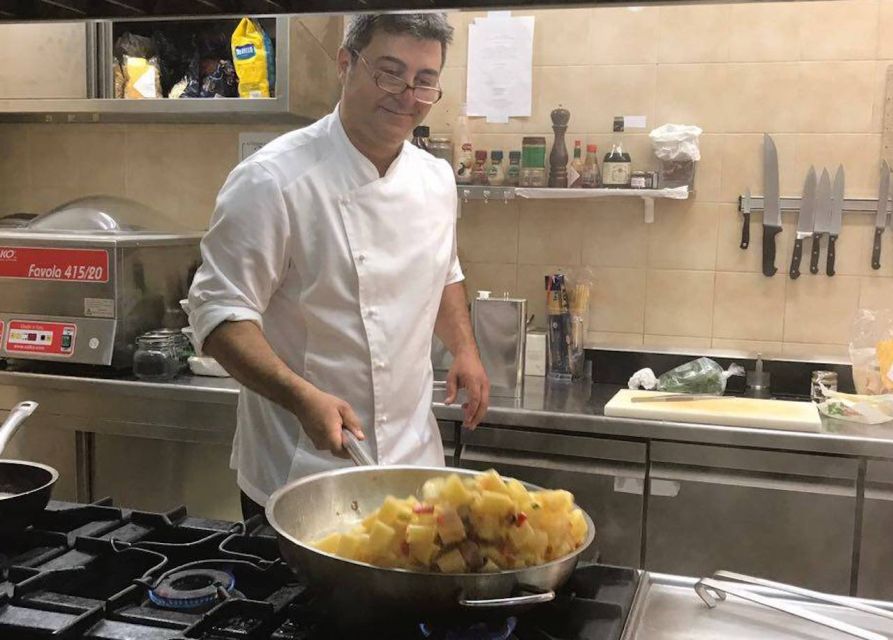
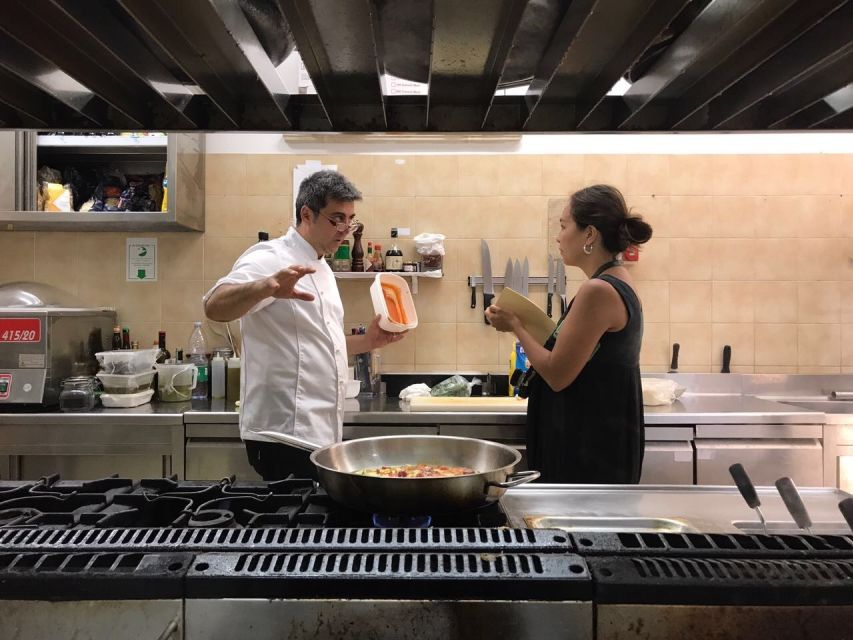
The class is hands-on. You help prepare the food, follow the chef’s instructions, and take part in the work that leads to lunch. That makes the experience more useful than a meal where the chef does everything while you take notes.
Chef Ettore has worked as a pasta chef at a two-star Michelin restaurant, and his professional background shows in the range of techniques he can explain. You may learn how to prepare pasta, build a bisque, balance a sauce, handle seafood, or combine sweet and savory ingredients.
The teaching style appears informal and generous. The chef explains the process, shares cooking tips, and adjusts the pace to the group. You can ask questions while working, which is often when the most useful details come out. Watch closely when the chef handles shellfish, shapes pasta, or finishes a sauce, since those small movements can be hard to learn from a written recipe.
The class is not designed as a formal culinary qualification. You will not receive a long technical course in Sicilian food science. Instead, you get a practical introduction to the way a local cook shops, chooses ingredients, and builds a meal from what is available.
Booked from the same base, and a completely different kind of day:
- Syracuse: Boat Tour with Captain Mirko, Snorkeling & Caves
★ 4.7 · 746 reviews - Siracusa: Ortigia Boat Tour with Marine Grotto
★ 4.7 · 617 reviews - Siracusa: Ortigia & Sea Caves Speedboat Tour with Swim Stop
★ 4.9 · 499 reviews - Syracuse: Neapolis Archaeological Park Small Group Tour
★ 4.7 · 350 reviews
The lunch makes the price easier to judge
The cost is $134.81 per person for four hours. That is not the cheapest food activity in Sicily, but it includes the market visit, local chef, cooking class, lunch, and a transfer from the market to the kitchen if required.
The value depends on what you want from the outing. If you only want a quick pasta lesson, the price may seem high. If you want a market tour, tastings, ingredient shopping, several cooking tasks, a substantial meal, and personal instruction in a group capped at eight, the price is easier to justify.
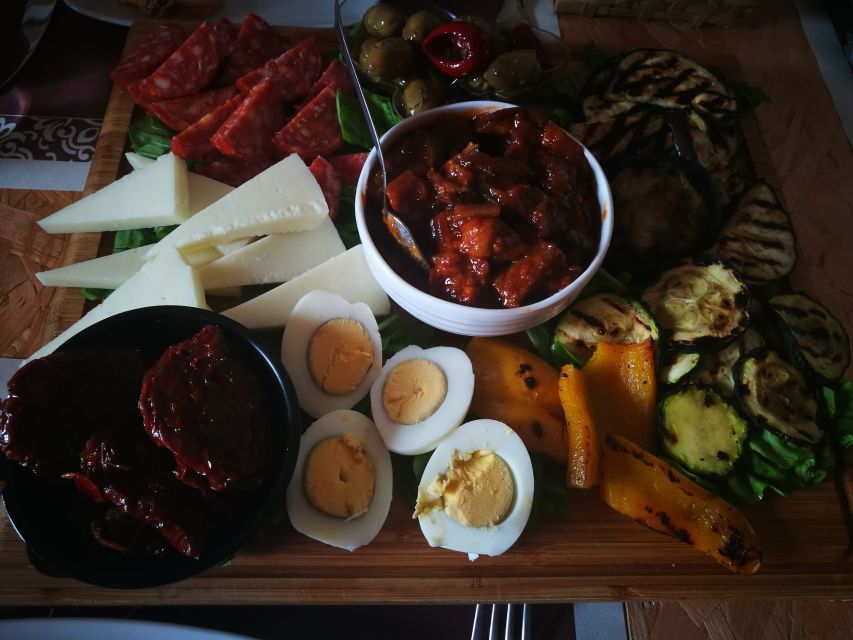
The lunch is not a token sample. You eat the dishes you helped prepare, and the menu can include several courses. Seafood pasta, tuna, pizza, pasta with pistachio pesto, salads, appetizers, and desserts have all featured in different sessions. Some groups also received wine, limoncello, or additional food tastings, but these extras should not be treated as guaranteed inclusions.
The food and drinks included in the menu are arranged by the chef. Separate monument entrance fees are not part of the activity, although monuments are not the focus of this outing. This is a food-centered half-day, not a sightseeing tour with a cooking add-on.
A small group changes the experience
The maximum group size is eight. That is a useful limit for a cooking class because everyone has a better chance to chop, mix, shape, taste, and ask questions.
A group of this size also keeps the market visit manageable. You can stay close to the chef while moving among stalls, and the chef can respond to individual food preferences. If the class is full, you should still expect shared preparation rather than a private lesson. The more people in the group, the less time each person may have at one station.
The host or guide speaks Italian and English. The sessions led by Ettore are described as comfortable for English speakers, and some include his daughter or another family member. The exact people present can vary, but English and Italian are the stated languages.
This works well for couples, families, and friends who enjoy eating together. It can also suit solo visitors who want a social activity, though the shared format means you should be comfortable cooking beside people you have just met.
Sunday planning and the meeting point
The Ortigia market is closed on Sunday. On that day, the chef cannot provide the usual market visit. Instead, the chef guides you through the island streets to purchase local products.
That backup still keeps the shopping element alive, but it is not the same as walking through the full market. If the market is important to you, book a day from Monday through Saturday. If Sunday is your only option, you can still receive the cooking class and ingredient-shopping experience, but plan for a different opening section.
The meeting instructions deserve attention. Start at Bar Cristina in Piazza Pancali, number 24, and remember that the activity returns there at the end. Since the square and café can be confusing, arrive early enough to identify the meeting place without rushing.
The duration is four hours, but starting times vary. Check availability for the time that fits your day. Because the activity includes lunch, it is best treated as a main half-day plan rather than something to fit between two tightly timed visits.
What I like most, and what to keep in mind
I like the way the market and kitchen belong together. You first see the raw ingredients, then learn how the chef uses them. That simple link makes the cooking feel less abstract and gives you ideas you can take home.
I also like the menu flexibility. A seafood lover may end up working with shrimp, mussels, squid, tuna, or cuttlefish ink. Someone who avoids fish can ask for another direction. The chef can respond to the group instead of forcing everyone through the same fixed recipe.
The setting may be a plus or a drawback, depending on your expectations. A working restaurant kitchen or another local venue feels more personal than a purpose-built school, but it may not have the polished appearance of a cooking studio. The experience is about food and hospitality, not luxury design.
The class can also involve a lot of eating. That sounds obvious, but the combination of market samples, multiple dishes, dessert, and possible drinks makes this a hearty outing. Arrive ready for a large lunch.
Who should book this Syracuse cooking class?
Book it if you want food to be your main way into Syracuse. The market gives you local contact, the chef provides practical guidance, and the lunch lets you enjoy the result without hurrying off to the next attraction.
It is especially good for people who want more than pizza and pasta basics. The possible menus include pistachio pesto, seafood bisque, tuna with vegetables, arancini, involtini, fresh pasta, cannoli, and other dishes that show a broader side of Sicilian cooking.
It may not suit you if you want a tightly fixed menu, a formal classroom, or a short demonstration with little participation. It is also less appealing if you cannot attend on a day when the market is open and the market visit is your main reason for booking.
With a 4.9 rating from 72 reviews, a four-hour schedule, and a group limit of eight, this is a strong choice for an active food experience. Just confirm the day, understand that the menu changes, and take care at the Piazza Pancali meeting point.
FAQ
Where does the experience begin?
It begins at Bar Cristina, Piazza Pancali 24, in Piazza Pancali, Syracuse.
Where does the experience end?
The activity ends back at the original meeting point at Piazza Pancali.
How long does the experience last?
The activity lasts four hours. Starting times vary, so check availability when booking.
Is the Ortigia market visited every day?
No. The Ortigia market is closed on Sunday, so the usual market visit is not possible that day.
What happens on Sunday?
If the market cannot be visited, the chef guides you through the streets of Ortigia to purchase local products instead.
Is transport included?
A transfer from the market to the cooking class is arranged if the cooking location requires it.
How many people can join?
The group is limited to eight participants.
Which languages are available?
The host or greeter speaks Italian and English.
Is lunch included?
Yes. Lunch made during the class is included. Food and drinks outside the menu arranged by the chef are not included.
Can I cancel the booking?
You can cancel up to 24 hours in advance for a full refund. The reserve-now, pay-later option is also available.
More Market Tours in Syracuse
- Guided tour of Ortigia with Fish Street Food at the market
★ 4.2 · 27 reviews - From Taormina: Syracuse Tour with lunch in Food Market
★ 4.9 · 12 reviews - Market tour and lunch or dinner at a local’s home in Siracusa
★ 5.0 · 6 reviews - Private Syracuse Tour & light lunch in food market
★ 5.0 · 5 reviews
More Cooking Classes in Syracuse
- Syracuse: Sicilian Street Food Hands-On Cooking Class
★ 4.9 · 38 reviews - Cooking class at a Cesarina’s home with tasting in Siracusa
★ 5.0 · 27 reviews - Arancino Cooking Class in Ortygia Syracuse
★ 4.5 · 11 reviews - Siracusa: Pasta & Tiramisu Cooking Class at a Local’s Home
★ 4.7 · 9 reviews
Just added around Syracuse
- Etna and Taormina tour from Syracuse with private driver★ 4.5 · 9 reviews
- Vendicari – Sicily’s best coast nature reserve ( Birdwatching & Archeology )★ 5.0 · 8 reviews
- Tour of Montalbano★ 4.5 · 7 reviews
- Etna tour from Syracuse with private driver★ 5.0 · 4 reviews
- Noto, Portopalo and Marzamemi tour from Syracuse with private driver★ 4.5 · 10 reviews
- Siracusa Walking Tour with Audio and Written Guide by a Local★ 5.0 · 59 reviews
- Syracuse Private Shore Excursion: Archaeological Park and Ortigia★ 5.0 · 5 reviews
- Syracuse Scavenger Hunt & Highlights Self Guided Audio Tour★ 4.5 · 4 reviews
Sicily Street Food and Market Tours, compared.
Palermo Original Street Food Walking Tour by Streaty
Read our review →
Street Food Walking Tour with Local Guide & Tasting
Read our review →
Night Street Food Tour of Palermo with a Local -For real foodies!
Read our review →
Browse the lists this tour appears in