
Reviewed · FARMS
Catania: Pozzo di Gaspare Farm Guided Tour with Tastings
Pozzo di Gaspare gives you a close look at Sicilian farming without sending you far from Catania. The family-run farm covers 42 hectares near Motta Sant’Anastasia, with olive, blood orange, and almond trees spread across the Catania plain. You’ll walk the property with Giuseppe Mazzone, learn how the crops change through the seasons, and see a hand-dug well that reaches 20 meters underground. I especially like the old well and farmhouse, and I like that the tour connects farming with a generous tasting rather than stopping at a few sips of oil.
The main consideration is timing. The tour lasts about two hours, but the experience is best from March through May, when orange, olive, and almond flowers are in bloom. In summer, you’ll miss much of that floral show, and the farm is outdoors, so bring comfortable shoes, a hat, and sunscreen.
Key points to know before you book
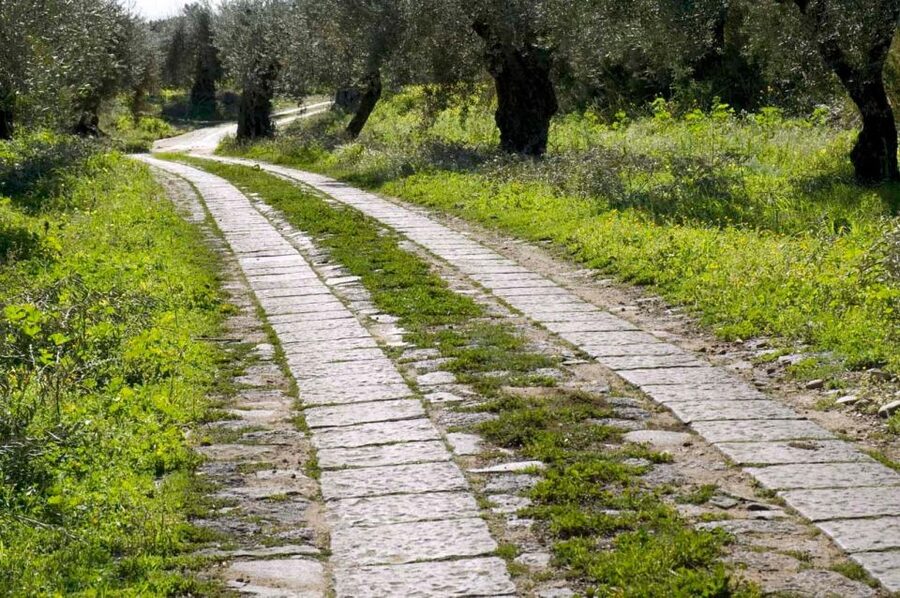
- The 18th-century well still functions: See the 20-meter hand-dug well, with lava-stone galleries built to supply the nearby farmhouse.
- Three Sicilian crops shape the tour: Learn how the farm produces Etna extra virgin olive oil, blood oranges, and almonds.
- Giuseppe leads the visit in English: He explains farming, family history, irrigation, harvesting, and the work behind maintaining traditional crops.
- The tasting can feel like a light lunch: Expect farm EVO oil with bread, olives, local cheeses, cured meats, and, depending on the serving, Sicilian blood orange salad.
- Spring offers the most color: From March to May, orange blossoms, olive flowers, and almond flowers may be in bloom.
- You arrange your own transport: The farm is a few kilometers from central Catania and the airport, but transportation is not included.
A working farm just outside Catania
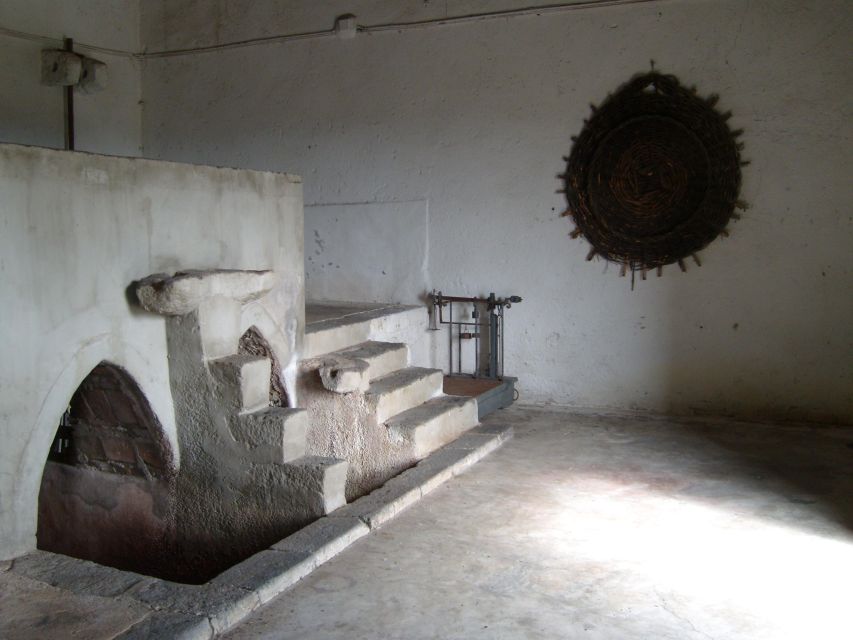
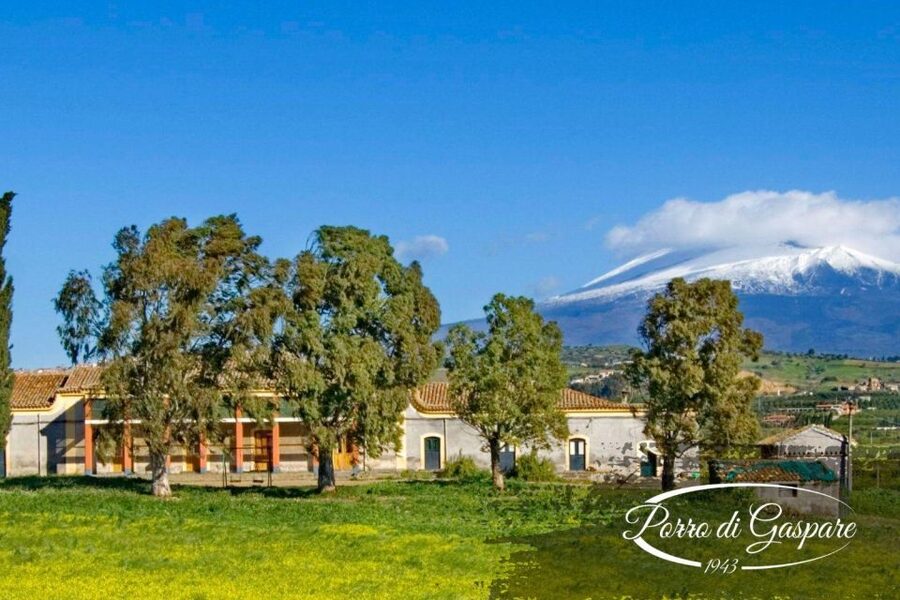
Pozzo di Gaspare is not a polished food museum. It is an active agricultural company, run by the same family for more than 80 years. Since 1943, the farm has focused on three products that fit the soil and climate around Mount Etna: extra virgin olive oil, blood oranges, and almonds.
That makes the visit useful for anyone who wants to understand where Sicilian food begins. You are not simply shown a bottle of oil or handed a plate of fruit. You walk through the orchards and see the trees at different stages, from flowering to harvest. Giuseppe explains what the farm does to manage the plants, water them, and protect the quality of the final product.
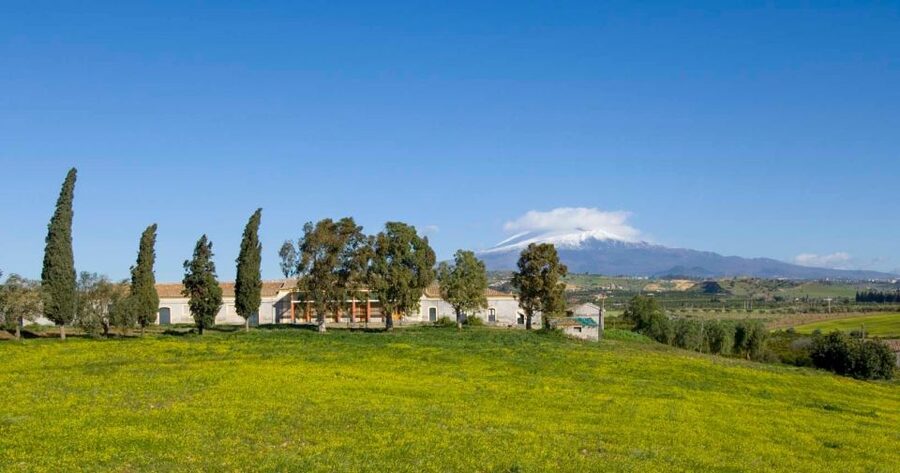
The location in Motta Sant’Anastasia adds a little history and character. The village developed on a high basaltic cliff, and the farm sits in the broader Catania plain, a few kilometers from the city and airport. You get rural views without committing to a full day in the countryside.
I would allow extra time around the two-hour schedule if you plan to linger over the tasting. The formal tour is listed as two hours, but the food and conversation can make the visit feel less rushed.
More farm and pistachio visits near Catania:
- Catania: Pistachio Ravioli, Pasta Home Cooking Class w/ Wine
★ 4.7 · 204 reviews - Catania: Guided Tour of Etna with Farm Visit & Food Tasting
★ 4.6 · 30 reviews - Private Etna tour and pistachio lunch in a pistachio farm
★ 5.0 · 7 reviews
The hand-dug well and the old farmhouse
The farm takes its name from an old well, which is still present and functioning. It was dug by hand at the end of the 18th century to provide water for the adjacent farmhouse, also built in that period.
The well reaches about 20 meters deep and contains several galleries made from lava stone. That detail gives the first part of the visit a strong sense of place. This is not just an attractive old feature beside the orchard. It shows how earlier generations solved a basic problem with local materials, patience, and skilled masonry.
The builder was a master craftsman named Gaspare, whose work gave the property its name. You’ll see the connection between the well, the farmhouse, and the farm’s long use of water. Giuseppe also explains older irrigation systems and the modern methods being used to reduce water loss.
That contrast is one of the better parts of the experience. Sicilian farming has to respect tradition, but it also has to respond to heat, water limits, and changing costs. The visit gives you a plain view of that balancing act. You see the old infrastructure, then hear about newer plans such as solar power and more efficient water use.
Walking among olives, oranges, and almonds
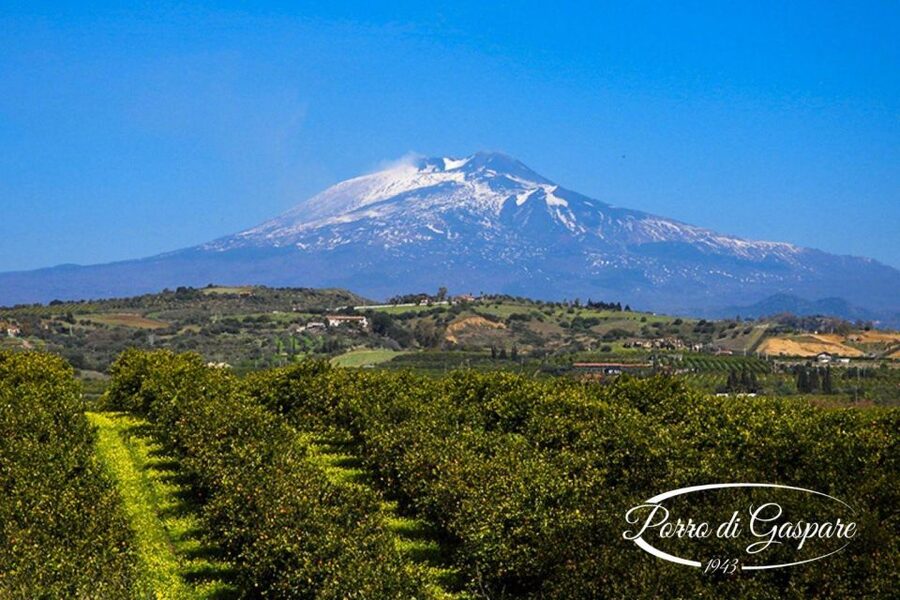
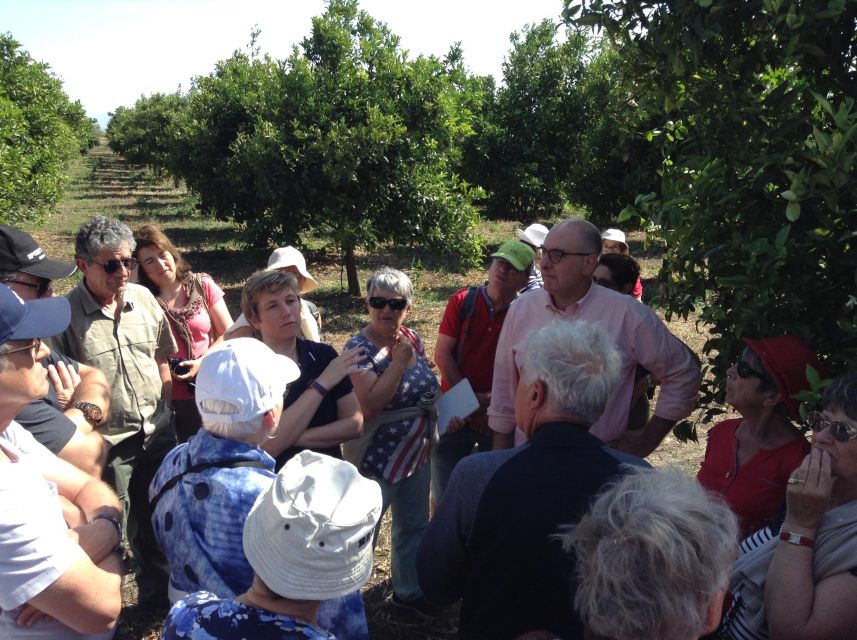
The orchard walk is the heart of the tour. Giuseppe takes you among the trees and explains how each crop behaves. You learn about the flowers, the growing season, the harvest, and the care required before anything reaches your table.
The blood oranges are a particular focus. Sicily is famous for them, and the farm gives you a chance to see the trees rather than only buying the fruit at a market. The tour also helps explain why the color and flavor are connected to the local growing conditions, although the exact fruiting and harvest details depend on the time of year.
The olive trees offer a different lesson. You learn how the trees flower, how the fruit develops, and how the farm produces its EVO oil. Giuseppe’s explanations cover plant management, irrigation, and commercial farming, so the visit is more than an introduction to olive oil tasting.
Almond trees complete the picture. Their white blossoms are especially attractive in spring, and they help you see how several crops share one property without all following the same calendar. If you visit outside March to May, you can still learn about the process, but you may not see the flowers described in the seasonal program.
This is a walking tour on agricultural ground, not a paved city attraction. Wear shoes you can walk in comfortably. A hat, camera, and sunscreen are sensible, especially on a clear day. The supplied information does not specify the amount of shade or the exact walking distance, so anyone who dislikes outdoor walking should ask for current details before booking.
What Giuseppe adds to the experience
The guide makes a real difference here. Giuseppe Mazzone is the farm owner and leads the tour in English. He explains not only what grows on the property, but also how the family has kept the business going while trying to maintain product quality and traditional methods.
The strongest part of his role is the connection between personal story and practical farming. You hear about the family’s long involvement with the land, then move straight into irrigation, harvest timing, plant care, and the business challenges of running a farm today.
The English tour is useful for anyone who wants more than a silent walk through an orchard. The activity lists English as the available tour language, so do not assume that a different language will be offered.
The atmosphere also appears to be personal rather than highly staged. The tasting takes place after the walk, and the visit can turn into a relaxed conversation about Sicilian food, agriculture, and daily life. That is a plus if you enjoy meeting the person behind a local product. It may be less appealing if you want a fast, tightly timed attraction with little conversation.
A few more Catania days worth weighing up
- Alcamo Farm Animals and Aromatic Garden
★ 4.0 · 45 reviews - Visit to the olive grove, oil tasting and lunch at the farm
★ 5.0 · 31 reviews - Food Experience at our Farm in Noto Hills
★ 5.0 · 17 reviews - Etna private tour in 4×4 & Sicilian food farm experience
★ 5.0 · 7 reviews
The EVO oil tasting, with food on the table
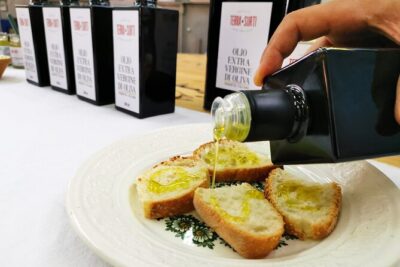
The final tasting is where the tour earns much of its $41 price. You taste the farm’s extra virgin olive oil, along with local cheeses and cured meats. Bread, olives, and fresh produce are also part of the spread described during the experience.
Several tastings include a Sicilian blood orange salad, which is a useful reminder that the farm’s products are meant to be eaten together, not studied in isolation. The simple combination of bread, olive oil, salt, pepper, and dried oregano shows how much Sicilian cooking depends on good ingredients and a few careful touches.
The tasting may be presented as a light lunch, depending on the day and the food served. Do not book it expecting a formal restaurant meal with a printed menu. Think of it as a generous farm table built around the products you have just seen growing.
The cheese and cured meats give you something substantial, while the oranges add freshness. Smoked cheese with bitter orange marmalade has also been part of the food served during the experience. The exact tasting selection can change, but the focus stays on local produce and the farm’s oil.
If you enjoy olive oil, pay attention to the tasting rather than treating it as a free snack. Notice the aroma, bitterness, peppery finish, and how the oil changes the taste of plain bread. The farm sells its oil, and bringing home a liter can be a practical souvenir. Check current packaging and transport rules if you plan to fly with it.
Is $41 good value?
At $41 per person, this is not the cheapest way to spend two hours near Catania. You are paying for a guided farm walk, access to a historic property, an English-speaking owner, and a food tasting that can be close to lunch in size.
I think the price is fair if you value personal contact and local food. A basic orchard walk would offer less. A standard restaurant meal would give you food, but not the well, the family farm, the trees, or an explanation of how the ingredients are produced.
The value is strongest for couples, families, and small groups who want a slower morning away from Catania. It also suits anyone interested in olive oil, food production, sustainability, or rural Sicily. Children may enjoy the open farm setting, though the information provided does not specify a child age range or special activities for younger visitors.
The price does not include transportation. Since the farm is a few kilometers from central Catania and the airport, you need to arrange your own way to the entrance gate. That can affect the total cost, especially if you do not have a car. The meeting point is simply the farm’s entrance gate, so confirm directions and arrival details before setting out.
The best season for flowers and fresh color
March through May is the best period if your priority is seeing the trees in bloom. Orange blossoms, called zagara, are white and fragrant. Olive trees and almond trees also flower during this period, creating the most visually interesting version of the walk.
Spring does not guarantee perfect weather, of course, but it gives the tour its clearest seasonal identity. You see the start of the crop cycle rather than only hearing about it. The timing also helps you understand that farming is not one event called harvest. It is a year-round process of pruning, watering, flowering, fruit development, picking, and processing.
Other months still have value. In summer, the trees and farm remain the focus, and the tasting remains a reason to go. In autumn, the connection with harvest may be especially relevant, though the supplied information does not promise exact harvest dates or activities. Winter can be quieter, but the farm’s history, oil, and food remain available.
For the best match, book spring if flowers are important. Choose another season if your main goal is the farm meal, olive oil, and conversation with Giuseppe.
Who should book this farm tour?
I would recommend Pozzo di Gaspare to you if you want to understand Sicilian food at its source. It is a good choice for people who enjoy walking, asking questions, tasting local products, and hearing how a family business works.
It suits a Catania itinerary particularly well because the farm is close to the city and airport. You can trade a few hours of urban sightseeing for a rural setting without planning a full excursion across Sicily.
Food-focused visitors will get the most from it. The oil, blood orange salad, bread, cheeses, cured meats, and olives turn the visit into more than an agricultural lesson. Families may also appreciate the open-air setting and the chance to see a real working farm.
I would think twice if you want a major historical monument, a long structured museum tour, or a fully catered restaurant lunch with guaranteed dishes. The experience depends on weather, season, outdoor walking, and the informal style of a family farm.
Booking is flexible: you can cancel up to 24 hours before the start for a full refund, and the reserve-now, pay-later option lets you keep your plans open. Starting times vary, so check availability when choosing your date.
Should you book Pozzo di Gaspare?
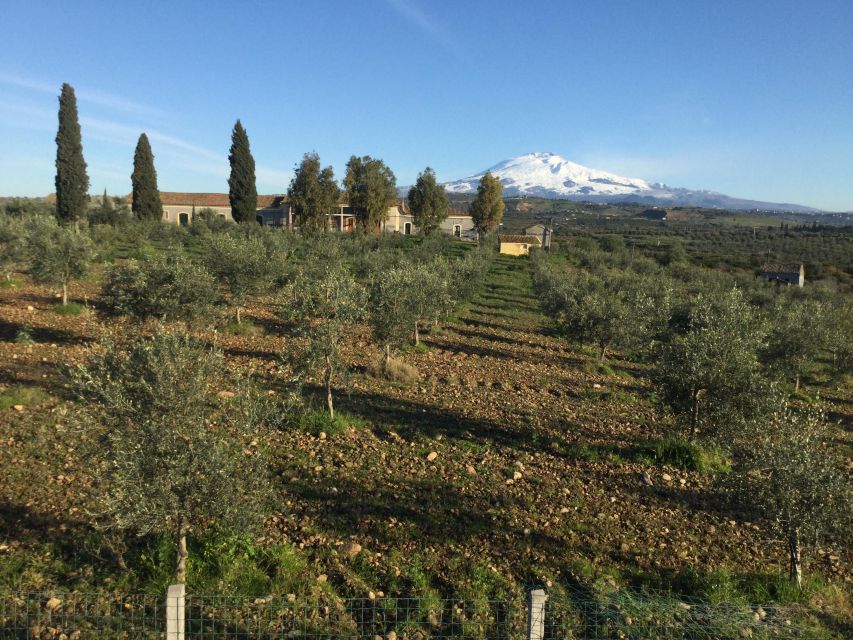
Book this tour if you want a personal, food-centered look at Sicily near Catania. The hand-dug well, the old farmhouse, and the three orchards give the visit a clear sense of place. Giuseppe’s explanations connect family tradition with modern concerns such as water use and solar power, while the tasting gives you a delicious reason to pay attention.
My strongest tip is to choose a date between March and May if you want the flowers. If you visit in another season, go for the farm story, the EVO oil, and the meal. Bring sun protection, wear proper shoes, and plan your own transport to the gate. For an authentic rural break close to Catania, this is a sound use of two hours and $41.
FAQ
Where is Pozzo di Gaspare farm?
The farm is in the Catania plain, within the territory of Motta Sant’Anastasia. It is located a few kilometers from central Catania and the airport.
How long does the tour last?
The guided farm visit lasts about two hours. Check the available starting times when you book.
What language is the tour offered in?
The live guided tour is offered in English, with Giuseppe Mazzone leading the visit.
What crops are grown at the farm?
The farm produces Etna extra virgin olive oil, blood oranges, and almonds. The property also includes a few lemon trees, according to details shared during the tour.
Can I see flowers during the visit?
You have the best chance from March through May. During this period, you may see fragrant white orange blossoms, olive flowers, and almond flowers.
What is the ancient well?
The well was dug by hand at the end of the 18th century to supply the adjacent farmhouse. It is about 20 meters deep and includes lava-stone galleries.
What food is included in the tasting?
The tasting includes EVO oil produced on the farm, local cheeses, and cured meats. Bread, olives, and blood orange salad may also be served as part of the farm tasting.
Is transportation included?
No. Transportation to and from the farm is not included. You meet at the entrance gate.
What should I bring?
Bring comfortable shoes, a hat, sunscreen, and a camera. The tour takes place outdoors on a working farm.
Just added around Catania
- Mt Etna: Winter Trekking Tour with Optional Catania Transfer★ 4.7 · 13 reviews
- Wine tour with wine tasting★ 4.7 · 18 reviews
- Sicilian Soul: Winery Tour, Wine & Food Tasting in Catania★ 5.0 · 4 reviews
- Wine tasting in Catania Historic center★ 4.4 · 15 reviews
- Trekking at 3000 meters on Etna★ 3.8 · 7 reviews
- Catania: Underground and Street Food Walking Tour★ 4.7 · 56 reviews
- Private Tour from Catania to Etna Naxos and Taormina★ 4.5 · 7 reviews
- Catania AIRPORT transfer From / To Taormina★ 5.0 · 3 reviews
Farms, compared.
Visit to the olive grove, oil tasting and lunch at the farm
Read our review →
Guided Tour of Etna with Farm Visit & Food Tasting
Read our review →
Private Etna tour and pistachio lunch in a pistachio farm
Read our review →
Etna private tour in 4×4 & Sicilian food farm experience
Read our review →
Browse the lists this tour appears in