
Reviewed · PALERMO TOURS
Palermo: Sicilian Bread Masterclass
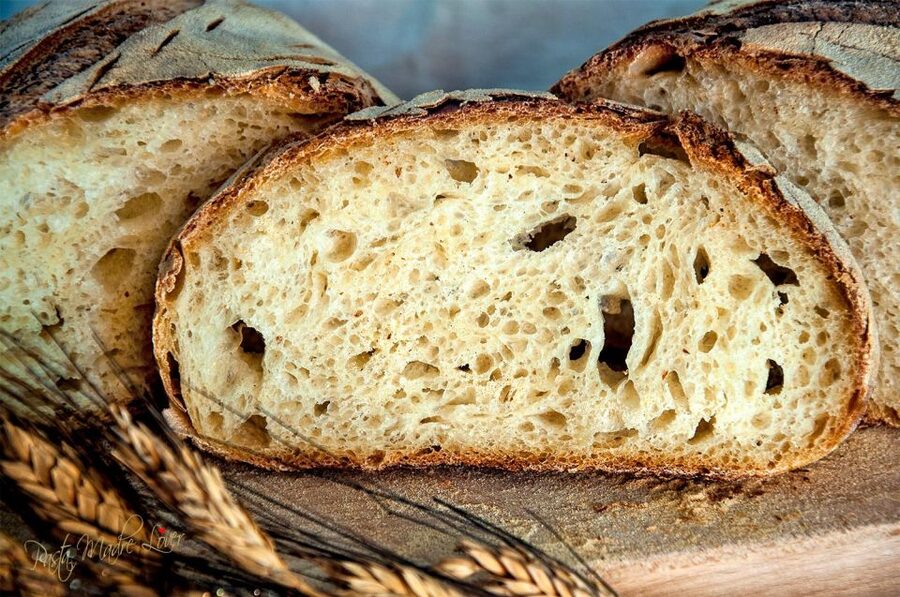
Sicilian bread is not just something placed beside a meal. In this two-hour Palermo class, chef Giacomo shows you how Palermitano, Monreale, and brioscine breads carry local habits, ingredients, and stories. You work with the dough, learn the reasoning behind each method, then sit down to taste what you helped make.
I like the hands-on focus and the chance to learn several dough styles in one session. I also like that the class goes beyond mixing flour and water, with practical advice about ingredients, flour sources, recipes, and the wider place of bread in Sicilian food culture.
The main consideration is time. Two hours gives you a useful introduction, but not a full professional baking course. You may also find the session food-heavy, so arrive hungry if you want to make the most of the tasting.
Key points at a glance
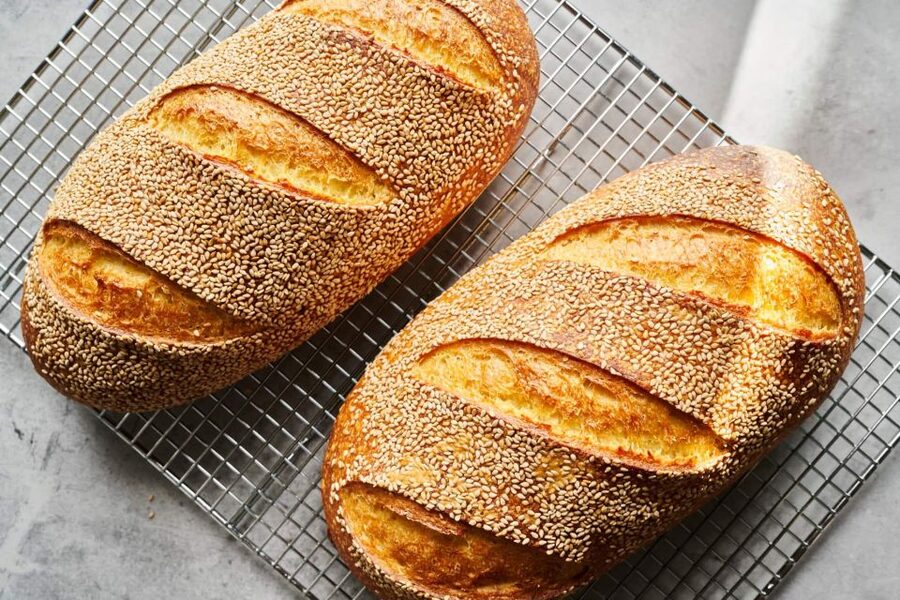
- Three Sicilian breads: Learn techniques connected with Palermitano, Monreale, and brioscine.
- Chef Giacomo leads the class: He teaches in a lively, practical way and explains the purpose behind each step.
- More than bread: Different doughs can be used for a variety of foods, not only loaves.
- A tasting at the end: The class finishes with food to sample and appreciate.
- Useful take-home material: Recipes and sources for flour and other ingredients are available.
- Easy planning: The class lasts two hours, accepts several languages, and allows cancellation up to 24 hours before the start.
Why Sicilian bread makes a good Palermo class
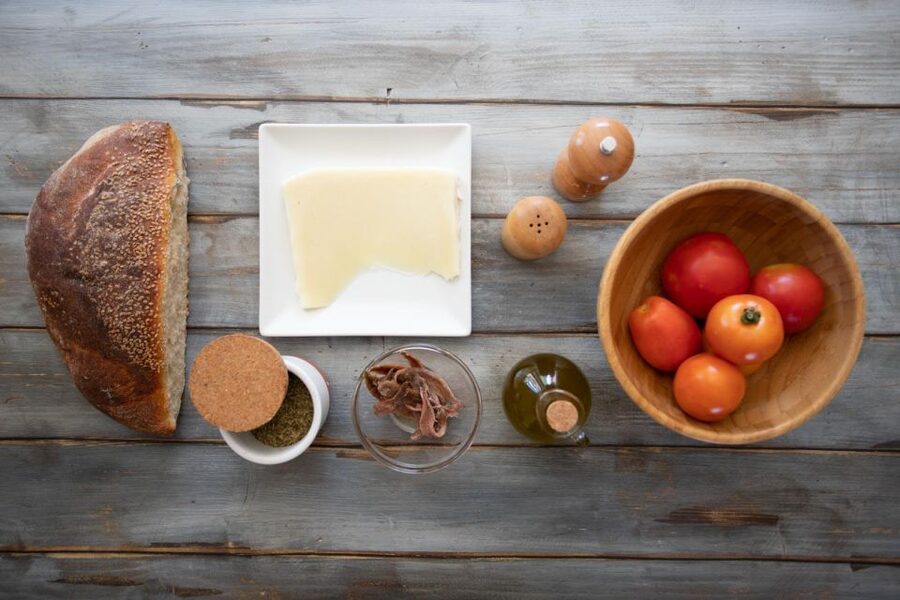
Palermo is a fine place to study bread because Sicilian cooking is built around simple ingredients used with care. Bread may look modest, but its texture, crust, flour, hydration, and baking method can tell you plenty about local food habits.
This class gives you a way to understand that food culture with your hands. You do not simply watch a baker produce a finished loaf. You learn how the dough changes as you work it, how ingredients affect the result, and why different bread styles need different treatment.
The three featured breads give the session a useful range. Palermitano connects the class with Palermo itself. Monreale adds a nearby local identity. Brioscine brings a different shape and texture to the table. The point is not to memorize three names. It is to see how small changes in dough and technique produce different results.
I like that approach for a short activity. A class focused on one recipe can leave you with a single skill. Here, you get a small working vocabulary of Sicilian baking, which makes it easier to understand bread you encounter elsewhere in the city.
A few more Palermo days worth weighing up
- Palermo: NO Mafia Walking Tour
★ 4.8 · 2,431 reviews - Palermo: Hop-on Hop-off Bus Tour 24-hour Ticket
★ 3.9 · 2,410 reviews - Palermo Original Street Food Walking Tour by Streaty
★ 5.0 · 2,105 reviews
Meeting chef Giacomo and setting the tone
Chef Giacomo is the central personality of the experience. He teaches in a way that combines instruction with conversation, so the class feels like a food lesson rather than a silent demonstration.
The activity can take place at a modern facility in Palermo or in a home setting, depending on the arrangement of your booking. That matters because the atmosphere may differ. The facility should suit you if you prefer a dedicated teaching space and a clear work area. A home setting may feel more personal and connected to everyday Sicilian cooking.
The class is also available in Italian, English, Spanish, French, and German. That is more than a booking convenience. Good bread instruction depends on small distinctions, such as how firmly to knead or how a dough should feel at a certain stage. Being able to ask questions in a language you understand well makes the lesson more useful.
The separate entrance for the class can help you get inside without joining a general line. That detail is most useful if the facility is busy, though the supplied information does not give a typical waiting time or group size.
Working through the three Sicilian doughs
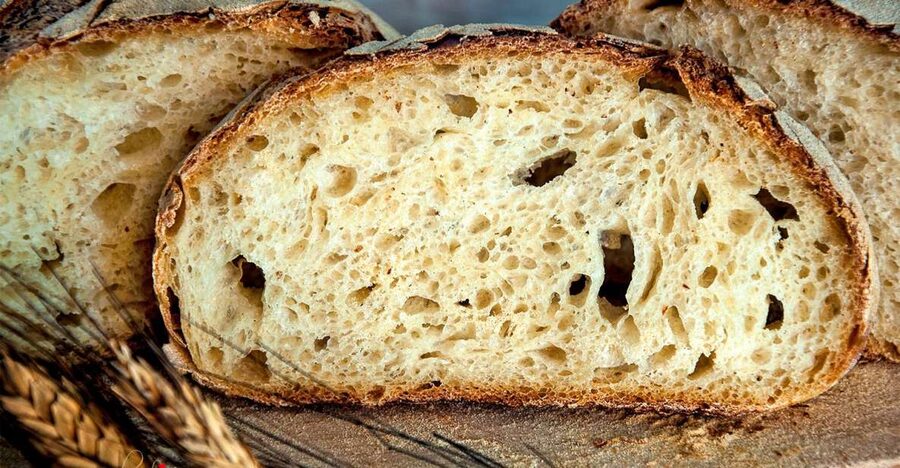
The main teaching section covers ingredient selection, kneading, and baking. You can expect the instructor to explain not just what to do, but why the method matters.
Ingredient choice is an important starting point. Flour affects the structure and flavor of bread, and the class includes advice about flour and other ingredient sources. This is valuable if you plan to repeat the recipes at home, since a recipe without guidance on ingredients can be frustratingly vague.
Kneading is where the lesson becomes physical. You get a feel for how dough changes from rough and sticky to smoother and more workable. That kind of practice is difficult to gain from a cookbook. You may not master every baking judgment in one session, but you should leave with a better idea of what your dough should look and feel like.
The class then turns to baking and tasting. The exact order can vary, especially if more than one dough is being prepared, so I would not expect every bread to follow a long, separate demonstration. The two-hour format is designed to show the methods efficiently.
One particularly useful point is that the doughs can produce more than a single kind of bread. A class participant described using three doughs to make a variety of foods, which suggests that Giacomo treats the recipes as flexible working tools rather than rigid formulas. That is good news for home cooks. You can adapt the lessons to the equipment and ingredients available in your own kitchen.
What the final tasting adds
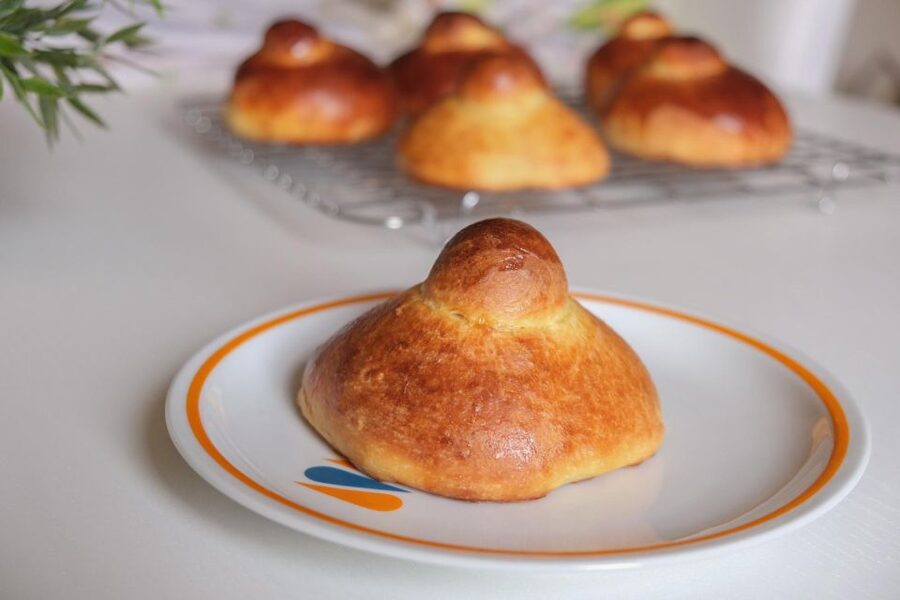
The tasting is not an afterthought. It gives you a chance to compare the breads while the lesson is still fresh in your mind.
Taste the crust first, then the inside. Notice how the texture differs from one bread to the next. Think about how the flour, dough handling, and baking method may have shaped the result. This turns the final food into a practical review of the class rather than a simple snack.
The food served can also make the session feel generous. Giacomo’s classes include more than a narrow sample of bread, and food and wine may form part of the wider experience. One practical tip is clear: do not eat a large meal before arriving. The tasting is part of the value, and you will enjoy it more with room left.
There is a social side to the meal, too. Bread has always worked well as shared food, and the class is designed to end with conversation, eating, and a sense of completion. You leave having made something, tasted it, and heard the cultural story behind it.
Booked from the same base, and a completely different kind of day:
- Segesta, Erice and Salt Pans Full-Day Excursion from Palermo
★ 4.2 · 1,791 reviews - Palermo: Teatro Massimo Opera House Guided Tour
★ 4.5 · 1,573 reviews - From Palermo: Monreale and Cefalù Half-Day Trip
★ 4.2 · 1,354 reviews - Palermo: Street Food and History Walking Tour
★ 4.9 · 1,294 reviews
Recipes, flour advice, and the value at home
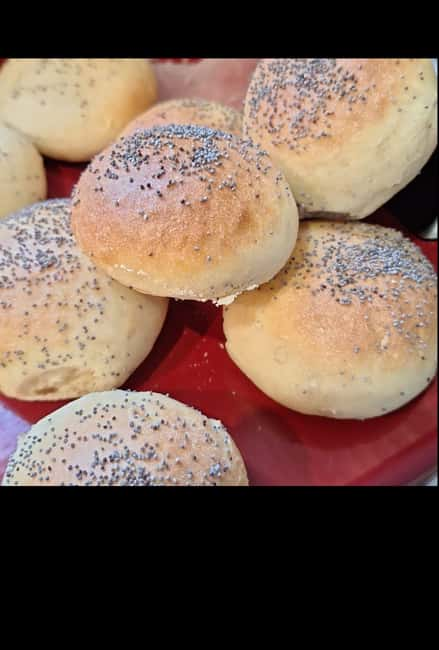
The best short cooking classes give you a way to continue after your holiday. This one includes recipes and advice about where to find flour and other ingredients.
That makes the class more useful than a pleasant afternoon with no lasting result. You can take notes, save the recipes, and try the breads at home. You will still need to adjust for your own oven, flour brands, room temperature, and available equipment, but the class gives you a sound starting point.
I would pay close attention to the flour discussion. Visitors often return from Italy with an enthusiasm for baking, then discover that local flour behaves differently from what they usually buy. Knowing what to seek, and what qualities matter, can save you from repeating a recipe several times without understanding the problem.
The class also helps you become a better judge of bread. You learn to ask useful questions: Is the crumb too dense? Is the crust properly developed? Did the dough receive enough work? Was the oven hot enough? Those questions remain helpful long after the trip.
How much value does a two-hour class offer?
No price is provided here, so I cannot judge the exact cost against other Palermo cooking activities. You can still assess the value by looking at what is included.
You are paying for a guided lesson, access to a specialist baker, instruction across three bread styles, a final tasting, and recipes or ingredient advice for later use. If food and wine are included in your session, that adds to the overall meal value.
The class is a better choice for you if you want direct instruction and a cultural connection to Palermo. It is less suitable if you only want to eat local food or if you expect to leave with the same level of skill as a trained baker.
Compared with a general pizza, pasta, or dessert class, this experience has a narrower subject but greater depth in one area. That focus is its strength. If bread matters to you, the two hours can be well spent. If you are looking for a broad introduction to Sicilian cooking, a pasta, market, or home dining experience may offer wider coverage.
Who should book this Palermo bread class?
I would recommend it most strongly to several types of visitors.
Home bakers will appreciate the technique work, ingredient guidance, and recipes. Even an experienced baker may pick up a new way to handle dough, as one participant who already baked regularly did during the class.
Food-focused visitors will enjoy the link between bread and Sicilian identity. You do not need to be an expert. Curiosity is enough, and the tasting helps you connect the lesson with the finished food.
Couples, families, and small groups may like the mix of practical work and shared eating. The class gives you something to do together, rather than asking everyone to sit quietly through a demonstration.
It also suits visitors who want a more personal food encounter. The home option, when offered for your booking, can provide a different feel from a standard cooking school. If you prefer polished facilities, choose the Palermo teaching site instead.
I would be less likely to recommend it to someone who dislikes hands-on cooking, has little interest in bread, or wants a long, technical course. Two hours is enough for a strong introduction, not enough for every detail of fermentation, oven control, or professional production.
Language, access, and planning details
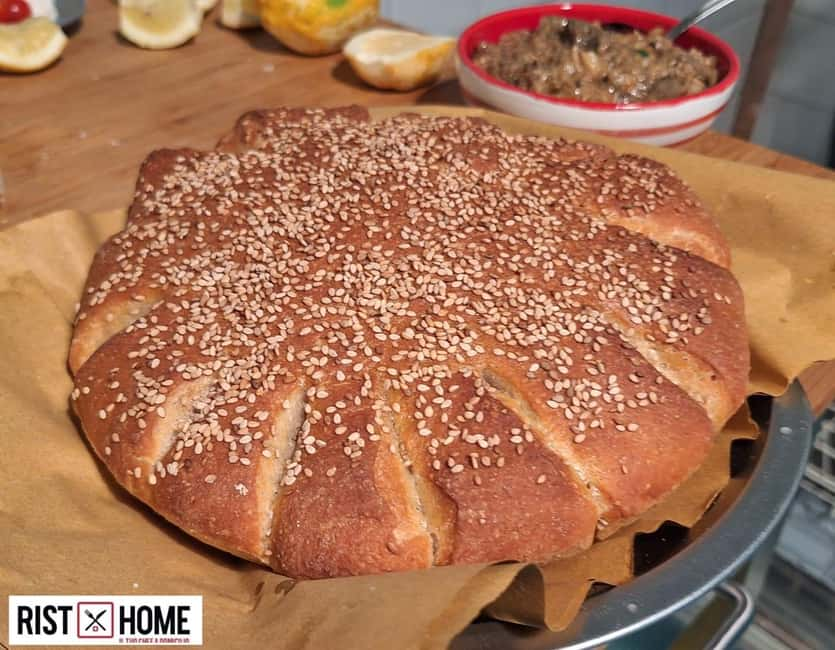
The instructor can teach in Italian, English, Spanish, French, or German. Check your preferred language when booking so the session matches your needs.
The activity lasts two hours, with starting times based on availability. It is wheelchair accessible. A separate entrance is available for the class, and you can cancel up to 24 hours before the start for a full refund.
You can also reserve now and pay later. That helps if you are still arranging a Palermo itinerary, though you should still check the final booking terms and available time before committing.
Since the class is food-centered, plan it at a time when you can enjoy the tasting. A rushed appointment immediately before another major meal would waste part of the experience.
How it compares with other Palermo food classes
Palermo has many food activities, and the right choice depends on what you want to learn.
A pizza and gelato class gives you two familiar Italian favorites and may suit families or first-time cooks. A pasta and tiramisu class covers a wider range of dishes and works well if you want a classic Italian meal.
A market and cooking class adds the experience of selecting ingredients, while a home dining activity focuses more on sharing a meal than on mastering a particular technique. A ravioli and cannoli class is a stronger choice if fresh pasta and Sicilian sweets are your priority.
Choose this bread masterclass when you want the subject to be bread itself. The appeal is not variety across all Italian cooking. It is the chance to look closely at Sicilian dough, learn from a dedicated baker, and carry the method home.
Should you book the Sicilian Bread Masterclass?
Book it if you want a practical food experience with a clear Sicilian focus. Chef Giacomo brings teaching, tasting, and local food knowledge together in a compact two-hour session, and the recipes and flour advice give the class value after you leave Palermo.
Skip it if you are mainly seeking a full meal, a market visit, or a broad survey of Italian cooking. For everyone else, especially home bakers and curious food lovers, this is a focused and worthwhile way to understand Palermo through one of its most basic foods.
FAQ
How long does the Palermo Sicilian Bread Masterclass last?
The class lasts two hours.
Which breads will I learn to make?
The class focuses on Palermitano, Monreale, and brioscine breads.
Who teaches the bread class?
Chef Giacomo leads the experience. The provider is RistHome, Private Chef and Maestro of Mediterranean Fine Dining.
Which languages are available?
The class is available in Italian, English, Spanish, French, and German.
Is the experience wheelchair accessible?
Yes, the activity is wheelchair accessible.
Can I cancel the booking?
Yes. You can cancel up to 24 hours before the activity for a full refund.
Can I reserve now and pay later?
Yes. The booking option allows you to reserve your place and pay later, helping you keep your travel plans flexible.
Just added around Palermo
- Valley of the Temples and Villa Romana Multi-Language Tour★ 4.8 · 5 reviews
- Valley of the Temples★ 5.0 · 43 reviews
- Sicilian Winery Tour with Wine Tasting from Palermo★ 5.0 · 12 reviews
- Traditional Sicilian Recipes in Palermo★ 5.0 · 4 reviews
- Palermo: Medieval castles of Caccamo & Cefalù. Small Group Tour★ 5.0 · 24 reviews
- Private Transfer from/to Castellammare del Golfo★ 5.0 · 24 reviews
- UNESCO Day Trip – Monreale & Cefalù★ 5.0 · 6 reviews
- Palermo on a plate: Traditional Food & Wine tour (by Streaty)★ 5.0 · 119 reviews
Palermo Tours, compared.
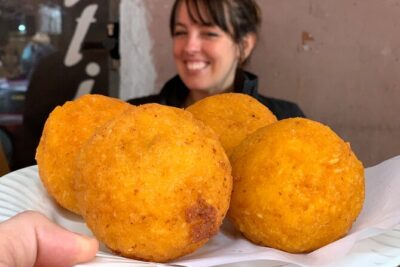
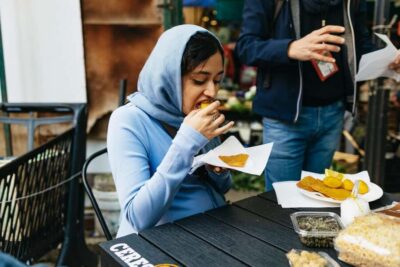
Palermo Original Street Food Walking Tour by Streaty
Read our review →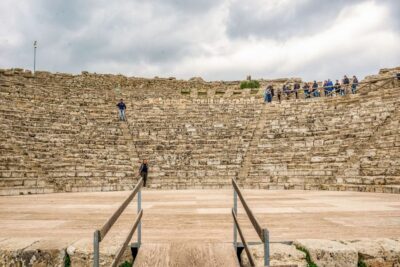
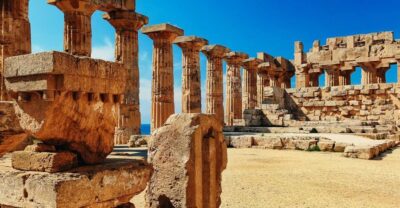
Segesta, Erice and Salt Pans Full-Day Excursion from Palermo
Read our review →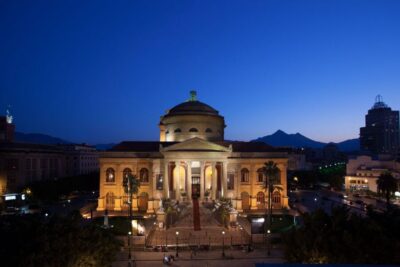
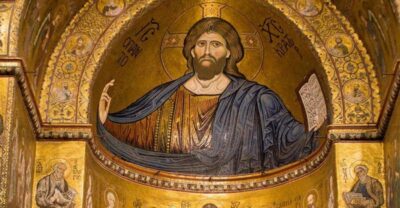
Agrigento and the Valley of the Temples Day Tour
Read our review →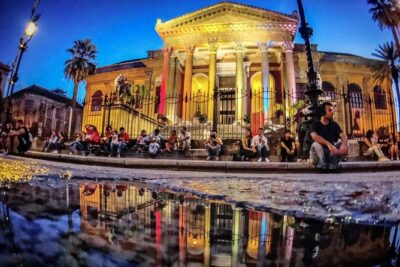
Palermo No Mafia walking tour: discover the Anti-mafia culture in Sicily
Read our review →Browse the lists this tour appears in