
Reviewed · WALKING TOURS
Ragusa Ibla: Walking Tour with Local Guide
Ragusa Ibla’s charm comes into focus on foot, where a Gothic-Catalan stone portal, palm-lined garden, quiet lanes, and Baroque churches all fit into one compact old town. The tour ends at San Giorgio Cathedral, reached by a grand staircase in the main square.
I like the route’s mix of major sights and small details, especially the old artisan shops and balconies held up by comic Baroque masks. I also like having a private guide who can explain Ragusa’s earthquake, churches, and local customs in your language. The main drawback is time: two hours gives you a good introduction, but not a leisurely look at every interior or a climb toward Ragusa Superiore.
Key points at a glance
- Begin at the surviving San Giorgio Portal: See Ragusa’s only major architectural remnant from before the earthquake.
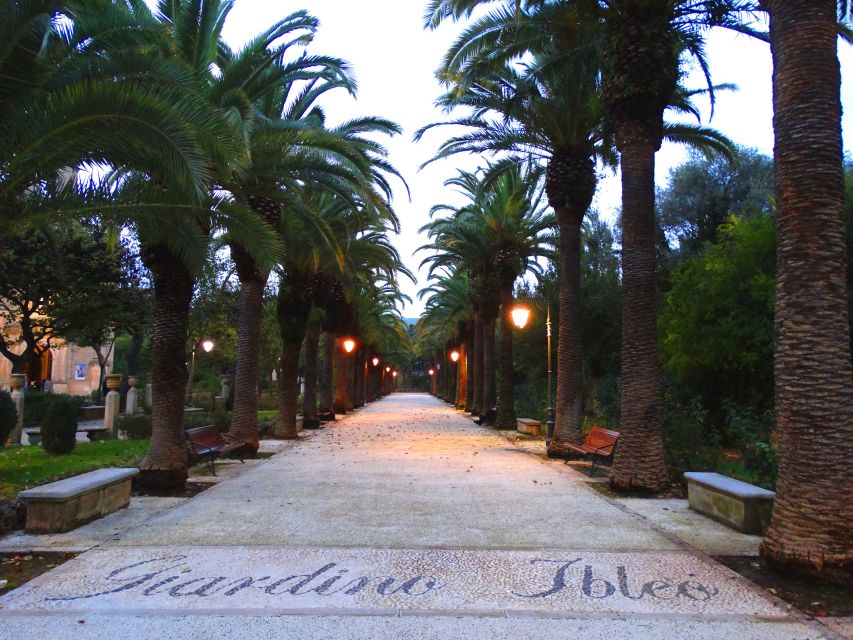
- Walk through Ibleo Garden: Follow its avenue of 50 palm trees, fountains, churches, and views toward the Irminio Valley and Iblei Mountains.
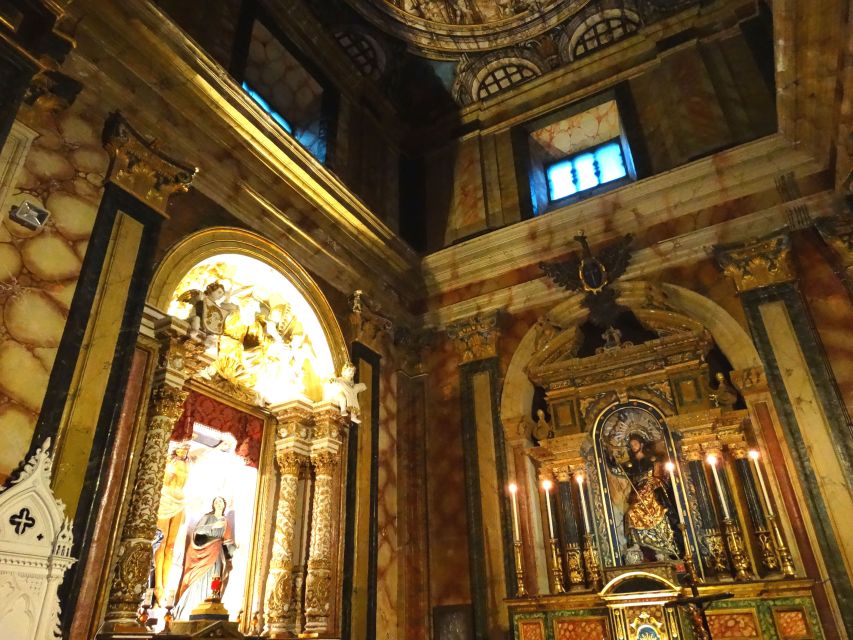
- Step inside San Giacomo Church: Look for the wooden ceiling, Corinthian columns, statues, and paintings.
- Spot Ragusa’s Baroque character: See carved balcony masks, elegant palaces, Sicilian ceramics, and workshops making traditional carts.
- Visit the Conversation Circle: Peek into the refined nineteenth-century meeting place of Ragusa’s old nobility.
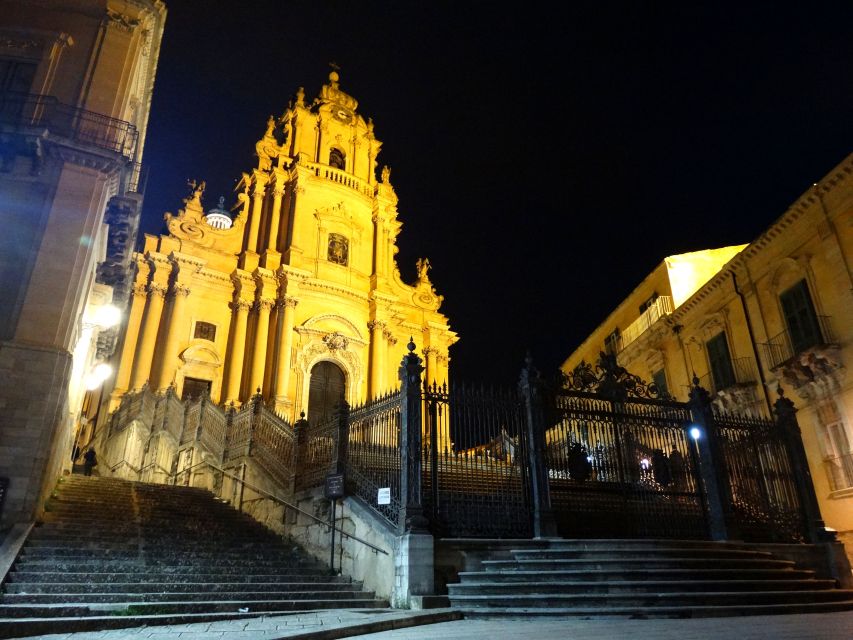
- Finish at San Giorgio Cathedral: Climb the imposing staircase and see paintings, a large pipe organ, and the statue of St. George.
Starting at Ragusa’s San Giorgio Portal
Meet your licensed guide at the Portal of San Giorgio on Via dei Normanni, in front of the Risìu restaurant. Look for the guide’s clearly visible license badge. This detail matters in a busy historic center, since it gives you a simple way to identify the right person.
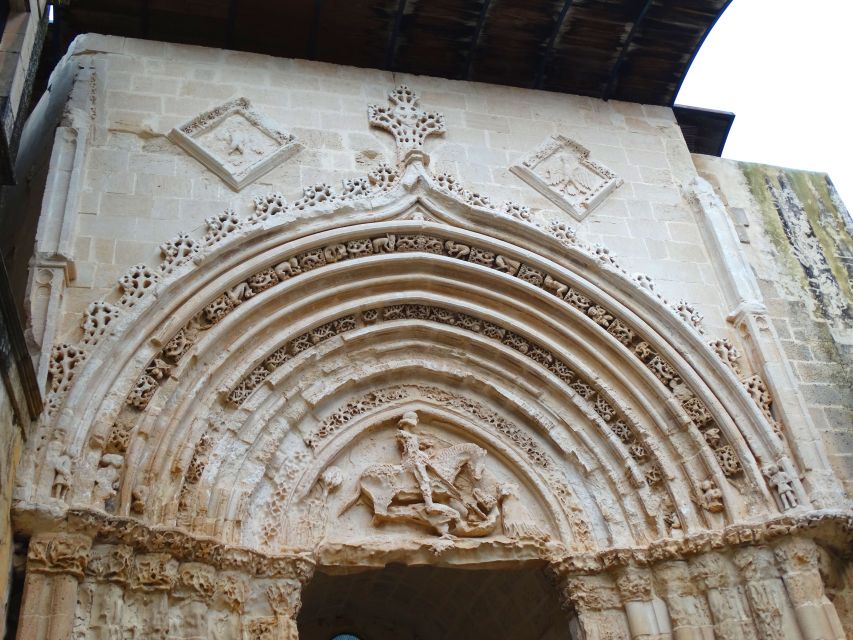
The portal is an excellent starting point. It is not a complete church or grand palace, but a surviving fragment with real drama behind it. The earthquake destroyed much of the old town, including the earlier Cathedral of San Giorgio. This pale pink Gothic-Catalan arch survived, and its central carving shows Saint George fighting the dragon.
I like beginning here because the portal gives you a physical link to the Ragusa that existed before the late Baroque rebuilding. Your guide can set up the rest of the walk by explaining why the cathedral was later rebuilt elsewhere in Ibla and why Ragusa now feels like a town shaped by both disaster and renewal.
The meeting point is easy to understand, but the tour does not include transportation. You need to arrange your own way to Ibla, and the experience begins at the portal rather than at your hotel or a transport hub.
More Walking Tours in Ragusa:
- 3-hour walking tour Discovering Ragusa Baroque
★ 5.0 · 51 reviews - Ragusa Walking tour
★ 5.0 · 13 reviews - Ragusa Ibla Walking and Photography Tour
★ 5.0 · 3 reviews
Ibleo Garden and the Church of San Giacomo
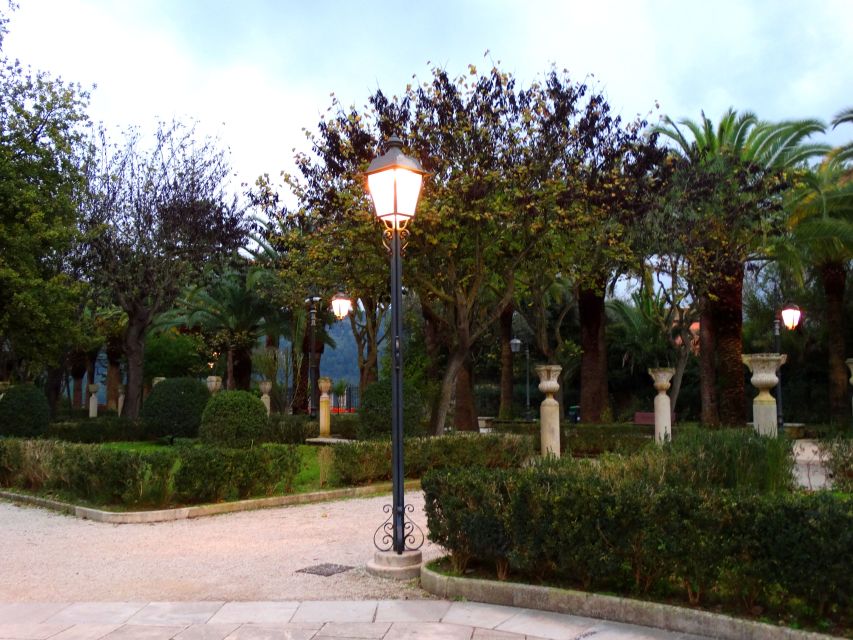
A short walk brings you to Ibleo Garden, Ragusa’s oldest public garden. Built in the nineteenth century, it looks out toward the Irminio Valley and the Iblei Mountains. Its setting gives you a break from stone lanes and church facades, while also showing how much open space Ragusa has preserved within the old district.
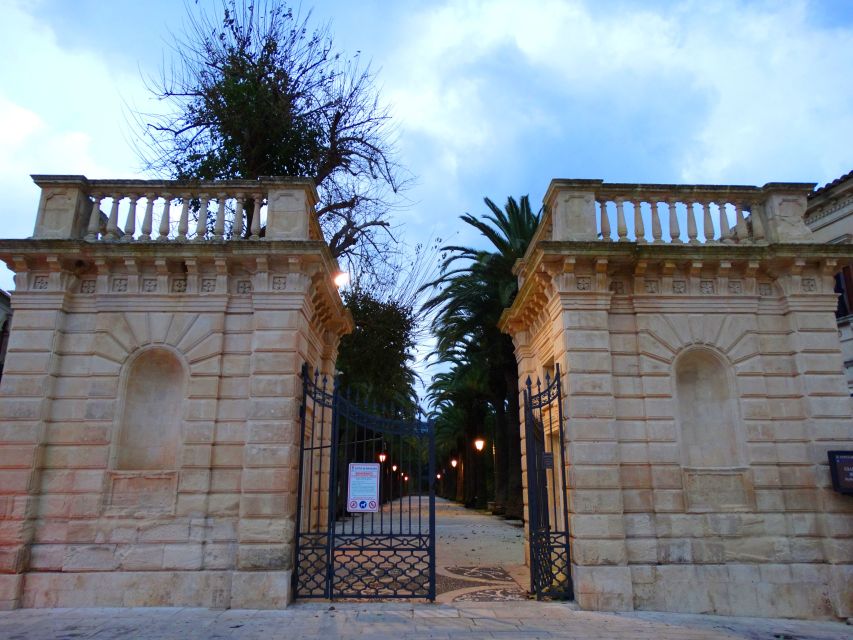
The entrance is marked by an avenue lined with 50 palm trees and an elegant balcony along the garden’s edge. Inside, you’ll find older trees, exotic plants, fountains, a monument to those who died in the First World War, and several churches.
One fountain has the shape of Sicily, a small detail that rewards a slower look. I would not rush this part of the walk. The garden is one of the few stops where you can pause, look outward, and get a sense of the surrounding hills instead of focusing only on buildings.
The visit to San Giacomo Church adds substance to the garden stop. The church occupies the site of an ancient temple, and its interior includes a wooden ceiling, Corinthian columns, statues, and paintings. The exact amount of time inside depends on the guide and the church’s opening conditions, so it is best to treat this as a planned highlight rather than a guarantee of extended interior access.
Baroque lanes, balconies, and local workshops
After the garden, the route turns into the historic center’s narrow streets. This is where the tour feels most like a walk through a living town rather than a sequence of famous monuments.
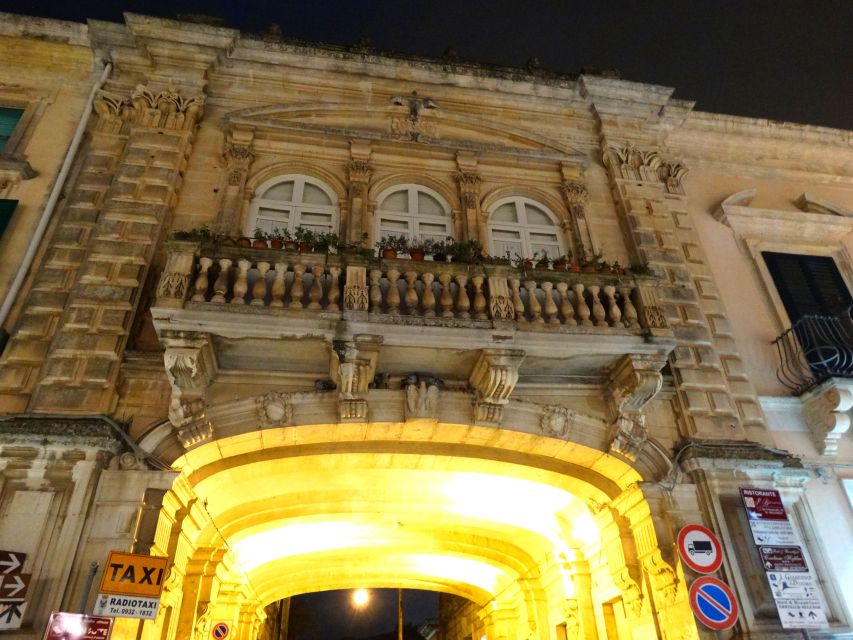
You’ll pass elegant palaces viewed from the outside, many with balconies supported by carved Baroque masks. These faces can look comic, stern, or downright odd. They are easy to miss if you walk alone while watching only for church domes, so a local guide adds real value here.
The route also includes Sicilian ceramics shops and artisan workshops where traditional Sicilian carts are still made. The tour does not include shopping or food, but these stops give you a chance to see local craft traditions in their everyday setting. If you want souvenirs, note the names of shops that interest you and return after the tour rather than trying to browse while keeping pace with the group.
The streets are part of the attraction, but they may not be effortless for everyone. Ragusa’s old center includes steps and sloping routes, and the final approach to the cathedral uses an imposing staircase. The supplied details do not specify accessibility arrangements, so anyone concerned about stairs should ask before booking.
The Conversation Circle and Church of San Giuseppe
The Conversation Circle, also called Caffè dei Cavalieri, offers a change of mood. This elegant neoclassical building was created in the nineteenth century as an exclusive meeting place for Ragusa’s nobles.
You mainly see it from outside. Through the exterior, you may notice the frescoes, chandeliers, and mirrors that create a formal nineteenth-century interior. It is a useful stop because it shows another side of Ragusa. The town is not only churches and earthquake-era rebuilding. It also has a story of social rank, private clubs, and local elites.
The route continues along the main street toward the cathedral and reaches the Church of San Giuseppe. Its Baroque facade resembles San Giorgio Cathedral, giving you a chance to compare the two buildings. Inside, the colored majolica floor adds another layer of Sicilian style.
I appreciate this middle section of the tour because it connects the grand sights with the town’s smaller visual clues. You are not simply being led from one famous doorway to another. You are learning to notice ceramics, balcony supports, church floors, and the ways local buildings reflect changing tastes.
A few more Ragusa days worth weighing up
- Noto, Modica and Ragusa: The Baroque Tour from Catania
★ 4.8 · 133 reviews - Catania: Noto, Modica and Ragusa Ibla Baroque Tour
★ 4.4 · 106 reviews - Baroque tour: Ragusa, Modica and Noto
★ 5.0 · 81 reviews - From Syracuse: Car/Minivan Tour to Noto, Ragusa and Modica
★ 4.6 · 50 reviews
Reaching San Giorgio Cathedral by its grand staircase
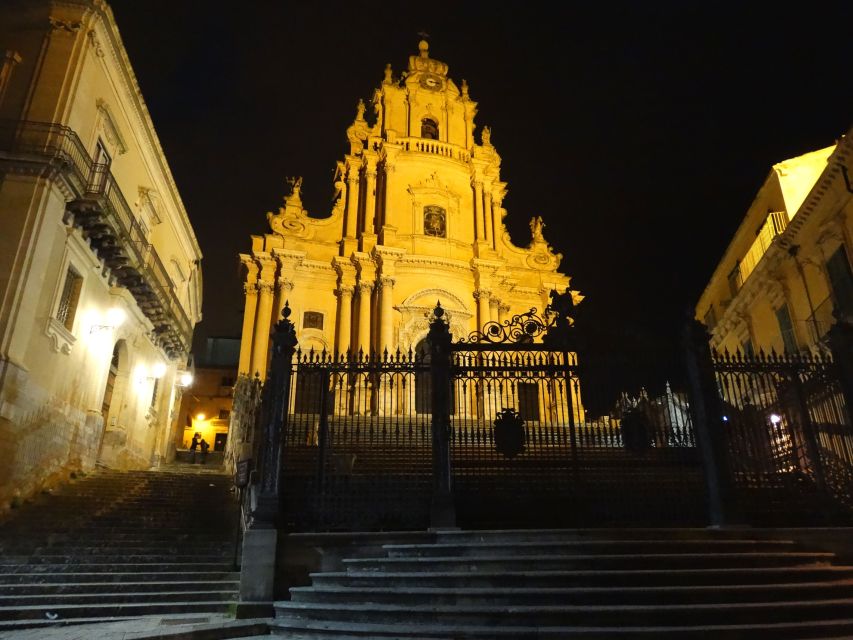
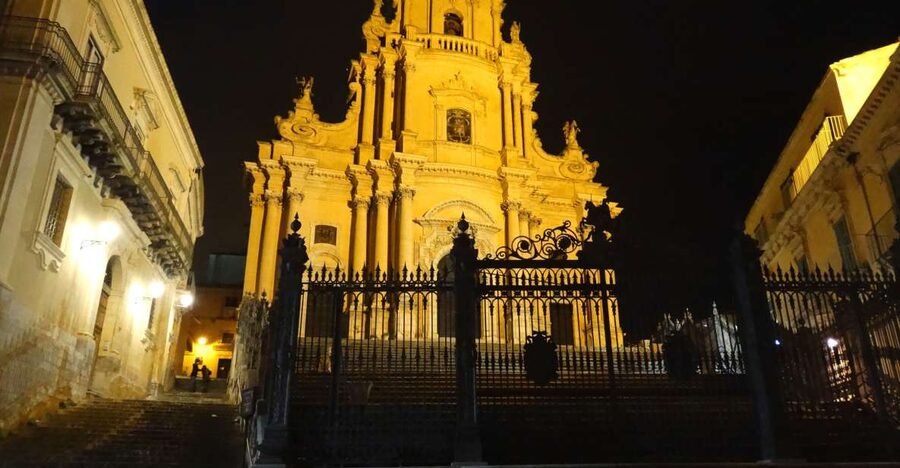
The final major stop is Ragusa’s symbolic monument, the Cathedral of San Giorgio. It sits at the high point of the main square, reached by a broad staircase that makes the approach feel ceremonial.
The cathedral replaced the earlier church destroyed in the earthquake. Its position and scale give the end of the tour a clear sense of arrival, even though the walk has covered only two hours.
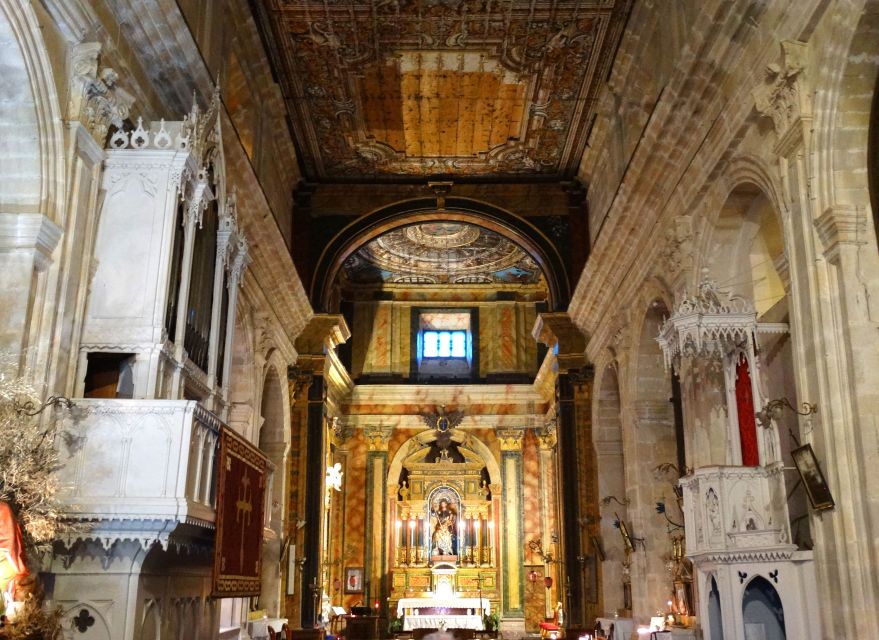
Inside, you can see paintings by eighteenth-century Sicilian masters, a large pipe organ, and a statue of Saint George on horseback with its reliquary. These details give the visit more weight than a quick look at the facade. The guide can explain how the cathedral fits into Ragusa’s religious and architectural story.
The cathedral is also where the short tour’s limits become clear. If you want time for quiet prayer, close study of every painting, or a longer visit to the square, you may need to continue on your own after the guide leaves. One useful suggestion from the experience is to allow extra time if you want views toward the upper part of Ragusa. The two-hour route does not continue up the stairs to Ragusa Superiore, and that higher viewpoint would help you understand the town’s split levels.
What the private format means for the price
The price is $389.70 per group of up to 15 people. That is a high total for one or two people, but the calculation changes for a larger private party.
For 15 people, the cost works out to about $26 per person. For 10 people, it is about $39 per person. For four people, it is nearly $97 per person, and for two, about $195 per person. The guide is the only included service, so you are paying for a private two-hour explanation of Ragusa rather than transport, meals, or entry add-ons.
I see the strongest value for families, friends, or organized groups that want their own guide and a fixed route. A private format means you can ask questions, hear the guide clearly, and avoid joining an unknown group. It also gives you more control over the conversation, though the two-hour length still limits how long you can linger.
For a couple on a tight budget, the price is harder to justify. You could see many streets and exteriors without a guide. The tour earns its cost through context: the earthquake story, the symbolism of the portal, the church interiors, the old social club, and the small craft details that are easy to pass without explanation.
Guides, languages, and the style of the walk
The tour is offered in Italian, English, French, and Spanish. The guide is licensed, and the experience is private. Federica is one guide associated with this experience, and her approach has been described as pleasant, local, and helpful with restaurant suggestions. Your assigned guide may be someone else, so you should not book solely expecting Federica.
The local angle is useful in Ragusa. A guide who lives in the area can give you more than dates and architectural labels, including practical advice about where to eat after the walk. Still, restaurant recommendations are an extra benefit, not a promised meal or tasting.
The pace should suit you if you want a focused introduction. The route includes several outdoor stops, church interiors, a garden, artisan areas, and a cathedral within two hours. That is efficient, but it is not designed for long shopping breaks or extensive photography at every corner.
Who will get the most from this Ragusa walk
I would choose this tour if you are visiting Ragusa for the first time and want the old center to make sense quickly. It is especially useful if Baroque architecture interests you but you want a guide to point out details beyond the main facades.
It also suits families and groups with mixed interests. One person can focus on churches, another on crafts, and another on local history, while the guide ties the stops together. The private setup is a practical advantage when your group wants to ask questions or move at its own pace.
You may want a different plan if you dislike stairs, need a fully accessible route, or want a full-day experience. The tour does not include pickup, drop-off, food, drinks, or a visit up to Ragusa Superiore. It is a compact orientation, not a complete day in southeastern Sicily.
Cancellation is flexible, with a full refund available when you cancel at least 24 hours ahead. You can also reserve and pay later, which helps if your schedule is still changing.
Should you book the Ragusa Ibla walking tour?
Book it if you want a private, guided introduction to Ragusa Ibla and your group can share the cost. The route has a strong mix: the surviving San Giorgio Portal, Ibleo Garden, San Giacomo Church, Baroque lanes, local workshops, the Conversation Circle, San Giuseppe, and the cathedral.
I would be less eager to book it for only one or two people at the full group price. In that case, compare the cost with your interest in local history and architecture. If you want context, a local guide can make the town far easier to read. If you mainly want photographs and a slow wander, you may prefer to explore independently and spend your money on a longer meal or another paid sight.
For most groups, this is a well-shaped two-hour introduction. Just arrive ready for steps, keep your expectations realistic about the short duration, and save time afterward for the upper town or a meal recommended by your guide.
FAQ
Where does the Ragusa Ibla tour begin?
The meeting point is the Portal of San Giorgio on Via dei Normanni, in front of the Risìu restaurant. The guide will wear a clearly visible license badge.
Where does the tour end?
The activity ends back at the meeting point.
How long does the walking tour last?
The tour lasts two hours. Starting times depend on availability.
What languages are available?
The tour is available in Italian, English, French, and Spanish.
Is this a private tour?
Yes. It is a private group experience for up to 15 people.
Are transportation, food, or drinks included?
No. The tour includes a licensed guide only. Transfers, pickup and drop-off, food, and drinks are not included.
Just added around Ragusa
- Tour Ragusa Ibla, Modica and Noto, from Syracuse★ 5.0 · 3 reviews
- HALF DAY excursion – Tour Montalbano – Ragusa Ibla and Modica★ 5.0 · 10 reviews
- Small Group Market tour and Cooking class in Ragusa★ 5.0 · 3 reviews
- Ragusa, Noto and Chocolate Tasting – Day tour from Siracusa★ 5.0 · 9 reviews
- Ragusa and Modica – Montalbano Tour (departure from Siracusa)★ 4.0 · 9 reviews
- Ragusa Walking tour★ 5.0 · 13 reviews
- Ragusa Ibla Walking and Photography Tour★ 5.0 · 3 reviews
- Ragusa coast: Private Sailing tour★ 4.5 · 3 reviews
Walking Tours, compared.
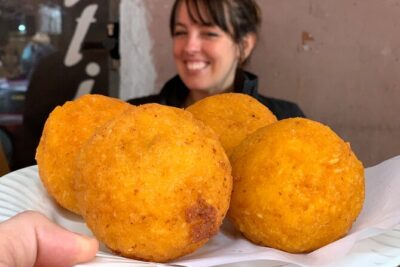
Palermo Original Street Food Walking Tour by Streaty
Read our review →
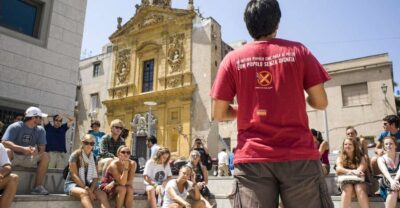
Palermo No Mafia walking tour: discover the Anti-mafia culture in Sicily
Read our review →
Street Food Walking Tour with Local Guide & Tasting
Read our review →Browse the lists this tour appears in