
Reviewed · SYRACUSE ARCHAEOLOGICAL PARK TOURS
Ancient Syracuse: private guided tour of the Neapolis archaeological park
The most memorable part of this Syracuse tour is the chance to hear the ancient quarries and step into the Ear of Dionysius, a huge cave carved from stone. The private format gives you room to ask questions, linger at the sites, and set the pace for your own group.
I like the way guides such as Eva and Martina bring small details into the story, from Roman gladiatorial games to acanthus leaves carved into ancient marble. I also like the choice of morning or afternoon departures. The main caution is important: the park entrance fee is not included, and summer seating can cover much of the Greek Theater.
Key points to know before booking
- A private English tour: Your group has the guide to itself, making it easier to ask questions and adjust the pace.
- The Greek Theater is the main prize: It is Sicily’s most important ancient Greek theater, but temporary seating can cover it during the performance season.
- The Ear of Dionysius is a short but memorable stop: Its size and acoustics make it one of the park’s most unusual sights.
- Allow for a walking tour, not a quick photo stop: Comfortable shoes are recommended, and the open areas can feel hot.
- Tickets are extra: Buy or arrange the park admission separately, unless you choose the tour option that includes a ticket.
- The meeting point matters: Start at Largo Anfiteatro, 2, and check your confirmation carefully before arriving.
Why a private walk helps at Neapolis Park
Syracuse’s Neapolis Archaeological Park is not a single monument with a simple path through it. It is a large archaeological area containing Greek, Roman, and later remains, with quarries, theaters, caves, and layers of city history spread across the grounds.
That can make a self-guided visit feel like a collection of impressive stones without a clear story. I like this tour because the guide connects the places instead of treating each one as an isolated stop. You learn what the site was used for, how it fit into Syracuse, and why a particular cut in the rock matters.
The private setup is especially useful for families and mixed-age groups. One guide, Eva, has been praised for keeping a 10-year-old interested while still answering detailed questions from adults. That is a good sign for families who want more than a formal speech delivered at fixed points.
The advertised duration is about 1 hour and 30 minutes, while the route details describe roughly two hours in the park. Plan for a substantial walk rather than a rushed visit. The exact length may depend on the pace of your group, the guide’s explanations, and time spent at the ticket office or individual monuments.
More visits to the Neapolis park:
- Syracuse: Neapolis Archaeological Park Small Group Tour
★ 4.7 · 350 reviews - From Catania: Neapolis of Syracuse, Ortygia, and Noto Tour
★ 4.7 · 234 reviews - Syracuse: Ortigia and Neapolis Guided Walking Tour
★ 4.7 · 205 reviews
Entering the park at Largo Anfiteatro
The tour begins at Largo Anfiteatro, 2, in Syracuse. This is also where the activity ends, so you do not need to arrange a separate return transfer. The park is near public transportation, and the meeting point is given on the confirmation voucher.
Arrive at the stated location and keep your phone available. One poor experience involved confusion over the meeting place, which required the guide to call several times and walk to another point in the park. That is an avoidable problem. Read the meeting instructions before setting out, especially if you have entered the park earlier on your own.
The park ticket is not included in the standard price of $108.24 per person. This matters when comparing the tour with a normal entrance visit. The guide’s time and the private service make up much of the cost, but you still need to budget for admission.
There is a practical reason the ticket may be separate. Certain visitors, including minors and teachers, can qualify for free or reduced entry with identification. If you are eligible for a concession, having the ticket handled separately may save money. If convenience matters more, check the tour option that includes a ticket.
The Greek Theater: the centerpiece of the visit
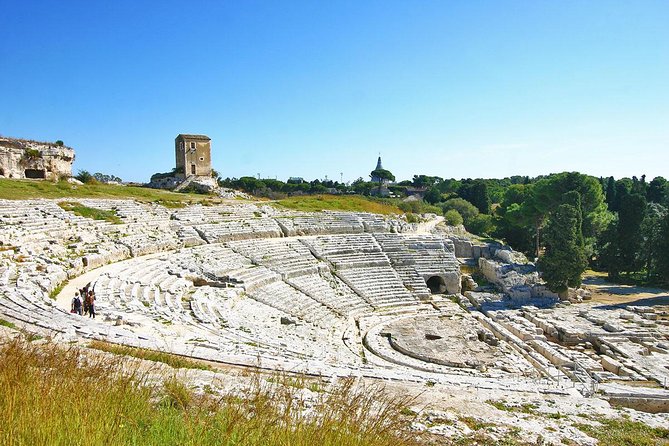
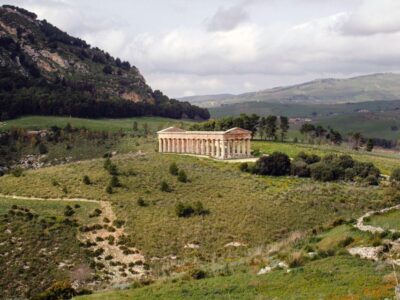
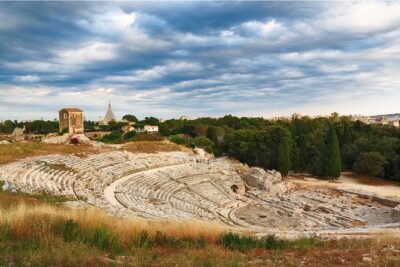
The Teatro Greco is the chief reason many people come to Neapolis Park. It is described as the most important ancient Greek theater in Sicily, and its scale gives you a clear sense of Syracuse’s importance in the ancient world.
Your guide can explain how the theater functioned and place the stone seating, stage area, and surrounding rock in context. This is where a private explanation adds real value. Without help, it is easy to admire the shape of the theater without understanding how the parts worked together.
There is one major seasonal catch. During the performance season, usually spring and summer, temporary wooden bleachers cover the Greek Theater and make only part of it visible. The modern performances are themselves an interesting continuation of the site’s theatrical role, but the seating can hide the ancient form you came to see.
If the uncovered theater is your main priority, ask about current conditions before booking. The tour description includes this warning, but it is easy to miss when you are focused on the photographs. I would not book on the assumption that the theater will look exactly like an empty archaeological site in every season.
The open setting also means heat can become a factor. One useful tip from the experience is to bring an umbrella in summer. It can provide shade during explanations, particularly when the sun is strong and there is little shelter near the ruins.
The Ear of Dionysius and the stone quarries
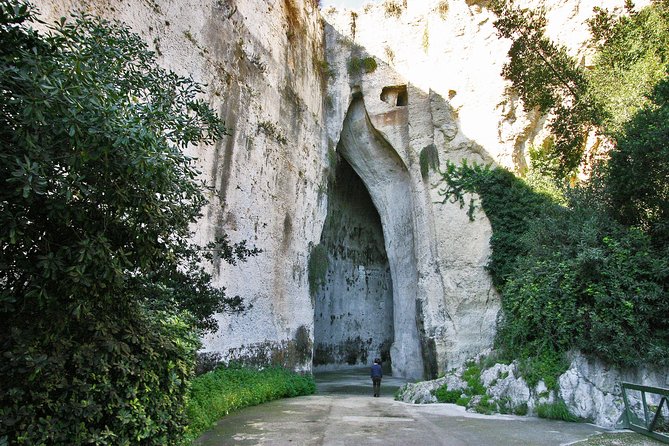
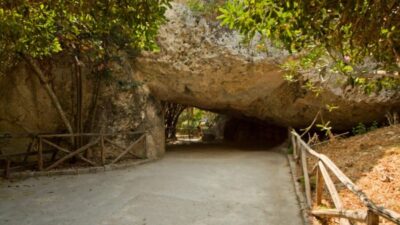
The Ear of Dionysius is one of Syracuse’s most memorable places. It is a large ancient quarry cut into the rock, and its unusual shape gives the site a strong sense of drama even before your guide explains its name and stories.
The acoustics are part of the fun. Sounds can carry through the cave, and singing can make the effect obvious. Your guide can help you notice how the space handles sound, rather than leaving you to walk through it without understanding why it feels so unusual.
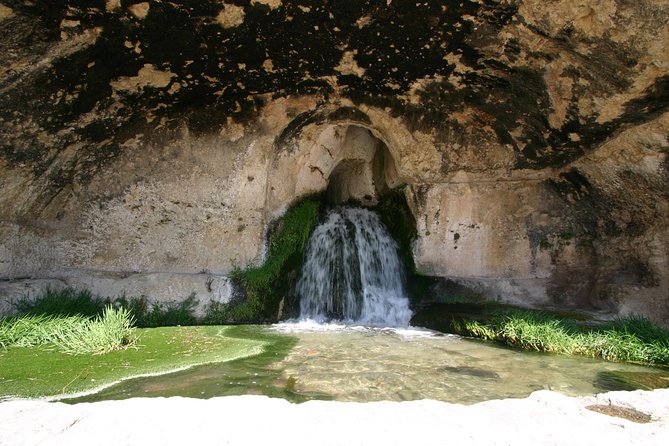
The surrounding ancient Greek stone quarries are also important. These quarries show that the park was not built only for public performances or grand monuments. The rock itself was part of Syracuse’s story, providing building material and creating the spaces later remembered through local legends.
I would give this stop more attention than its listed 15 minutes might suggest, if the schedule allows. The cave is physically different from the theater and amphitheater, so it breaks up the tour and gives you a more direct feel for the ancient working site.
Watch your footing and wear sensible shoes. The tour is a walking experience, and comfortable footwear is specifically recommended. The park’s open paths and uneven archaeological ground are not ideal for flimsy sandals.
A few more Sicily days worth weighing up
- Etna Morning Trip
★ 4.5 · 1,241 reviews - Syracuse: Boat Trip of Ortigia Island and Sea Caves
★ 4.7 · 937 reviews - Tour of the island of Ortigia and exploration of sea caves with baths.
★ 5.0 · 668 reviews - Pub Crawl Palermo
★ 5.0 · 595 reviews
The Roman Amphitheater and its gladiator story
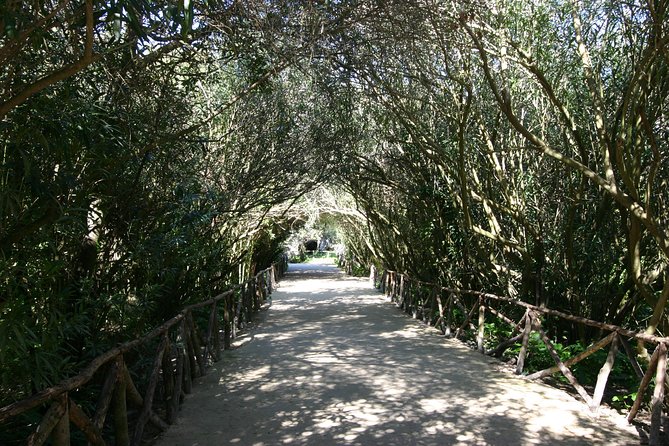
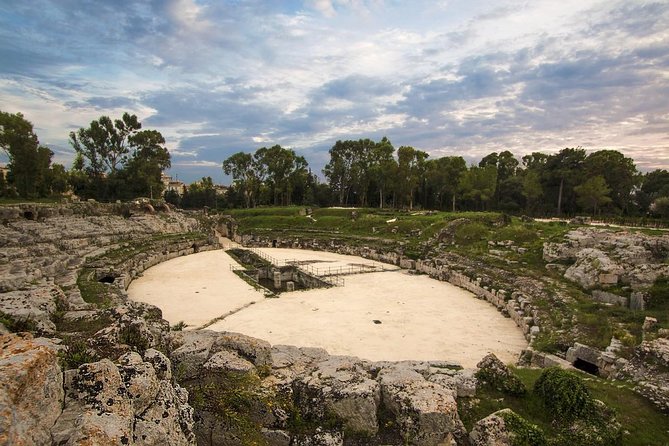
The Anfiteatro Romano di Siracusa adds a later chapter to the park. Unlike the Greek Theater, which is tied to Greek drama, the Roman amphitheater brings gladiatorial contests and Roman public entertainment into the story.
The stop is brief, about 15 minutes in the stated schedule, but your guide can explain how the amphitheater was used and how it differed from the Greek theater. That contrast helps you understand that Syracuse was not frozen in a single ancient period. Its public buildings changed as political power and cultural habits changed.
The amphitheater is a good example of why I prefer a guided visit here. You can see the structure, but the function is less obvious than the broad shape of the building suggests. A clear explanation about spectators, events, and Roman use gives the stones a purpose.
Do not expect the Roman amphitheater to replace the Greek Theater if summer seating hides the latter. It is an interesting secondary monument, but the two sites offer different experiences. The Greek theater is the visual centerpiece, while the amphitheater helps complete the park’s timeline.
Guide quality and the value of private attention
The strongest part of this experience is the guide. Eva is repeatedly described as warm, patient, and full of useful detail. Martina is also praised for her local knowledge, clear speaking style, and ability to make the visit pleasant.
Those qualities matter more here than a polished script. The park has enough layers that your questions can shape the visit. You might want more archaeology, more architecture, more stories about ancient daily life, or a simpler explanation for children. A private guide can respond in the moment.
One small detail from an especially attentive visit shows the value of that approach. Eva pointed out living acanthus leaves near the path, then connected them with the acanthus designs carved into marble column capitals and decorations. That kind of observation turns a walk through ruins into a lesson in how ancient artists looked at the natural world.
The service is offered in English. The guide is included, and only your group participates. Group discounts may be available, so the price becomes more reasonable when shared by several people, particularly if your group wants a focused visit rather than joining a larger party.
The price is not a bargain for a short sightseeing stop. At $108.24 per person before the standard park admission, a solo visitor or couple should weigh the cost carefully. For a family or small group, the private format is easier to justify because the guide can answer individual questions and keep children involved.
Timing, heat, and the summer theater problem
You can choose a morning or afternoon departure. I would favor the cooler option during hot weather, though the best time will depend on your schedule and the current performance setup at the theater.
The park includes exposed areas, and explanations may take place in direct sun. Bring water and sun protection, and consider the umbrella tip for summer. Comfortable shoes matter more than stylish ones.
Do not change the tour time at the last minute unless you have confirmed the change with the provider. A schedule adjustment once caused the visit to fall during a busier period, with more time spent at the ticket office. The standard cancellation rules allow a full refund if you cancel at least 24 hours before the start time, but changes made inside that window are not accepted.
Good weather is required. If poor weather forces cancellation, you should be offered another date or a full refund. Service animals are allowed, and most people can take part, but the walking nature of the park still makes practical footwear essential.
Who will get the most from this tour?
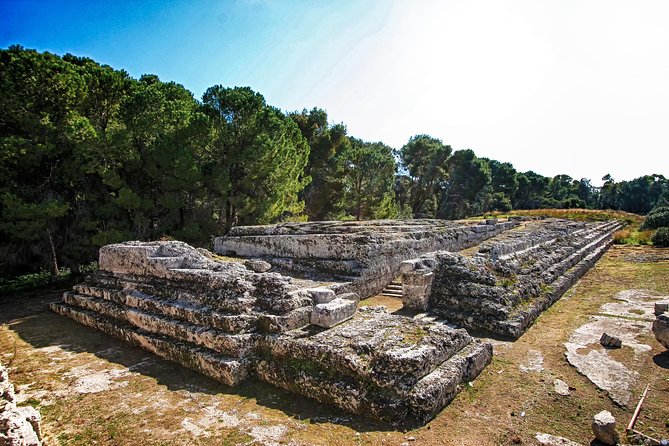
I would choose this tour if you want the ancient sites explained rather than simply photographed. It suits families, first-time visitors to Syracuse, and anyone who likes to ask questions as they go.
It is also a strong choice if your group has different interests. One person can ask about Greek theater, another about Roman entertainment, and someone else can focus on the caves or architecture. A private guide can keep those threads together.
You might skip it if you are satisfied with a quick independent look, already have strong archaeological knowledge, or are mainly visiting to see the Greek Theater uncovered. In summer, the temporary seating is a real consideration, not a minor footnote.
The tour can also work well as part of a larger Syracuse day. One group paired the park with lunch and a separate visit to the archaeological museum, while another combined the park with a tour of downtown Ortigia. Those additional arrangements are not part of this activity, but they show how the park can fit into a longer day focused on Syracuse’s ancient and historic core.
Should you book Ancient Syracuse?
Book it if you want a private, English-speaking guide to make sense of a sprawling archaeological park. The best reasons are the personal attention, strong guide performance, and unusual stops such as the Ear of Dionysius and the ancient quarries.
Before paying, confirm three things: the exact meeting point, the separate entrance fee, and whether temporary seating covers the Greek Theater during your visit. If those conditions suit you, this is a practical way to see Neapolis Park with more context and less guesswork.
FAQ
How long does the Ancient Syracuse tour last?
The activity is advertised as approximately 1 hour and 30 minutes. The detailed park schedule describes about two hours of sightseeing, so plan for a substantial walking visit.
Is the park entrance ticket included?
No. The standard tour does not include the Neapolis Archaeological Park entrance fee. A separate Tour + Ticket option may be available.
Where does the tour begin and end?
It begins at Largo Anfiteatro, 2, 96100 Siracusa SR, Italy, and ends back at the meeting point.
Is the tour private?
Yes. Only your group participates in the private walking tour.
What language is offered?
The tour is offered in English.
Can I choose the departure time?
Yes. Morning and afternoon departure times are available.
Is the Greek Theater always fully visible?
No. During the performance season, usually in spring and summer, temporary seating can cover the theater, leaving only part of it visible.
Just added around Sicily
- Zafferana Etnea:Honey extraction workshop and honey tasting★ 4.7 · 3 reviews
- From Trapani: Favignana and Levanzo Yacht Tour with Stops★ 5.0 · 4 reviews
- Mt Etna: Winter Trekking Tour with Optional Catania Transfer★ 4.7 · 13 reviews
- Wine tour with wine tasting★ 4.7 · 18 reviews
- Sicilian Soul: Winery Tour, Wine & Food Tasting in Catania★ 5.0 · 4 reviews
- Wine tasting in Catania Historic center★ 4.4 · 15 reviews
- Valley Of The Temples By E-Bike With Picnic Included★ 4.7 · 7 reviews
- Valley of the Temples and Villa Romana Multi-Language Tour★ 4.8 · 5 reviews
Syracuse Archaeological Park Tours, compared.
Group guided tour of the archaeological park of Neapolis
Read our review →
Private tour Syracuse -Archaeological Park and Ortigia with lunch
Read our review →Browse the lists this tour appears in