
Reviewed · SYRACUSE ARCHAEOLOGICAL PARK TOURS
Private tour Syracuse -Archaeological Park and Ortigia with lunch
Syracuse packs Greek theaters, Roman ruins, limestone churches, sea views, and one very generous Sicilian meal into a short private tour. The clever part is the pairing of Neapolis Archaeological Park with Ortigia, so you get both the ancient city and the elegant old island in one outing.
I like the personal attention and the way a guide such as Biagio or Paolo can add local color to places that might otherwise look like piles of old stone. I also like the lunch, which includes antipasti, pasta alla Norma, bread, olives, cheese, prosciutto, and wine. The main drawback is pace: four hours is tight, and the archaeological park plus Ortigia requires a fair amount of walking.
Key points to know before booking
- The Greek Theater and Ear of Dionysius come first: Neapolis gives you Syracuse’s grandest ancient sights, but the archaeological park admission of €16.50 per person is extra.
- Ortigia adds the city’s human scale: Expect Cathedral Square, the Apollo Temple, Arethusa Fountain, Archimedes Square, and the Jewish Quarter.
- You get a private guide and vehicle: Pickup and drop-off are offered at hotels or ports in Siracusa and Taormina.
- The lunch is a real part of the experience: Expect generous portions and traditional Sicilian dishes rather than a quick snack.
- Guide quality shapes the day: Biagio, Paolo, Corrado, Marco, and Matilda have all led this experience, with especially strong praise for local history and friendly conversation.
- Plan for a brisk half-day: The tour lasts about four hours, requires at least two people, and suits visitors who want a broad first look rather than a slow museum-style visit.
Why this pairing works so well in Syracuse
Syracuse is not one tidy sight with a few side streets around it. Its most important places are spread between the mainland archaeological zone and Ortigia, the small island at the historic center. Seeing both on your own in a short visit can mean working out transport, finding parking, and guessing which ruins deserve your time.
This tour handles that connection for you. A private driver-guide picks you up at your hotel or port in Siracusa or Taormina, then takes you to Neapolis Archaeological Park. After the ancient monuments, you move to Ortigia for a walking tour and lunch.
I find that arrangement particularly useful if you have only one morning or afternoon in Syracuse. You get a clear outline of the city without spending half your time on maps and logistics. The tradeoff is that this is an introduction, not a slow archaeological study. If you want to sit among the ruins or linger inside every church, four hours will feel short.
The experience is offered in English and is private, so the guide can adjust explanations and walking speed to your group. That matters more here than it might on a standard bus tour. The site includes theatrical ruins, caves, quarries, fountains, churches, and city squares, all of which benefit from some explanation.
More visits to the Neapolis park:
- Syracuse: Neapolis Archaeological Park Small Group Tour
★ 4.7 · 350 reviews - Syracuse: Ortigia and Neapolis Guided Walking Tour
★ 4.7 · 205 reviews - Syracuse: Neapolis and Greek Theater guided tour
★ 4.5 · 160 reviews
Neapolis Archaeological Park: theater, quarries, and echoes
The first major stop is Neapolis Archaeological Park, a UNESCO World Heritage site and one of Italy’s most important archaeological areas. Its collection is broad enough to give you a quick lesson in Syracuse’s Greek and Roman past.
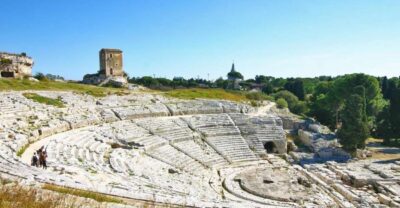
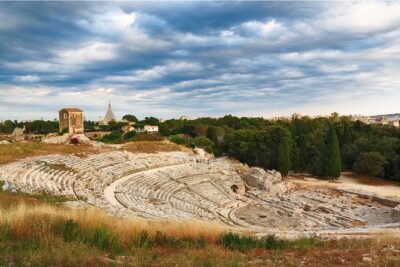
The Greek Theater is the park’s star attraction. It is described as the largest Greek theater in Sicily, and its scale helps you picture Syracuse as a major ancient power rather than a minor provincial settlement. Your guide can explain how the theater was built and used, which makes the curved stone seating and stage area easier to understand.
Next comes the Ear of Dionysius, a tall cave cut into the rock. Its unusual shape is famous for its acoustics. Guides often demonstrate the echo, and Biagio is especially associated with singing in the cave, using the chamber’s sound to amusing effect. It is a small moment, but it gives the visit some personality after the formal history of the theater.
The park also includes the Altar of Hieron, the ancient Greek quarries known as the Latomie, and a Roman amphitheater. Each site tells a different part of Syracuse’s story. The quarries show how the rock itself became part of the city’s economy and construction. The Roman amphitheater shifts the focus to a later period, when Roman engineering and public entertainment shaped the site.
You will also see the Nympheum fountain and panoramic views from the top of the hill. The view helps connect the ruins to the modern city. It is worth pausing here, especially if the weather is clear, since the park can otherwise feel like a sequence of disconnected monuments.
The practical point is that the park is not just a quick photo stop. It involves walking between large open areas and ancient structures. Good shoes and water make sense, though the supplied information does not give a precise route or accessibility plan. Most people can participate, and service animals are allowed, but anyone who finds uneven ground difficult should ask the provider about current conditions before booking.
The €16.50 admission fee is not included. At $468.55 per person, the price is high for a four-hour tour, but it covers a private vehicle, a driver-guide, a professional guide, hotel or port pickup and drop-off, the walking tour, and lunch. The extra park ticket is a small but important addition to your budget.
Ortigia: Syracuse in limestone and sunlight
After Neapolis, the tour continues to Ortigia. This is where Syracuse feels less like an open-air archaeological site and more like a living city. Streets lead to churches, fountains, small squares, and buildings made from bright local limestone.
The route includes the Greek Temple of Apollo, one of the island’s oldest major monuments. Its weathered columns offer a useful transition from the wide archaeological park to the tighter streets of Ortigia. The site also shows how the island has been built and rebuilt across different eras.
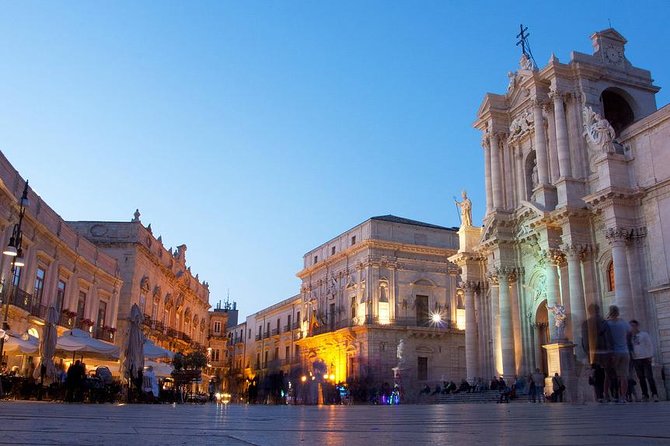
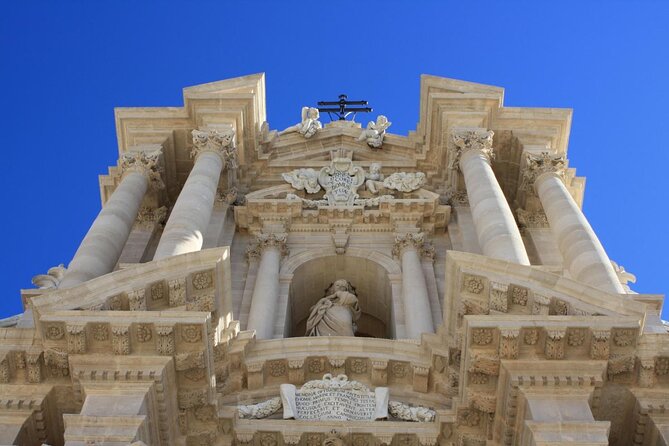
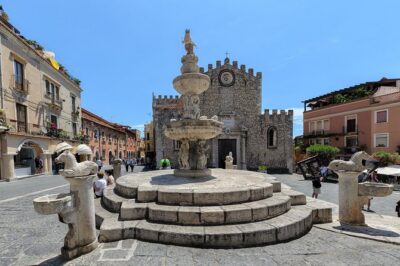
Then comes Cathedral Square, the stop specifically identified in the itinerary. The square is framed by pale limestone buildings, including Syracuse Cathedral, Palazzo Beneventano, and St. Lucy’s Church. The effect is theatrical without feeling artificial. Sunlight changes the color of the stone, and the open space gives you a chance to look up at the facades instead of rushing from doorway to doorway.
The cathedral itself occupies the former site of a Greek temple, an important reminder that Syracuse’s layers are not neatly separated. Ancient foundations, later religious buildings, and modern city life share the same streets. A private guide can point out those links as you walk, which is more useful than simply collecting names.
The tour also includes the Arethusa Fountain, the Jewish Quarter, Archimedes Square, and the Fountain of Diana. Arethusa is tied to Syracuse mythology and gives the guide a natural opening to explain the city’s Greek legends. The Jewish Quarter adds another cultural layer, while the two fountains make good visual markers during a walking route.
Paolo has been described as taking visitors all the way to the lower tip of the island, where the natural spring and castle area come into view. The exact walking route may vary, but this gives you an idea of how much ground the tour can cover. You are not simply being driven past Ortigia. You are expected to walk through it.
That walking focus is one of the tour’s strengths, but it is also where the time pressure appears. If you stop for every architectural detail, you may not see every listed landmark. One person who found the tour disappointing felt that the guide moved too slowly and left out key sights. That is a useful warning: tell your guide early if certain monuments matter most to you.
Lunch with pasta alla Norma and local wine
The meal is not an afterthought. The included traditional lunch features antipasti such as prosciutto, cheese, olives, and homemade bread, followed by pasta alla Norma and wine. Pasta alla Norma, with eggplant and tomato, is one of Sicily’s best-known comfort dishes and a fitting choice after a morning of ruins and city streets.
Portions have been described as generous, so arrive hungry. This is not the kind of lunch where you nibble on one small plate and continue immediately. The restaurant can be a popular local place, and one named restaurant connected with the experience is Tempio di Athena. Another food and wine version has taken place at Jobi, with local sparkling, white, and red wines plus several Sicilian specialties.
The exact restaurant and meal format may depend on the booking option and the day. The core tour includes a traditional lunch, while the description also offers an upgrade for wine and local food tasting. Confirm which version you are choosing before paying, especially if the wine experience is a priority.
I like the meal because it adds something you cannot get from a ruin alone. Syracuse becomes more than ancient stones and church facades when you sit down to eat food associated with the island. It also gives you time to ask the guide about Sicily, local customs, and the places you have just seen.
The lunch can extend the social side of the tour, too. The private format means the guide is focused on your group, and the restaurant arrangement can feel more personal than a stop at a generic tourist cafe. Still, anyone with dietary restrictions should contact the provider in advance. The supplied details list the dishes but do not promise specific substitutions.
A few more Syracuse days worth weighing up
- Syracuse: Boat Trip with Lunch, Wine, and Swimming Stops
★ 4.6 · 85 reviews - From Syracuse: Etna Tour with Light Lunch and Wine Tasting
★ 4.8 · 25 reviews - Syracuse Private Walking Tour with Traditional Lunch and Wine
★ 5.0 · 24 reviews - From Taormina: Syracuse Tour with lunch in Food Market
★ 4.9 · 12 reviews
Guides who make the difference
The tour has been led by several guides, including Biagio, Paolo, Corrado, Marco, and Matilda. The strongest accounts single out the guides’ warmth, strong English, local knowledge, sense of humor, and ability to connect architecture with history and myth.
Biagio is associated with a lively presentation at the Ear of Dionysius, including songs in Italian, French, and Spanish. He is also described as a lifelong inhabitant of Ortigia who can point out less obvious corners of the island. If he is assigned to your tour, asking about the cave’s acoustics or local stories may bring out the most memorable parts of the visit.
Paolo has been praised for handling both the driving and walking portions well, arranging lunch, and explaining historical details along the streets of Ortigia. Corrado has been a good fit for older groups, with a pleasant manner and a route that combines archaeology, food, shopping, and transport. Marco’s interest in history has made him a strong choice for groups that enjoy asking many questions.
That said, you should not assume every guide will deliver the same style. One poor experience described a guide who walked too slowly, offered limited explanations, and could not answer questions well. The overall rating is 4.9 from 28 ratings, with 96 percent recommending the experience, but that one negative account matters because the guide is central to the value.
When booking, share your interests. Tell the provider if you want archaeology, mythology, architecture, food, or a faster route. If you are traveling with people aged 61 to 74, as one group did, mention mobility needs and ask for a realistic walking plan. The private format gives you a better chance of shaping the day.
Price, pace, and practical value
At $468.55 per person, this is a premium half-day outing. The cost makes the most sense for two or more people who value door-to-door transport, a private guide, and a meal rather than trying to assemble the same pieces independently.
You are paying for more than admission to the park. The package includes pickup and drop-off, a private vehicle, a driver-guide, a professional guide, the Ortigia walk, and traditional lunch. The archaeological park ticket, €16.50 per person, is extra. The private setup can also save time if you are staying in Taormina or arriving at a port.
The four-hour duration is efficient but demanding. You will see a lot, yet you will not have unlimited time at each stop. I would book it if your goal is to understand the shape of Syracuse in one well-organized outing. I would not book it if you want a leisurely day devoted only to archaeology.
The tour requires at least two people per booking. It is a private activity, so only your group participates. Confirmation is received at booking, mobile tickets are offered, and cancellation is free up to 24 hours before the start time. Cancellations or changes made within 24 hours are not refunded or accepted.
Pickup is offered from a hotel or port in Siracusa or Taormina. Since Taormina is some distance from Syracuse, confirm the pickup details and timing carefully before booking. The provider is Prestelli Sicily Tours.
Who should book this Syracuse tour?
I would recommend this experience to first-time visitors who have limited time and want a guided introduction to both major sides of Syracuse. It is also a good fit for couples, families, and small groups who prefer a private vehicle and do not want to manage the route themselves.
History fans will appreciate the Greek Theater, quarries, Roman amphitheater, and temple remains. Food-focused visitors will enjoy the long lunch and the possible wine tasting. Anyone who likes local stories should ask for the cave demonstration and Ortigia anecdotes.
I would be more cautious if you have limited mobility, dislike walking, or prefer a slow pace. The tour covers a large amount of ground in four hours, and the archaeological park admission is extra. It is also expensive if you only want transportation or a quick look at one sight.
Book it if you want a well-rounded Syracuse sampler with personal guiding and a proper Sicilian meal. Skip it in favor of a slower, site-specific visit if you already know the city or want to spend most of your day inside the archaeological park.
FAQ
How long does the Syracuse and Ortigia tour last?
The tour lasts approximately four hours. It includes Neapolis Archaeological Park, a walking tour of Ortigia, and a traditional lunch.
Where can pickup take place?
Pickup and drop-off are offered at your hotel or port in Siracusa or Taormina.
Is this a private tour?
Yes. Only your group participates, and a minimum of two people is required per booking.
Is lunch included?
Yes. The tour includes a traditional lunch with antipasti such as prosciutto, cheese, olives, and homemade bread, followed by pasta alla Norma and wine.
Is the archaeological park admission included?
No. Admission costs €16.50 per person and must be paid separately.
Is a wine and local food tasting available?
The experience offers an upgrade with wine and local food tasting. Confirm the selected option when booking, since the standard description lists a traditional lunch while the tasting is presented as an upgrade.
Is the tour offered in English?
Yes. The experience is offered in English.
What is the cancellation policy?
You can cancel up to 24 hours before the start time for a full refund. Cancellations or changes made less than 24 hours in advance are not accepted or refunded.
Just added around Syracuse
- Etna and Taormina tour from Syracuse with private driver★ 4.5 · 9 reviews
- Vendicari – Sicily’s best coast nature reserve ( Birdwatching & Archeology )★ 5.0 · 8 reviews
- Tour of Montalbano★ 4.5 · 7 reviews
- Etna tour from Syracuse with private driver★ 5.0 · 4 reviews
- Noto, Portopalo and Marzamemi tour from Syracuse with private driver★ 4.5 · 10 reviews
- Siracusa Walking Tour with Audio and Written Guide by a Local★ 5.0 · 59 reviews
- Syracuse Private Shore Excursion: Archaeological Park and Ortigia★ 5.0 · 5 reviews
- Syracuse Scavenger Hunt & Highlights Self Guided Audio Tour★ 4.5 · 4 reviews
Syracuse Archaeological Park Tours, compared.
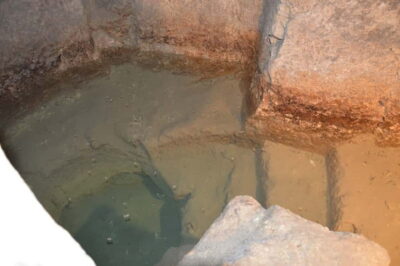
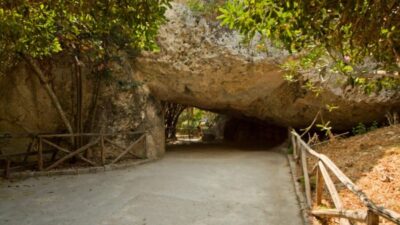
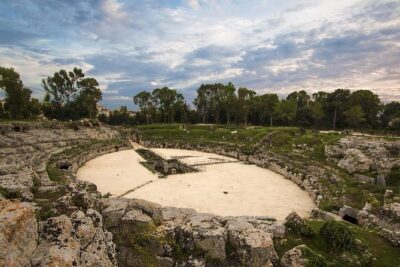
Ancient Syracuse: private guided tour of the Neapolis archaeological park
Read our review →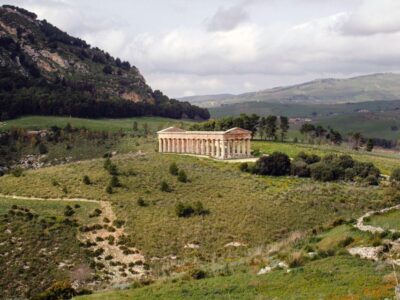
Group guided tour of the archaeological park of Neapolis
Read our review →Browse the lists this tour appears in